
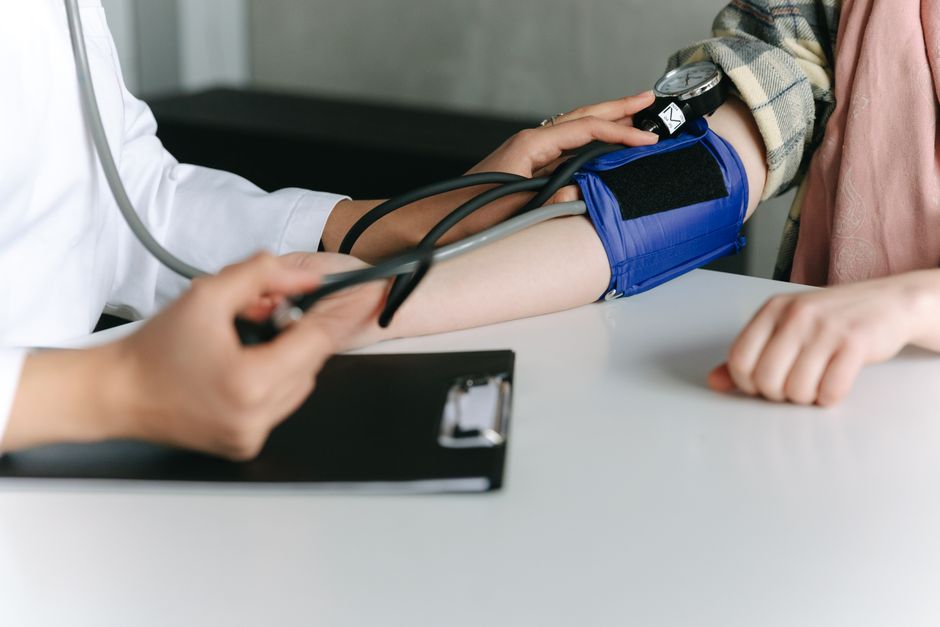
The highest blood pressure ever recorded in a medical journal was 370/360 mmHg. This extreme reading was documented in a 1988 case report in the Journal of the American Medical Association. The patient was a 42-year-old man who survived the episode without any lasting organ damage, which stunned the medical team treating him.
To put that number in perspective, a normal blood pressure reading is around 120/80 mmHg. A reading of 180/120 mmHg or higher is considered a hypertensive crisis and requires immediate medical attention. The 370/360 reading is more than three times the upper limit of a normal systolic pressure.
What Do the Numbers in a Blood Pressure Reading Mean?
Blood pressure is recorded as two numbers. The top number is the systolic pressure. This measures the force of blood against your artery walls when your heart beats and pumps blood out. The bottom number is the diastolic pressure. This measures the pressure in your arteries when your heart rests between beats.
A reading of 370/360 means both numbers were dangerously elevated. The systolic pressure was nearly four times the normal resting value. The diastolic pressure of 360 mmHg is especially alarming because this number typically stays much lower than the systolic number.
In healthy adults, the diastolic pressure usually stays below 80 mmHg. A diastolic reading above 120 mmHg is already considered a medical emergency. A diastolic pressure of 360 mmHg suggests the arteries were under massive constant pressure, even when the heart was relaxing between beats.
How Did the Patient Survive Such an Extreme Reading?
The 1988 case report describes a 42-year-old man who arrived at a hospital emergency department with a blood pressure of 370/360. He had no symptoms of a stroke, heart attack, or kidney failure at the time of the reading. The medical team initially thought the reading was a measurement error and repeated it several times to confirm the number was real.
The patient had a history of severe untreated hypertension. He had stopped taking his blood pressure medication months before this hospital visit. His body had gradually adapted to the extremely high pressures over time, which likely explains why he did not experience immediate organ failure.
This case is extraordinarily rare. Most people with a blood pressure above 200/120 mmHg experience severe symptoms such as chest pain, shortness of breath, vision changes, or neurological deficits. Surviving a reading above 300 mmHg without immediate complications is highly unusual and not something medical guidelines are built around.
What Is Considered a Dangerous Blood Pressure Level?
Blood pressure categories are well established by clinical guidelines. A normal reading is below 120/80 mmHg. Elevated blood pressure ranges from 120-129 systolic with a diastolic below 80. Stage 1 hypertension starts at 130/80 mmHg. Stage 2 hypertension begins at 140/90 mmHg.
A reading of 180/120 mmHg or higher is classified as a hypertensive crisis. This is a medical emergency that requires immediate treatment, even if you feel fine. At this level, the risk of stroke, heart attack, kidney damage, and aortic dissection rises sharply.
Most people who experience a hypertensive crisis have symptoms. These can include severe headache, chest pain, shortness of breath, nosebleeds, severe anxiety, or vision problems. Some people, however, have no symptoms at all despite dangerously high readings. This is why regular blood pressure checks matter, especially if you have risk factors for hypertension.

What Causes Blood Pressure to Reach Extreme Levels?
Severely elevated blood pressure usually develops from untreated or poorly managed hypertension over many years. When blood pressure stays high for a long time, the arteries become stiffer and less flexible. The heart works harder to pump blood through these narrowed vessels, which drives the pressure even higher.
Certain medical conditions can cause sudden dangerous spikes in blood pressure. These include kidney disease, adrenal gland tumors, thyroid disorders, and preeclampsia in pregnant women. Some medications and illicit drugs can also push blood pressure to dangerous levels quickly.
In the 1988 case, the patient had stopped his antihypertensive medications. Suddenly stopping certain blood pressure drugs, particularly beta-blockers and clonidine, can cause a rebound effect where blood pressure surges well above baseline. This rebound hypertension can be severe and requires medical supervision.
Can a Home Blood Pressure Monitor Measure Readings This High?
Standard home blood pressure monitors are not designed to measure pressures above 250 mmHg. Most home devices will either display an error message or stop measuring if the pressure is extremely high. The 370/360 reading was taken with a hospital-grade sphygmomanometer, which is calibrated for a wider range.
If your home monitor gives you a reading above 180/120 mmHg, do not repeat the measurement multiple times to confirm it. The reading itself is enough to warrant immediate medical attention. Call emergency services or have someone drive you to the nearest emergency department.
Home monitors are useful for tracking trends over time, but they have limitations. Aneroid devices can lose calibration. Digital devices can give inaccurate readings if the cuff size is wrong or if you are not seated properly. If your home readings do not match your doctor’s office readings, bring your device to your next appointment to have it checked.
What Happens to the Body at Dangerously High Blood Pressure?
When blood pressure reaches crisis levels, the body’s organs are at immediate risk. The brain can swell, leading to a condition called hypertensive encephalopathy. This can cause confusion, seizures, and loss of consciousness. Blood vessels in the brain can rupture, causing a hemorrhagic stroke.
The heart faces acute strain at these pressures. The left ventricle must pump against enormous resistance, which can trigger a heart attack or acute heart failure. The aorta, the body’s largest artery, can develop a tear in its inner lining. This condition, called aortic dissection, is often fatal without emergency surgery.
The kidneys are also highly vulnerable. They rely on delicate filters that can be damaged by extreme pressure. Acute kidney injury can develop within hours of a hypertensive crisis. Permanent kidney damage requiring dialysis is a real risk if the pressure is not brought down quickly.
The eyes can show visible damage during a hypertensive crisis. The retina’s blood vessels can bleed or leak fluid, causing blurred vision or sudden vision loss. Doctors often look at the back of the eye during an emergency evaluation to assess how severe the blood pressure damage has been.
How Is an Extreme Blood Pressure Emergency Treated?
Treatment for a hypertensive crisis typically involves intravenous blood pressure medications in a hospital setting. The goal is to lower blood pressure gradually, not rapidly. Dropping the pressure too fast can reduce blood flow to the brain and other vital organs, causing more damage than the high pressure itself.
Doctors usually aim to reduce the systolic pressure by about 25% within the first hour. After that, they work toward a safer target over the following 24 to 48 hours. The specific medications used depend on the underlying cause and which organs are affected.
Oral medications may be used if the patient has no signs of organ damage. These take longer to work but are easier to manage. Patients with active organ damage, such as stroke or heart failure, typically need intravenous medications that can be adjusted minute by minute in an intensive care unit.
What Was The Highest Blood Pressure Ever Recorded in Other Cases?
The 370/360 reading from 1988 is the highest documented in peer-reviewed medical literature. Other case reports have documented readings in the 300/150 to 340/200 range, but none have surpassed the 370/360 figure in published medical journals.
It is possible that higher readings have occurred in patients who did not survive to have their blood pressure measured. Blood pressure can only be recorded if a patient reaches medical care and a healthcare provider measures it. Some extreme readings may go undocumented if a patient dies before arriving at a hospital.
Medical literature also contains reports of “pseudohypertension,” where blood pressure readings appear extremely high but the actual pressure inside the arteries is lower. This can happen in elderly patients with severely calcified arteries that resist compression from the blood pressure cuff. The 1988 case, however, was confirmed with intra-arterial monitoring, which measures pressure directly inside the artery.
Frequently Asked Questions
Can a blood pressure reading of 370/360 be a mistake?
Yes, extremely high readings should always be repeated to rule out measurement error. The 1988 case was confirmed with multiple readings and direct intra-arterial monitoring, so the number was verified as accurate.
What is the highest blood pressure that is survivable?
There is no established survivable threshold because individual tolerance varies greatly. The documented 370/360 case survived, but most people would experience severe organ damage or death at pressures above 250 mmHg.
At what blood pressure should I go to the hospital?
Any reading of 180/120 mmHg or higher requires immediate emergency medical attention, even if you feel completely normal. Do not wait to see if symptoms develop before seeking care.
Can stress cause blood pressure to reach 200 or higher?
Acute stress can cause temporary spikes in blood pressure, but readings above 200 mmHg usually indicate underlying hypertension or another medical condition. If you get a reading this high, seek medical evaluation rather than assuming it is just stress.
