
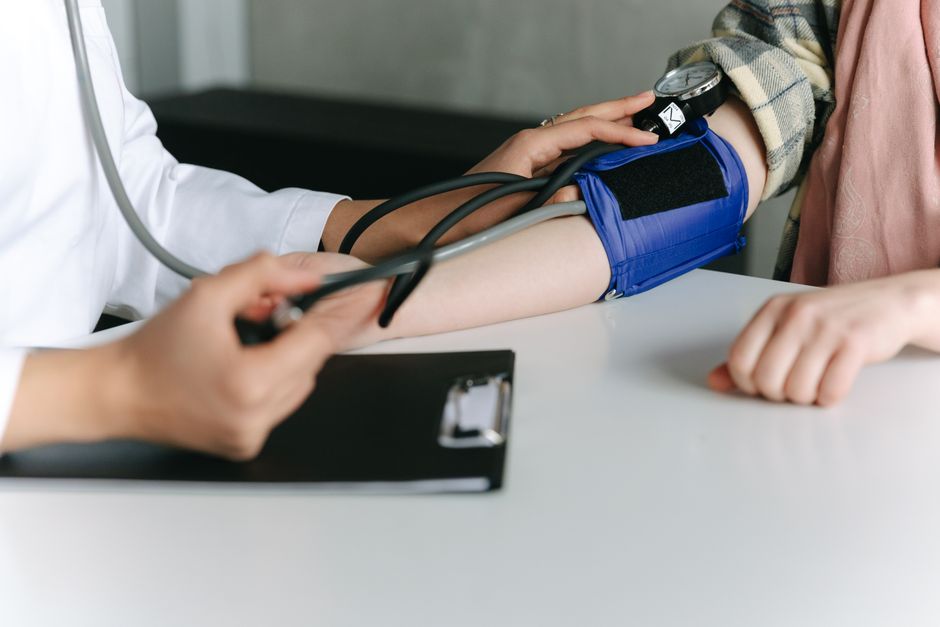
A blood pressure reading of 122/88 mmHg is not considered “good” blood pressure. According to the American College of Cardiology and the American Heart Association guidelines, this reading falls into the Stage 1 hypertension category. The systolic number (122) is normal, but the diastolic number (88) is elevated above the normal threshold of 80. This combination places you in a range where lifestyle changes are typically recommended, and in some cases, a doctor may consider medication depending on your overall cardiovascular risk.
Is 122 88 Good Blood Pressure Or Stage 1 Hypertension?
122/88 is Stage 1 hypertension. The guidelines are clear on this point. Normal blood pressure is defined as a systolic reading below 120 and a diastolic reading below 80. Elevated blood pressure is systolic 120-129 with diastolic below 80. Stage 1 hypertension begins when systolic is 130-139 OR diastolic is 80-89. Your diastolic reading of 88 places you squarely in the Stage 1 range.
Many people focus only on the top number, but the bottom number matters just as much. Diastolic pressure measures the force of blood against your artery walls when your heart rests between beats. A consistently high diastolic reading indicates your arteries are under pressure even when your heart is relaxed. This is not a benign finding.
What Do the Numbers 122 and 88 Actually Mean?
Blood pressure is recorded as two numbers. The top number, systolic pressure, measures the force when your heart contracts and pumps blood out. The bottom number, diastolic pressure, measures the force when your heart relaxes and fills with blood.
A reading of 122 systolic is within the normal range. It is not a concern on its own. The diastolic reading of 88 is the problem. Normal diastolic pressure is below 80. Readings between 80 and 89 are classified as Stage 1 hypertension. This means your heart is working harder than it should between beats, and your blood vessels are experiencing excess pressure during the relaxation phase of your cardiac cycle.
This pattern — normal systolic with elevated diastolic — is more common in younger and middle-aged adults. It is sometimes called isolated diastolic hypertension. Research indicates this pattern still carries cardiovascular risk, although the long-term risk profile may differ slightly from elevated systolic pressure.
How Accurate Is a Single Reading of 122/88?
One reading does not confirm a diagnosis. Blood pressure naturally fluctuates throughout the day. Stress, physical activity, caffeine, a full bladder, or even the act of sitting in a doctor’s office can raise your numbers temporarily. This is known as white coat hypertension, and it affects up to 30% of people.
To confirm whether 122/88 represents your true baseline, guidelines recommend taking multiple readings over time. A doctor will typically measure your blood pressure on at least two separate occasions before making a diagnosis. Home monitoring is often recommended. The standard protocol is to sit quietly for five minutes, place the cuff on a bare arm at heart level, and take two readings one minute apart. Do this twice daily — morning and evening — for seven days. Your doctor will average these numbers to get a more accurate picture.
If you took this reading at home with a validated monitor, it is more likely to reflect your true resting pressure. If it came from a pharmacy kiosk or a wrist cuff, treat it with more skepticism. Those devices are frequently inaccurate.


What Are the Health Risks of 122/88?
A diastolic reading of 88 puts you in a category where cardiovascular risk begins to climb. The relationship between blood pressure and heart disease is continuous. There is no magic threshold where risk suddenly appears. Instead, risk rises steadily as blood pressure increases above optimal levels.
Untreated Stage 1 hypertension can lead to several complications over time. The heart muscle thickens as it works harder to pump against elevated pressure. This condition, called left ventricular hypertrophy, increases the risk of heart failure. The arteries themselves become stiffer and develop microscopic damage. This accelerates atherosclerosis, the buildup of plaque in artery walls. Over years, this raises the risk of heart attack and stroke.
The kidneys are also vulnerable. They rely on delicate blood vessels to filter waste from your blood. Sustained high pressure damages these vessels, leading to chronic kidney disease. The eyes can be affected too, with damage to the retina from prolonged hypertension.
These complications develop over years or decades. A single reading of 122/88 does not mean damage is happening right now. It means your trajectory needs correction to prevent future harm.
Do You Need Medication for 122/88?
Not necessarily. The decision to start medication depends on your overall cardiovascular risk, not just your blood pressure number. Current guidelines recommend lifestyle changes as the first step for Stage 1 hypertension. Medication is typically added if your blood pressure remains above 130/80 after several months of lifestyle modification, or if you have a high overall risk of cardiovascular disease.
High risk includes conditions like diabetes, chronic kidney disease, or a calculated 10-year risk of atherosclerotic cardiovascular disease above 10%. Your doctor can calculate this risk using your age, cholesterol levels, smoking status, and blood pressure. If you are otherwise healthy with no additional risk factors, lifestyle changes alone may be sufficient to bring your diastolic pressure below 80.
Some clinicians recommend medication for patients with confirmed diastolic readings consistently above 85, even without other risk factors. This is a clinical judgment call. The evidence base for treating isolated diastolic hypertension with medication is less robust than for systolic hypertension. Discuss your specific situation with your doctor.
What Lifestyle Changes Can Lower Diastolic Pressure?
Several well-established interventions can lower blood pressure. These are not speculative recommendations. Clinical trials have consistently demonstrated their effectiveness.
Reduce sodium intake. The average American consumes around 3,400 mg of sodium daily. The recommended limit for adults with hypertension is 1,500 mg per day. Reducing sodium by this amount can lower blood pressure by roughly 5-6 mmHg systolic and 2-3 mmHg diastolic. Most sodium comes from processed and restaurant foods, not the salt shaker.
Follow the DASH diet. The Dietary Approaches to Stop Hypertension eating plan emphasizes fruits, vegetables, whole grains, lean protein, and low-fat dairy. It is rich in potassium, calcium, and magnesium — minerals that help blood vessels relax. Studies show the DASH diet can lower systolic pressure by up to 11 mmHg in people with hypertension.
Increase physical activity. Aerobic exercise lowers blood pressure by improving blood vessel flexibility and reducing systemic vascular resistance. The recommendation is at least 150 minutes of moderate-intensity exercise per week. This could be brisk walking, cycling, or swimming. Regular exercise can lower systolic pressure by 5-8 mmHg.
Limit alcohol. Alcohol raises blood pressure. Men should have no more than two drinks per day. Women should have no more than one. Cutting back from heavy drinking can lower systolic pressure by several points.
Manage stress. Chronic stress activates the sympathetic nervous system, which raises blood pressure. Techniques like slow breathing, meditation, and adequate sleep can help. Poor sleep quality, especially sleep apnea, is a significant contributor to hypertension.
How Often Should You Monitor Your Blood Pressure?
If you have one reading of 122/88, do not panic. Take a few more readings over the coming days. Check at the same time each day, preferably in the morning before eating or taking medication. Sit quietly for five minutes first. Do not drink caffeine or exercise within 30 minutes of measuring.
Home monitoring gives your doctor valuable information that office readings cannot provide. It also helps you see how your lifestyle changes affect your numbers in real time. Keep a log of your readings and bring it to your next appointment. If your average home readings remain at or above 130/80, schedule a follow-up with your healthcare provider.
When Should You Seek Immediate Medical Care?
A single reading of 122/88 does not require emergency attention. However, you should seek immediate care if your blood pressure spikes above 180/120, especially if accompanied by chest pain, shortness of breath, vision changes, severe headache, or difficulty speaking. These symptoms may indicate a hypertensive crisis, a medical emergency.
Otherwise, schedule a routine appointment with your doctor to discuss your reading and develop a monitoring plan. Bring your home readings if you have them. Be prepared to discuss your diet, exercise habits, alcohol intake, and family history of heart disease. This information helps your doctor assess your overall risk and recommend appropriate next steps.
Frequently Asked Questions
Is 122/88 considered high blood pressure?
Yes, 122/88 is classified as Stage 1 hypertension under current guidelines. The diastolic number of 88 falls in the 80-89 range that defines this stage.
Can 122/88 go back to normal without medication?
Yes, lifestyle changes such as reducing sodium, following the DASH diet, increasing physical activity, and limiting alcohol can lower diastolic pressure. Many people achieve normal readings without medication.
Is diastolic hypertension as dangerous as systolic hypertension?
Elevated diastolic pressure carries cardiovascular risk, but the risk profile differs. Isolated diastolic hypertension is more common in younger adults, and research suggests it may carry lower overall risk than isolated systolic hypertension, which is more common in older adults.
How long does it take for lifestyle changes to lower blood pressure?
Some changes produce results within weeks. Reducing sodium can lower blood pressure within a few weeks, and regular exercise shows measurable effects within one to three months. Consistent adherence matters more than quick fixes.
