

A continuous blood pressure monitor tracks your blood pressure over 24 hours or longer, not just at a single moment. Unlike a standard cuff that gives one reading, these devices take measurements at set intervals throughout the day and night. Most use the same oscillometric method as a home cuff, but they are worn on the arm and programmed to inflate automatically. The result is a detailed picture of how your blood pressure changes during daily life, sleep, and stress.
How Does a Continuous Blood Pressure Monitor Work?
A continuous blood pressure monitor works by inflating a cuff on your upper arm at preset times, usually every 15 to 30 minutes during the day and every 30 to 60 minutes at night. The device detects the vibrations of blood moving through the artery as the cuff deflates. Those vibrations are converted into systolic and diastolic numbers using a standard algorithm. This is the same oscillometric technique used in most automated cuffs you buy at a pharmacy. The difference is timing and volume — the monitor collects dozens of readings instead of one.
The device stores every measurement with a timestamp. After 24 hours, a doctor or technician uploads the data to a computer and reviews the pattern. This is called ambulatory blood pressure monitoring, or ABPM. It is considered the most accurate way to diagnose high blood pressure outside a clinic setting.
What Is the Difference Between Continuous and Home Monitoring?
Home monitoring means you take your own blood pressure a few times a day with a standard cuff. You sit still, place the cuff on your arm, press a button, and record the number. That gives you snapshots. A continuous monitor removes the guesswork of timing and technique. It measures while you work, walk, eat, and sleep, capturing the natural fluctuations your body goes through.
Home readings are useful, but they only reflect the moment you take them. Blood pressure can spike during a stressful meeting or drop during deep sleep. A continuous monitor catches those changes. It also removes “white coat hypertension,” where anxiety in a doctor’s office pushes your numbers artificially high. Some people have the opposite problem, called masked hypertension, where clinic readings look normal but real-world readings are high. Continuous monitoring identifies both conditions.
Who Should Use a Continuous Blood Pressure Monitor?
Doctors typically order 24-hour monitoring when they need more information than a few office readings can provide. It is commonly used to confirm a new high blood pressure diagnosis before starting medication. It is also useful for people whose readings vary widely between visits or who do not respond to treatment as expected.
Pregnant women with suspected preeclampsia may be asked to use one to track dangerous spikes. People with symptoms like dizziness or fainting may wear a monitor to correlate blood pressure drops with symptoms. The American Heart Association and other major cardiology groups recognize ABPM as the best method for diagnosing hypertension outside a clinical setting. That said, it is not for everyone. The device can be uncomfortable, especially at night, and some people develop skin irritation under the cuff.

What Does the Data Show?
The monitor produces a 24-hour profile that shows your average blood pressure, your nighttime dip, and your morning surge. A healthy person’s blood pressure falls by 10 to 20 percent during sleep. This is called nocturnal dipping. People who do not dip, or who rise sharply in the early morning, may have a higher risk of heart events. The data also shows how quickly your blood pressure returns to baseline after stress or activity.
Doctors look at the average of all readings, not just the high ones. The nighttime average is especially important because it predicts cardiovascular risk better than daytime readings. If your nighttime average stays above 120/80 mmHg, that is a concern even if daytime numbers look fine. The monitor provides this information objectively, without relying on your memory or your stress level at a particular moment.
Are There Different Types of Continuous Monitors?
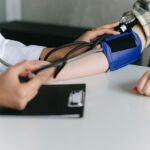
The most common type is the ambulatory cuff monitor worn on the upper arm. It is connected by a tube to a small recording device worn on a belt or strap. The cuff inflates on a programmed schedule, and the device stores the readings. This is the type used in clinical practice and research studies.
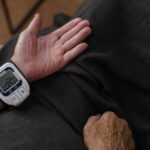
There are also wearable devices that claim to measure blood pressure continuously without a cuff. Some use sensors that estimate blood pressure from pulse wave velocity or optical signals. These are not yet accurate enough for medical decisions. The American Heart Association has stated that cuffless devices are not ready for clinical use. If you see a smartwatch or ring advertised as a blood pressure monitor, treat the numbers as estimates, not measurements. No large clinical trial has confirmed that these devices meet the accuracy standards required for diagnosis or treatment decisions.
What Are the Limitations of Continuous Monitoring?
Continuous monitoring is not truly continuous. The cuff must inflate and deflate each time, which takes about 30 seconds. Between readings, the device is idle. It cannot capture a single sudden spike that lasts only a few seconds. It captures a representative sample, not every heartbeat.
The device can also be disruptive. The cuff inflates at night, and the noise and pressure can wake you. That can affect your sleep and potentially alter the readings. Some people find the arm soreness and bruising uncomfortable. If you have very irregular heart rhythms, like atrial fibrillation, the oscillometric method may produce inaccurate readings. In those cases, a doctor may recommend a different approach.
The equipment is not something you buy over the counter for personal use. It is prescribed and fitted by a medical professional. The device must be calibrated and the data interpreted by someone trained to read the patterns. Using one on your own without clinical oversight would likely confuse rather than clarify your health picture.
How Do You Prepare for 24-Hour Monitoring?
You wear the device for a full day and night. The technician fits the cuff on your non-dominant arm, unless your doctor says otherwise. You keep a diary of your activities, symptoms, and sleep times. That diary helps the doctor match readings to what you were doing at that moment.
You should follow your normal routine as much as possible. Do not avoid exercise or stress just because you are wearing the monitor. The point is to capture real life. Avoid showering or swimming because the device is not waterproof. Keep the cuff arm still and relaxed at your side when it inflates. If the cuff slips or the tube kinks, the reading will fail and the device will try again later.
Frequently Asked Questions
Is a continuous blood pressure monitor the same as a home blood pressure cuff?
No. A home cuff gives one reading at a time. A continuous monitor is worn for 24 hours and takes readings automatically during the day and night.
Can I buy a continuous blood pressure monitor for home use?
These devices are typically prescribed by a doctor and fitted by a clinic. They are not standard consumer products, and the data requires professional interpretation.
Are smartwatches accurate for continuous blood pressure monitoring?
No. Cuffless wearable devices have not met the accuracy standards required for medical use. Treat their numbers as estimates, not reliable measurements.
Does wearing a continuous monitor hurt?
The cuff can be uncomfortable and may cause mild bruising or skin irritation. It also inflates at night, which can disrupt sleep for some people.
