
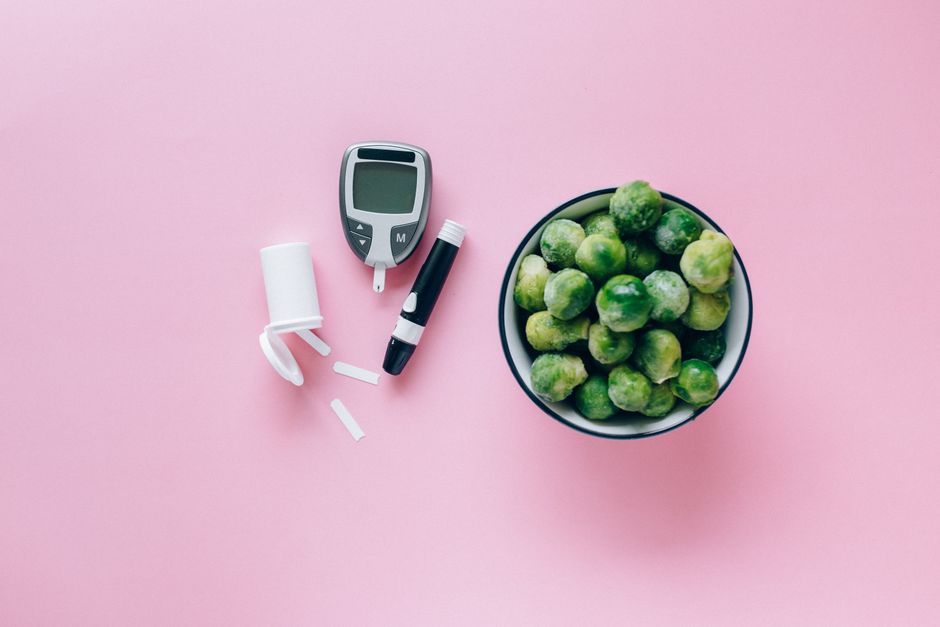
If you have diabetes or prediabetes, you have probably been told to eat more vegetables. That is good advice overall. But not all vegetables affect your blood sugar the same way. Some starchy vegetables can raise blood glucose as much as a slice of white bread. The vegetables that spike blood sugar most are starchy ones like potatoes, corn, peas, and winter squash. These vegetables have more carbohydrates per serving than non-starchy vegetables like spinach or broccoli. This guide explains which vegetables cause the biggest blood sugar increases and what you can do about it without giving up vegetables entirely.
What Vegetables Spike Blood Sugar Most?
The vegetables that cause the biggest blood sugar spikes are starchy vegetables. Starchy vegetables contain more digestible carbohydrates than non-starchy ones. Your body breaks these carbohydrates down into glucose quickly. This rapid digestion leads to a faster and higher rise in blood sugar.
Potatoes are at the top of this list. A medium baked potato has about 37 grams of carbohydrates. That is roughly the same as eating three slices of white bread. The way you cook potatoes also matters. Boiled potatoes have a lower glycemic index than baked or mashed potatoes. But all forms of potatoes raise blood sugar significantly compared to non-starchy vegetables.
Corn is another major contributor. A medium ear of corn has about 25 grams of carbohydrates. Corn is often considered a grain rather than a vegetable nutritionally. But many people eat it as a vegetable side dish. Peas also contain more carbohydrates than most green vegetables. A half-cup of peas has about 11 grams of carbs. This is higher than green beans or asparagus which have about 5 grams per half-cup.
Winter squashes like butternut, acorn, and pumpkin are starchy too. A cup of cooked butternut squash has about 22 grams of carbohydrates. Summer squash like zucchini has only 4 grams per cup. The difference is significant. Parsnips are another starchy root vegetable. A half-cup of parsnips has about 13 grams of carbs. They are not as common as potatoes but they can spike blood sugar just as much.
How Do Starchy Vegetables Compare to Non-Starchy Vegetables?
The difference between starchy and non-starchy vegetables comes down to carbohydrate density. Non-starchy vegetables like leafy greens, broccoli, cauliflower, bell peppers, and cucumbers have very few digestible carbohydrates. Most of their weight is water and fiber. A full cup of raw spinach has only 1 gram of carbohydrates. You would have to eat an enormous amount to significantly raise your blood sugar.
Starchy vegetables store energy as starch. Starch is a long chain of glucose molecules. When you eat starch, enzymes in your digestive tract break it down into individual glucose molecules. This glucose enters your bloodstream. The speed of this process depends on the vegetable’s fiber content and how it is prepared.
Current research suggests that the glycemic index of starchy vegetables varies widely. Parsnips have a glycemic index around 52 which is moderate. Potatoes range from 56 to 87 depending on the type and cooking method. Russet potatoes have a higher glycemic index than red or new potatoes. Sweet potatoes are often recommended as a healthier alternative. They do have more fiber and vitamin A than white potatoes. But a medium sweet potato still has about 24 grams of carbohydrates. It will raise blood sugar less than a white potato but more than broccoli.
Does Preparation Method Change Blood Sugar Impact?
Yes, how you cook a vegetable changes how much it spikes blood sugar. Cooking breaks down the cell walls of plants. This makes the starch inside more available for digestion. Raw vegetables generally cause a slower blood sugar rise than cooked ones. But most people do not eat raw potatoes or raw winter squash.
Boiling tends to produce the smallest blood sugar spike among cooking methods for starchy vegetables. Boiling leaches some starch into the water. It also keeps the vegetable structure more intact than mashing or pureeing. Mashed potatoes have a much higher glycemic impact than boiled whole potatoes. When you mash potatoes, you break down the starch granules into smaller pieces. Your digestive enzymes can attack them faster.
Roasting and baking concentrate the natural sugars in vegetables. Caramelization is a chemical reaction that creates new sugar compounds. Roasted butternut squash tastes sweeter than boiled butternut squash for this reason. It also raises blood sugar more. Frying adds fat which can slow digestion slightly. But the high heat also breaks down starch. French fries have a high glycemic index despite their fat content.
Cooling starchy vegetables after cooking changes their starch structure. This is called retrogradation. When starch cools, some of it becomes resistant starch. Resistant starch is not digested in the small intestine. It passes to the large intestine where gut bacteria ferment it. This process reduces the blood sugar spike. Potato salad made with cooled boiled potatoes has a lower glycemic impact than hot mashed potatoes. This is a real effect that research has confirmed. But the difference is modest. It does not make potato salad a low-carb food.





What Does the Research on Portion Size Show?
Portion size is the single most important factor for blood sugar control with starchy vegetables. A small serving of a starchy vegetable may be fine for most people. A large serving will spike blood sugar regardless of the vegetable type. The American Diabetes Association recommends that starchy vegetables take up no more than one-quarter of your plate.
Research shows that most people underestimate how many carbohydrates they get from vegetables. A typical serving of peas served in a restaurant might be one cup. That is about 22 grams of carbohydrates. If you add that to a meal with rice or bread, your total carbohydrate load becomes high. The same meal with green beans instead of peas would have about half the carbohydrate impact.
One study published in the journal Diabetes Care found that replacing starchy vegetables with non-starchy vegetables improved blood sugar control in people with type 2 diabetes. Participants who ate more non-starchy vegetables also lost more weight. The effect was not huge but it was consistent. Small changes in vegetable choices added up over time.
As of 2026, current dietary guidelines continue to recommend vegetables as part of a healthy diet. The key message has not changed: eat plenty of vegetables but be aware that starchy ones count as carbohydrates. If you take insulin or diabetes medication, you need to account for starchy vegetables in your carbohydrate counting. Many people forget to count the peas or corn they ate with dinner. This can lead to unexpected high blood sugar readings.
Can You Still Eat Starchy Vegetables If You Have Diabetes?
Yes, you can eat starchy vegetables even if you have diabetes. The goal is not to eliminate them entirely. The goal is to manage portions and balance them with other foods. Eating a small baked potato with a large serving of protein and non-starchy vegetables will cause a smaller blood sugar spike than eating the potato alone. Protein and fat slow down digestion. Fiber from non-starchy vegetables also helps blunt the blood sugar response.
Pairing starchy vegetables with vinegar or lemon juice may help. Some research suggests that acetic acid in vinegar reduces the glycemic response to starchy foods. A tablespoon of vinegar on a potato salad or roasted vegetables may lower the blood sugar spike by 20 to 30 percent. The effect is not strong enough to rely on if you eat a large portion. But it is a useful strategy when used consistently.
The timing of when you eat starchy vegetables also matters. Eating them earlier in the day gives your body more time to process the glucose. Eating a large serving of starchy vegetables late at night can lead to higher morning blood sugar. This is partly due to natural circadian rhythms in insulin sensitivity. Your body handles carbohydrates better earlier in the day.
Some people report that they can tolerate small amounts of starchy vegetables without blood sugar spikes. Others cannot. Individual responses vary widely. Continuous glucose monitors have shown that two people eating the same meal can have very different blood sugar responses. The only way to know how a specific vegetable affects you is to test your blood sugar before and after eating it. This is practical advice that many diabetes educators give.
Common Misconceptions About Vegetables and Blood Sugar
A common myth is that all vegetables are safe to eat in unlimited amounts. This is not true for starchy vegetables. Eating a large bowl of corn or potato salad will raise blood sugar just like eating a bowl of rice or pasta. Vegetables are not automatically low in carbohydrates just because they come from the ground.
Another misconception is that vegetable juice is a healthy choice for blood sugar. Juicing removes most of the fiber from vegetables. Fiber is what slows down carbohydrate digestion. Carrot juice, beet juice, and even green juices made with fruit can spike blood sugar quickly. A glass of carrot juice has about 22 grams of carbohydrates and almost no fiber. Eating whole carrots is better because the fiber remains intact.
Some people believe that frozen or canned vegetables have less impact on blood sugar than fresh ones. This is not generally true. Frozen vegetables are picked at peak ripeness and flash frozen. Their carbohydrate content is the same as fresh. Canned vegetables may have added sugar or salt. Always check the label. Canned peas and corn often have added sugar. Canned pumpkin is usually fine as long as it is not sweetened pie filling.
There is also a belief that sweet potatoes are a low-carb food. They are lower in carbohydrates than white potatoes but not by much. A medium sweet potato has about 24 grams of carbs. A medium white potato has about 37 grams. The difference is real but modest. Sweet potatoes do have more fiber and beta-carotene. They are a healthier choice overall. But they are not a free food for blood sugar control.
Practical Tips for Managing Blood Sugar with Vegetables
Here are straightforward strategies that work based on current evidence:
- Fill half your plate with non-starchy vegetables like leafy greens, broccoli, cauliflower, bell peppers, and cucumbers.
- Keep starchy vegetables to one-quarter of your plate or less. Measure with your eye or a measuring cup until you get a sense of portion sizes.
- Eat starchy vegetables with protein and healthy fat. Chicken, fish, eggs, tofu, olive oil, or avocado all help slow digestion.
- Choose whole vegetables over processed forms. Whole corn on the cob is better than creamed corn. Whole potatoes are better than french fries or potato chips.
- Test your blood sugar one to two hours after eating a new vegetable to see how your body responds. Keep a simple log for a week.
- Consider resistant starch. Cook and cool potatoes, rice, or beans before eating them. The cooling process increases resistant starch content.
- Do not drink your vegetables. Eat them whole to get the full benefit of fiber and slower digestion.
One non-obvious insight is that the order in which you eat your food matters. Eating protein and vegetables first, then carbohydrates last, can lower the blood sugar spike from a meal. This is called meal sequencing. A small study found that eating vegetables and protein before carbohydrates reduced post-meal blood sugar by about 30 percent. The effect is consistent across multiple studies. It costs nothing to try. Start your meal with a salad or steamed broccoli. Eat your potato or corn last.
The bottom line is straightforward. Starchy vegetables spike blood sugar because they contain more digestible carbohydrates. Potatoes, corn, peas, and winter squash are the biggest offenders. But you do not need to avoid them completely. Control portions. Pair them with protein and fat. Choose cooking methods that preserve fiber. And test your own blood sugar to learn what works for your body. Vegetables are still some of the healthiest foods you can eat. The key is knowing which ones to treat as carbohydrates and which ones you can eat more freely.
Frequently Asked Questions
Are carrots bad for blood sugar?
Cooked carrots have a moderate glycemic index around 47. A half-cup serving has about 6 grams of carbohydrates. They are not a major concern for most people when eaten in normal portions.
Can I eat unlimited non-starchy vegetables?
Non-starchy vegetables like spinach, kale, broccoli, and cucumbers have very few digestible carbohydrates. Most people can eat generous portions without significant blood sugar impact.
Do frozen vegetables spike blood sugar more than fresh?
Frozen vegetables have the same carbohydrate content as fresh ones. The freezing process does not change their starch content. Check labels for added sauces or seasonings.
Is sweet potato better than white potato for blood sugar?
Sweet potatoes have slightly fewer carbohydrates and more fiber than white potatoes. They cause a lower blood sugar spike but are still a starchy vegetable that needs portion control.
