
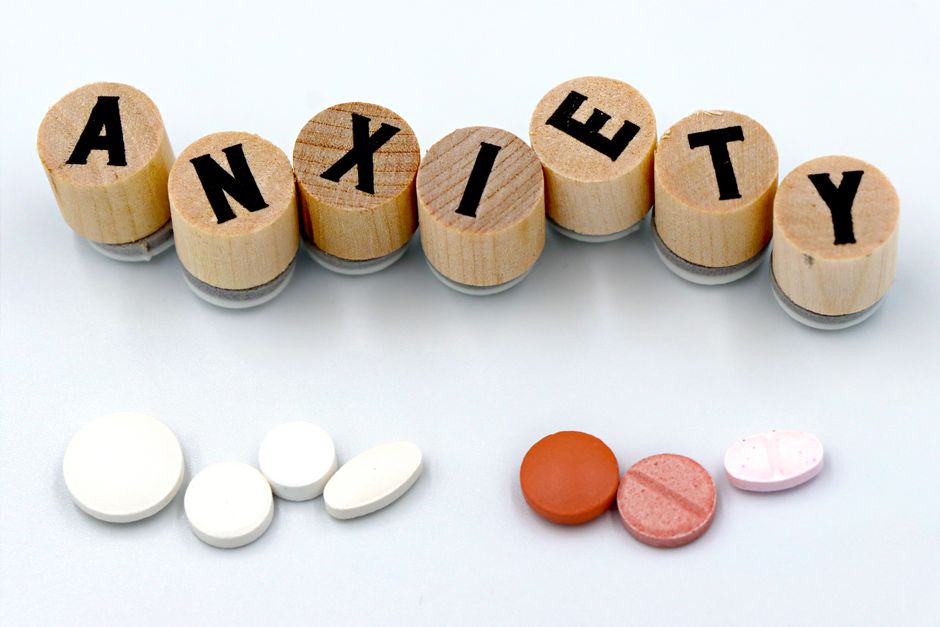
Experiencing an anxiety attack can feel overwhelming, and knowing what to take for it depends on whether you need immediate relief or long-term management. For sudden, acute symptoms, fast-acting prescription medications like benzodiazepines are the most effective option, but they require a doctor’s prescription. Over-the-counter (OTC) options like antihistamines or supplements are available without a prescription, but they are generally less potent and work differently than prescription medications. The best choice depends on the severity and frequency of your symptoms, and your doctor can help you decide what fits your situation.
What Are the OTC Options for Anxiety Attacks?
Over-the-counter options for anxiety are limited, and none are approved by the FDA specifically to treat anxiety attacks. However, some products are used off-label because they have calming effects.
Antihistamines like diphenhydramine (Benadryl) and hydroxyzine (Vistaril) are the most common OTC medications used for acute anxiety. Hydroxyzine is actually a prescription antihistamine, but it is often prescribed for anxiety. Diphenhydramine can cause drowsiness, which may help you sleep, but it does not target the root of the anxiety. The sedative effect is a side effect, not a true anti-anxiety effect.
Supplements and herbal remedies are also marketed for anxiety. Some studies suggest that kava may reduce anxiety symptoms, but it carries a risk of liver damage. L-theanine, an amino acid found in green tea, has shown modest calming effects in some small studies, but the evidence is not strong enough for a clinical recommendation. Valerian root and passionflower are also used, but their effectiveness for acute panic symptoms is not well-established.
The honest position is that OTC options are unlikely to stop an active anxiety attack. They may take the edge off or help you rest afterward, but they are not fast-acting enough to interrupt the intense symptoms of a panic episode. No OTC product has been proven to be as effective as prescription medication for acute anxiety.
What Are the Prescription Options for Anxiety Attacks?
Prescription medications are the primary tools for managing anxiety attacks, and they fall into two main categories: fast-acting and long-term.
Fast-acting medications are used for immediate relief. Benzodiazepines like alprazolam (Xanax), lorazepam (Ativan), and clonazepam (Klonopin) work by enhancing the effect of GABA, a neurotransmitter that slows down brain activity. They can reduce panic symptoms within 15 to 30 minutes. These medications are highly effective, but they carry a risk of dependence and tolerance, so they are typically prescribed for short-term or occasional use.
Long-term medications are taken daily to prevent anxiety attacks from happening in the first place. Selective serotonin reuptake inhibitors (SSRIs) like sertraline (Zoloft) and escitalopram (Lexapro) are the first-line treatment for anxiety disorders. They take four to six weeks to reach full effect, so they do not help during an active attack. Serotonin-norepinephrine reuptake inhibitors (SNRIs) like venlafaxine (Effexor) are also used for this purpose.
Beta-blockers like propranolol are sometimes prescribed for performance anxiety or situational panic. They block the physical symptoms of anxiety, such as a racing heart and trembling, but they do not address the psychological feeling of fear.
Your doctor may also prescribe hydroxyzine as an alternative to benzodiazepines. It is an antihistamine that has sedative properties and is sometimes used for acute anxiety because it has a lower risk of dependence.
How Do You Choose Between OTC and Prescription?
The choice between OTC and prescription options depends on how often you have anxiety attacks and how severe they are. If you experience a panic attack once a month and it passes quickly, an OTC option like an antihistamine might help you calm down afterward. But if your attacks interfere with work, school, or relationships, prescription medication is likely a better fit.
Your medical history matters too. Benzodiazepines are not recommended for people with a history of substance use disorder because of the risk of dependence. SSRIs may not be suitable for people with certain heart conditions or during pregnancy. Your doctor will review your history and current medications to avoid dangerous interactions.
It is also important to distinguish between an anxiety attack and a panic attack. An anxiety attack is often a response to a specific stressor and builds gradually. A panic attack comes on suddenly and peaks within minutes, often with physical symptoms like chest pain and shortness of breath. If you have sudden, intense episodes, you should see a doctor to rule out other conditions, including heart problems.

What Are the Risks and Side Effects?
Every medication for anxiety comes with risks, and you should understand them before starting any treatment.
Benzodiazepines can cause drowsiness, confusion, and impaired coordination. They can also lead to physical dependence even when taken as prescribed. Stopping them abruptly can cause withdrawal symptoms, including rebound anxiety, insomnia, and in severe cases, seizures. These medications are typically recommended for short-term use only.
SSRIs and SNRIs can cause nausea, insomnia, sexual dysfunction, and weight changes in the first few weeks. Some people experience an initial increase in anxiety before the medication starts working. They are not habit-forming, but they can cause discontinuation syndrome if stopped suddenly, which includes dizziness, fatigue, and flu-like symptoms.
Antihistamines can cause dry mouth, blurred vision, and drowsiness. Long-term use of diphenhydramine has been linked to an increased risk of dementia in some studies, though the evidence is not conclusive. They are generally considered safe for short-term use.
Herbal supplements are not regulated by the FDA, so their potency and purity can vary widely. Kava, in particular, has been associated with severe liver toxicity in rare cases. If you choose to try a supplement, tell your doctor so they can check for interactions with your other medications.
What Should You Do During an Anxiety Attack?
Medication is not the only tool for managing an anxiety attack. Non-drug strategies can help you cope with symptoms while you wait for medication to take effect or if you prefer not to take medication.
Grounding techniques can help shift your focus away from the panic. The 5-4-3-2-1 method involves naming five things you can see, four you can touch, three you can hear, two you can smell, and one you can taste. This forces your brain to process sensory information instead of the fear.
Controlled breathing can counteract the hyperventilation that often accompanies panic attacks. Try breathing in for a count of four, holding for four, and exhaling for six. This longer exhale activates the parasympathetic nervous system, which helps calm the body.
Physical movement can help burn off adrenaline. A brisk walk or stretching can reduce the intensity of physical symptoms. Cold water on your face or wrists can also trigger the dive reflex, which slows your heart rate.
These strategies do not replace professional treatment, but they can give you a sense of control during an episode. If you have frequent attacks, a therapist can teach you cognitive behavioral therapy (CBT), which is the most effective non-drug treatment for panic disorder.
When Should You See a Doctor?
You should see a doctor if your anxiety attacks are frequent, severe, or getting worse. You should also seek medical help if you have chest pain, shortness of breath, or dizziness that does not resolve, because these symptoms can mimic a heart attack.
A single panic attack does not mean you have panic disorder. Many people experience one or two attacks in their lifetime without needing treatment. But if you are avoiding places or situations because you fear an attack, or if you worry constantly about having another one, that is a sign you need professional support.
Your doctor can perform a physical exam, run blood tests, and review your symptoms to rule out underlying conditions like thyroid disease or heart arrhythmias. They can also refer you to a psychiatrist or therapist for a comprehensive treatment plan.
Frequently Asked Questions
What is the fastest way to stop an anxiety attack?
Fast-acting prescription benzodiazepines like alprazolam or lorazepam are the fastest way to stop an acute anxiety attack. They work within 15 to 30 minutes, but they require a prescription and carry a risk of dependence.
Can I buy anything over the counter for anxiety attacks?
No OTC product is approved to treat anxiety attacks. Antihistamines like diphenhydramine can cause drowsiness that may help you calm down, but they are not fast-acting enough to interrupt an active panic episode.
Are supplements safe for treating anxiety attacks?
Some supplements like kava and L-theanine have shown modest calming effects in small studies, but they are not regulated by the FDA and their potency varies. Kava carries a rare risk of liver damage, so you should discuss any supplement with your doctor first.
How long do prescription anxiety medications take to work?
Benzodiazepines work within 15 to 30 minutes for acute symptoms. SSRIs and SNRIs take four to six weeks to reach full effect and are taken daily to prevent attacks rather than stop them.
