
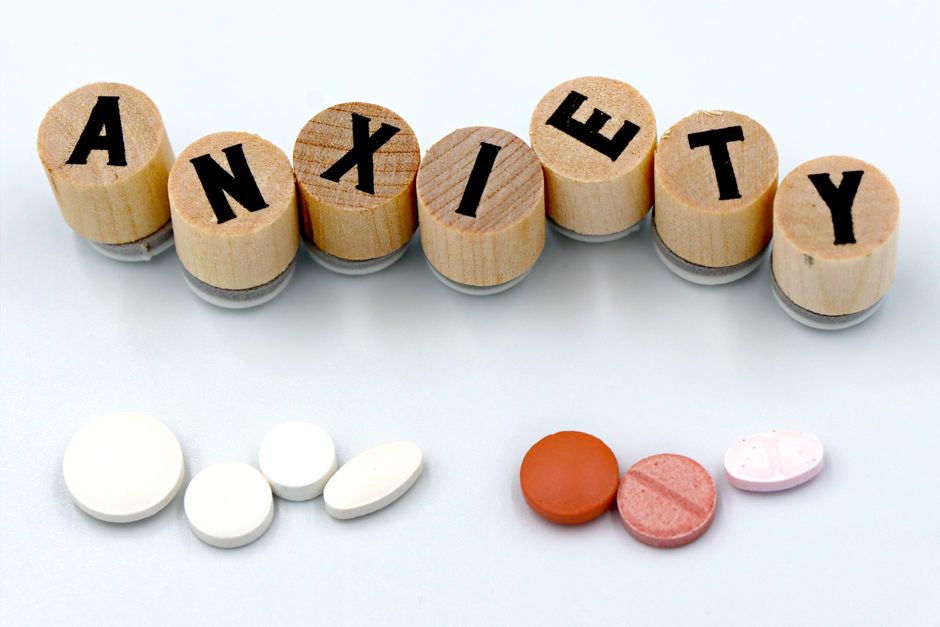
An anxiety attack can feel like it comes out of nowhere and takes over your whole body. The key facts are simple: anxiety attacks are intense surges of fear that peak within minutes, and they are not dangerous even when they feel terrifying. You can manage one by slowing your breathing, grounding yourself in the present moment, and staying where you are until the wave passes. Most attacks ease within 10 to 20 minutes.
What Happens in Your Body During an Anxiety Attack?
An anxiety attack triggers your body’s fight-or-flight response. This is the same system that helped humans survive physical threats for thousands of years. Your brain signals your adrenal glands to release hormones like adrenaline and cortisol.
Those hormones cause real physical changes. Your heart beats faster to send blood to your muscles. Your breathing speeds up to take in more oxygen. Your pupils widen. Digestion slows. Blood moves away from your skin and toward your vital organs.
These changes are designed to help you fight or run. When there is no physical threat, they feel alarming instead of useful. That is the core mismatch of an anxiety attack.
The surge usually builds quickly and peaks within about 10 minutes. The body then begins to clear the stress hormones, and symptoms fade. The entire episode often resolves within 20 to 30 minutes, though lingering fatigue or unease can last longer.
One detail many people miss: the physical symptoms themselves can create more fear. A racing heart makes you think something is wrong with your heart. Shortness of breath makes you think you are suffocating. That fear feeds the attack and can prolong it. Understanding that these sensations are normal stress responses, not signs of danger, is one of the most useful things you can learn.
What Is the Difference Between an Anxiety Attack and a Panic Attack?
Panic attacks are a defined clinical term. Anxiety attacks are not.
The Diagnostic and Statistical Manual of Mental Disorders, Fifth Edition (DSM-5) provides specific criteria for panic attacks. A panic attack is an abrupt surge of intense fear or discomfort that reaches a peak within minutes and includes at least four of thirteen listed symptoms. These can include a pounding heart, sweating, trembling, shortness of breath, feelings of choking, chest pain, nausea, dizziness, chills or heat sensations, numbness or tingling, feelings of unreality, fear of losing control, and fear of dying.
Panic attacks can occur in the context of several conditions, including panic disorder, social anxiety disorder, and other anxiety disorders. They can also occur without any diagnosed mental health condition.
“Anxiety attack” is a phrase people use in everyday language. It has no formal diagnostic definition. Someone might say they had an anxiety attack when they mean a period of intense worry, a panic attack, or a stress response that built gradually rather than suddenly.
The distinction matters for treatment. If you experience recurrent, unexpected panic attacks and worry persistently about having more, a clinician may evaluate you for panic disorder. That diagnosis opens the door to specific treatments with strong evidence behind them.
How To Manage Anxiety Attacks When They Strike
When an anxiety attack is happening, your goal is not to stop it instantly. Your goal is to ride it out without making it worse. Several strategies can help.
Slow Your Breathing
Fast, shallow breathing is a hallmark of the fight-or-flight response. Deliberately slowing your exhale can help activate the parasympathetic nervous system, which calms the stress response.
Try this: breathe in through your nose for a count of four. Hold for a count of four. Breathe out slowly through your mouth for a count of six to eight. Repeat. The long exhale is the key part. Do not force it if it feels uncomfortable. Just aim for slower, gentler breathing than what your body is doing on its own.
Some people find that focusing on the counting itself helps distract from frightening thoughts. That is a bonus, not a requirement.
Ground Yourself
Grounding techniques bring your attention back to the present moment and away from catastrophic thoughts. One common method is the 5-4-3-2-1 technique:
- Name 5 things you can see
- Name 4 things you can touch
- Name 3 things you can hear
- Name 2 things you can smell
- Name 1 thing you can taste
This works because it engages your senses and gives your mind a concrete task. It is not a cure, but it can interrupt the spiral of fear.
Stay Where You Are
Your instinct may be to flee. Leaving the situation can bring short-term relief, but it teaches your brain that the situation was dangerous. Over time, that can make anxiety worse and lead to avoidance.
If you can, stay put until the symptoms begin to ease. Remind yourself that the attack will pass. It always does.
Use Cold Water or Ice
Splashing cold water on your face or holding an ice cube can help. Cold stimulation activates the dive reflex, which slows heart rate and breathing. Some people find this genuinely helpful. Others do not. It is one option among several, not a guaranteed fix.


What Treatments Help With Recurring Anxiety Attacks?
If anxiety attacks happen often or interfere with your life, professional treatment can make a significant difference. Two approaches have the strongest evidence base.
Cognitive behavioral therapy (CBT) is one of the most studied treatments for anxiety disorders. It helps you identify and change the thought patterns that fuel anxiety. A specific form called panic-focused CBT teaches you to reinterpret physical sensations and gradually face feared situations.
Medications may also be prescribed. Selective serotonin reuptake inhibitors (SSRIs) and serotonin-norepinephrine reuptake inhibitors (SNRIs) are commonly used for anxiety disorders. Benzodiazepines can provide rapid relief but carry a risk of dependence and are generally intended for short-term use. Your prescriber can discuss the risks and benefits for your situation.
Combining therapy and medication is common. Research generally supports this approach for moderate to severe anxiety, though individual responses vary.
Other approaches with some evidence include relaxation training, mindfulness-based stress reduction, and exercise. The evidence for these is not as strong as for CBT, but they may help as part of a broader plan.
When Should You Seek Professional Help?
An anxiety attack itself is not an emergency. But some symptoms overlap with serious medical conditions, and it is not always easy to tell the difference.
Seek immediate medical attention if you experience:
- Chest pain or pressure that does not ease
- Fainting or loss of consciousness
- Severe difficulty breathing that does not improve
- Symptoms that are new, different from your usual anxiety attacks, or worsening
These could indicate a heart attack, a pulmonary embolism, or another medical emergency. Do not assume it is “just anxiety.”
Even when you are confident it is anxiety, consider talking to a doctor or mental health professional if:
- Attacks happen frequently or feel unpredictable
- You start avoiding places or situations because of fear
- Anxiety interferes with work, relationships, or daily activities
- You feel depressed, hopeless, or have thoughts of harming yourself
These are signs that professional support could help. There is no need to wait until things feel unmanageable.
Can Anxiety Attacks Be Prevented?
You cannot always prevent an anxiety attack. But you can reduce how often they happen and how much they affect your life.
Regular physical activity has been linked to reduced anxiety symptoms in multiple studies. Sleep matters too. Chronic sleep deprivation can increase stress sensitivity and make anxiety worse.
Limiting caffeine and alcohol may help. Both can trigger or worsen anxiety symptoms in some people. Caffeine is a stimulant that can mimic the physical sensations of anxiety, and alcohol can disrupt sleep and increase anxiety the next day.
Learning to recognize early warning signs can also help. Many people notice subtle changes before an attack, such as muscle tension, irritability, or a sense of dread. Catching those signs early gives you more options for intervening.
If you have been through trauma or have a history of anxiety disorders, working with a therapist on a prevention plan may be more effective than trying to manage attacks on your own.
Frequently Asked Questions
How long does an anxiety attack usually last?
Most anxiety attacks peak within about 10 minutes and ease within 20 to 30 minutes. Some symptoms, like fatigue or lingering unease, can last longer.
Can an anxiety attack kill you?
No, an anxiety attack itself is not life-threatening. However, some symptoms like chest pain can overlap with serious medical conditions, so new or unusual symptoms should be evaluated by a doctor.
What should I do during an anxiety attack?
Focus on slowing your breathing, especially the exhale, and use grounding techniques to bring your attention to the present. Stay where you are if possible and remind yourself the attack will pass.
When should I see a doctor for anxiety attacks?
See a doctor if attacks are frequent, interfere with daily life, or lead to avoidance of situations. Seek emergency care for chest pain, fainting, or severe breathing difficulty that does not improve.
