

You walk into a room and forget why. A name sits right on the tip of your tongue and won’t come out. You read the same email twice because nothing from the first pass stuck. If that sounds familiar, you’re not alone; it’s why so many people are turning to brain health supplements instead of just accepting it as “getting older.”
Phytomem One is one of the newer names in that space, and it’s built differently than most: ten named ingredients working two angles at once, not one caffeine-adjacent stimulant doing all the work.
Its real hook is the glucose angle — most brain pills chase focus for a few hours; this one is aimed at how well your brain cells fuel themselves in the first place.
That’s the root a lot of “memory fixes” never touch. A stimulant covers the symptom for an afternoon; it doesn’t explain why the fog shows up again like clockwork every day.
Here’s exactly what’s in Phytomem One review, what the science backs up, what’s still unproven, and whether it’s worth your money.
Phytomem One Editorial Rating
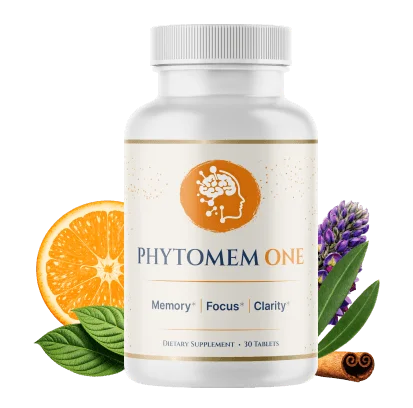
What Is Phytomem One
Phytomem One is a daily capsule that’s supposed to help you think clearer, remember more, and stay focused — no caffeine, no stimulants.
It’s made by Phyto Thrive Labs and sold only on the official site. You take one capsule a day with food. Instead of relying on one “focus” ingredient, it packs in ten named botanicals split into three groups — some aimed at brain inflammation, some aimed at how well your brain cells use glucose for fuel.
The brand calls this fighting a “Plastic Stranglehold” from microplastics and “Type 3 Diabetes,” a nickname some researchers use for brain insulin resistance. Neither is an official diagnosis. They’re marketing language built on top of a real, early-stage research area.
Phytomem One — At a Glance
How Phytomem One Works
Phytomem One works two angles at once: calming brain inflammation, and helping your brain cells use glucose better.
Track 1 — Calming inflammation. Saffron, fucoxanthin, fucoidan, and oleuropein make up this group. All four have real antioxidant activity, which is a legitimate angle in brain-aging research.
Track 2 — Fueling brain cells. Berberine, Ceylon cinnamon, corosolic acid, and kudzu flower extract sit here. Berberine turns on AMPK, a switch that helps cells absorb and use glucose better. Most of that research comes from metabolic and diabetes studies, not brain-specific human trials — the brain angle is a logical extension, not something tested directly yet.
Morosil and xylitol round out the formula. Morosil is there for bioavailability and inflammation. Xylitol is a low-glycemic filler that keeps blood sugar steady.1Xylitol: What to know about this popular sugar substitute, Harvard Health.
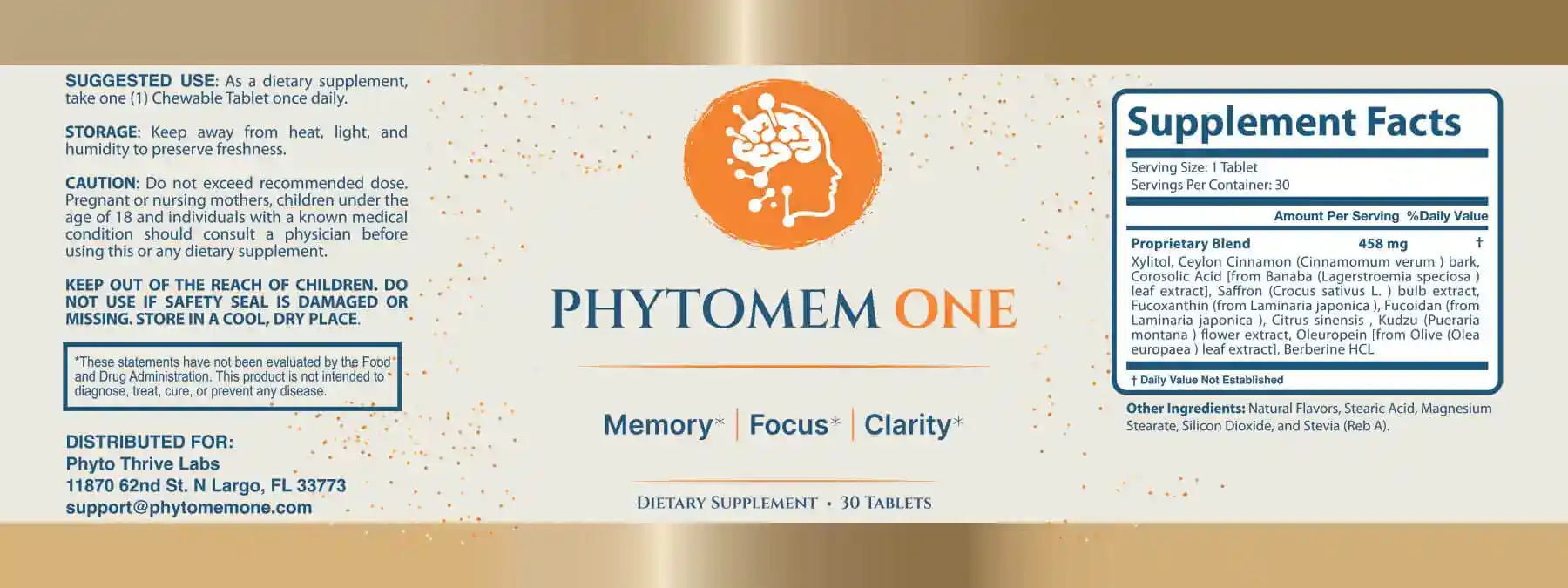
Phytomem One Ingredients

Saffron Extract (Crocus sativus)
Saffron is a spice known for protecting brain cells and calming inflammation. That’s why it’s in this formula.
Evidence: Saffron has real human studies behind it — but mostly in people with Alzheimer’s or memory decline, not healthy adults. A yearlong Alzheimer’s trial found it worked about as well as a prescription memory drug. Strong result, different group of people than most buyers here.

Fucoxanthin (Japanese Sea Kelp)
This is a pigment from brown seaweed. It’s added to protect brain cells from damage.
Evidence: Lab studies show it protects brain cells from amyloid damage. That’s cell-culture and animal research only — no human trials yet, so claims about “growing new brain connections” are getting ahead of the science.

Fucoidan (Japanese Sea Kelp)
Another sea kelp compound, added here for its antioxidant power.
Evidence: Animal studies show it lowers oxidative stress in brain cells. No human studies exist. The “40% reduction” figure on the sales page doesn’t trace back to any published human research.

Oleuropein (Olive Leaf Extract)
The main active compound in olive leaves. It’s added here for blood sugar support.
Evidence: This one is backed by a real human trial. Olive leaf extract improved insulin sensitivity by 15% over 12 weeks. Solid result — but it doesn’t back the sales page’s separate claim about eye protection.

Berberine HCl
Berberine is the formula’s core metabolic ingredient. It’s known for helping the body manage blood sugar.
Evidence: Berberine switches on AMPK, a pathway that helps cells absorb glucose. That’s a well-proven metabolic effect — the brain-specific benefit is a reasonable extension of it, not something tested directly yet.

Ceylon Cinnamon Bark
Real cinnamon, not the cheap cassia kind. It’s paired with berberine to boost insulin response.
Evidence: USDA scientists confirmed cinnamon compounds improve insulin sensitivity. That’s a solid government-backed source, though it’s general cinnamon research, not a test of this exact extract at this exact dose.

Corosolic Acid (Banaba Leaf)
A traditional blood-sugar herb from Southeast Asia. It helps glucose move into cells.
Evidence: Research shows corosolic acid lowers blood sugar within 60 minutes in human subjects. That’s real human data on the compound itself, just not on this specific product.

Kudzu Flower Extract
A traditional Chinese herb, added for brain circulation support.
Evidence: Animal studies show its isoflavones support blood flow to the brain. Animal data only — no human cognition trial exists yet.

Morosil (Sicilian Red Orange)
A patented blood-orange extract. The brand calls it the ingredient that helps everything else absorb better.
Evidence: A real placebo-controlled trial found 400mg of Morosil daily cut visceral fat over several months. Genuine human data — but it measured body fat, not brain absorption, which is how it’s marketed here.

Xylitol
A natural sweetener used here as a low-sugar filler base, not an active ingredient.
Evidence: No brain research exists on xylitol. It’s a sensible choice for keeping blood sugar steady, but it isn’t doing any cognitive work on its own.
Bottom Line: Two ingredients — oleuropein and berberine — have solid human evidence for their metabolic role. Saffron has strong human data too, but mostly from Alzheimer’s patients, not everyday adults. Four ingredients (fucoxanthin, fucoidan, kudzu, corosolic acid’s brain application) rest on animal or lab data only. Morosil has human data on a different outcome than advertised. Xylitol is just a filler.
Phytomem One Benefits
Better Memory & Recall
Saffron and berberine are the two ingredients most likely to help with everyday recall after a few weeks of daily use.
Less Brain Fog
Four antioxidant ingredients — saffron, fucoxanthin, fucoidan, and oleuropein — target the oxidative stress behind that foggy, unfocused feeling.
Focus Without a Crash
No caffeine and no stimulants means no jittery spike and no afternoon crash — just a slower, steadier build.
Brain Fuel Support
Berberine, cinnamon, and corosolic acid all work on the same glucose pathway, giving Phytomem One a genuinely different angle than a typical focus pill.
One Simple Daily Habit
One capsule with food. No loading phase, no complicated schedule to remember.
How To Use Phytomem One — Dosage Instructions
Take one Phytomem One capsule a day, with food. That’s it — no loading phase, no cycling on and off, no timing tricks to remember.
Additional Tips for Best Results:
- Finish at least one full bottle before deciding if it’s working for you
- Pair it with something you already do every day, like breakfast or your morning coffee, so it’s easy to stay consistent
- Give it real time — most people don’t notice a shift before week 3, and the fuller effect builds by week 5 or 6
- Keep sleep, water, and meals steady while you’re on it, since those affect memory and focus on their own
Understanding Brain Insulin Resistance (“Type 3 Diabetes”)
Brain cells need insulin to pull in glucose, the fuel they run on. When those cells stop responding to insulin the way they should, they can’t fuel themselves properly — and that’s the idea some researchers call brain insulin resistance.
“Type 3 Diabetes” is the informal nickname for this. It’s not a diagnosis your doctor will ever write down. It’s shorthand researchers use to describe how insulin problems in the brain might connect to memory decline over time.2Bridging the gaps in alzheimer’s disease: a comprehensive review of current and emerging therapies, PubMed Central.
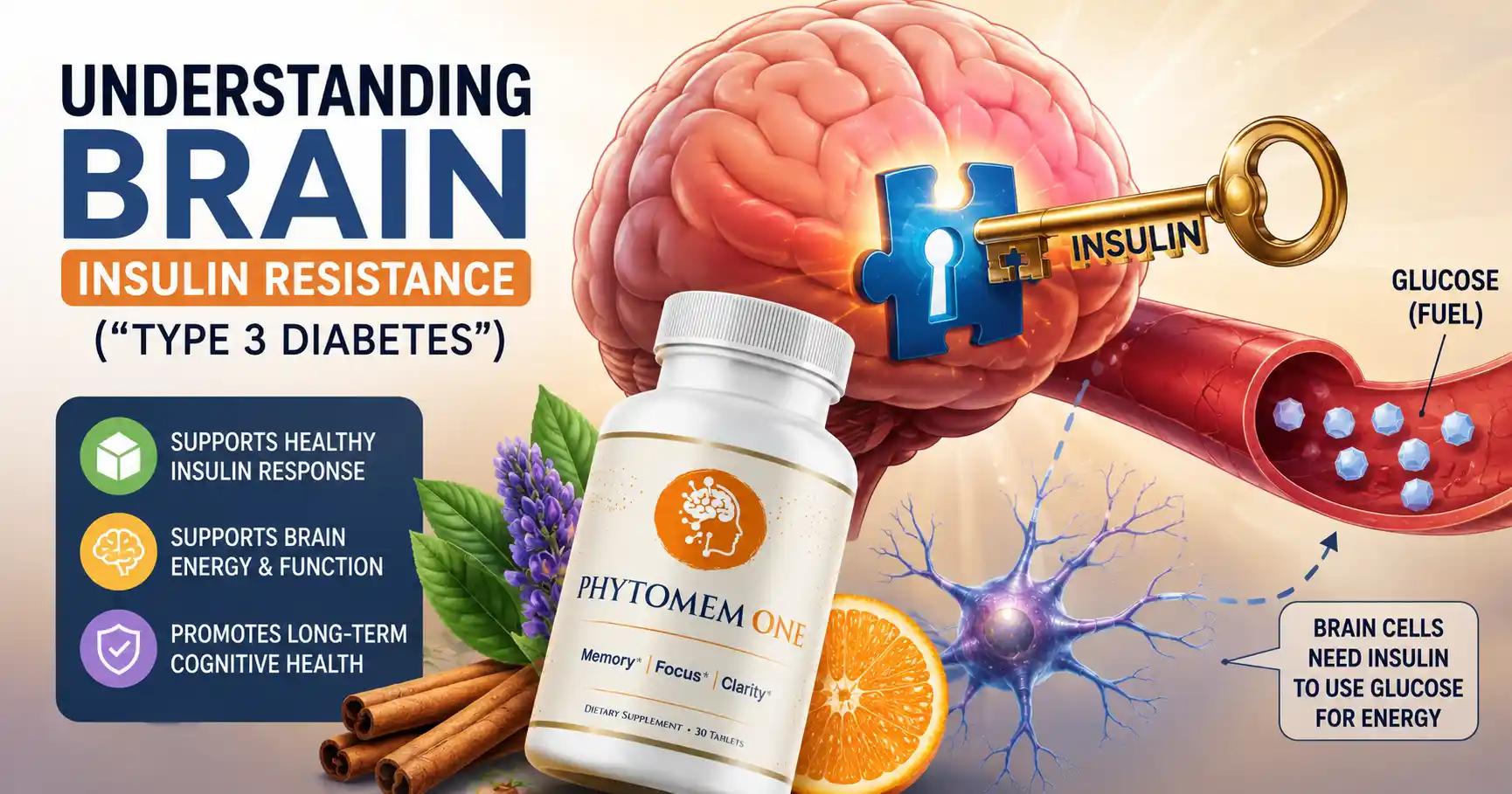
The link between blood sugar and brain function is real and still being studied. Ingredients that support insulin sensitivity, like berberine and cinnamon, reasonably fit into that picture — but no single capsule reverses it on its own. Diet, movement, and sleep still do most of the work.
Phytomem One User Reviews
Most people report subtle improvements building over 3 to 6 weeks, not immediate clarity.
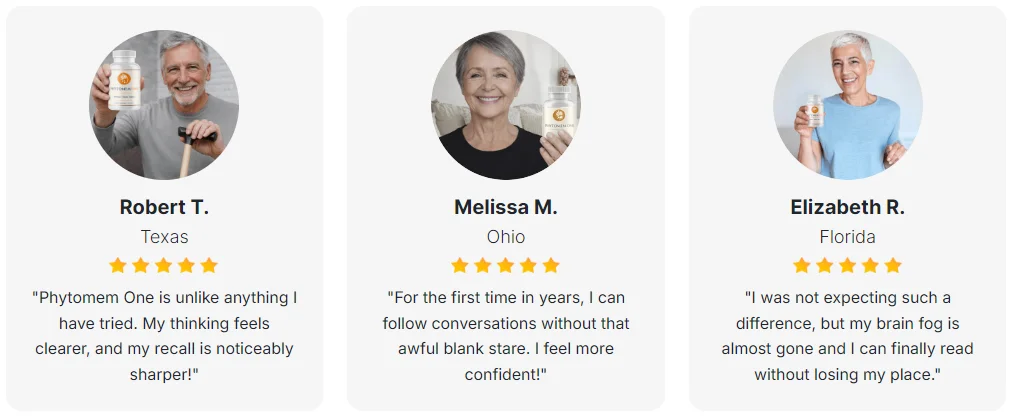
Says Phytomem One is unlike anything else he’s tried — his thinking feels clearer and his recall noticeably sharper.
Says that for the first time in years, she can follow conversations without that blank-stare feeling, and feels more confident because of it.
Says the difference caught her off guard — her brain fog is almost gone, and she can read again without losing her place.
User Complaints
Not Overnight Results: The most common dissatisfaction isn’t safety — it’s pace. Some buyers expected changes in the first week or two and had to wait closer to a month.
Single-bottle price: At $79 for one bottle, buyers who skip the bundle discount feel the price is steep next to single-ingredient supplements.
Side Effects & Safety
Phytomem One is generally well tolerated. The most common issue is mild stomach discomfort in the first few days, a bit of gurgling or looseness, which matches how berberine typically behaves and usually settles once your body adjusts.
Because berberine and Ceylon cinnamon both affect blood sugar and insulin, anyone on prescription diabetes or blood pressure medication should check with a doctor first; combining them could push your levels lower than intended. Pregnant or nursing individuals, and anyone under 18, should skip it without medical guidance too.
There’s no major allergen flag on the label, and since it’s stimulant-free, it shouldn’t cause jitters or mess with your sleep.
But if you experience any side effects, stop using it and talk to a healthcare professional.
Phytomem One Price
| Package | Price per Bottle | Total Price | Supply Length | Bonuses |
| Starter — 2 Bottles | $79 | $158 | 60 days | 3 free digital guides |
| Advanced — 3 Bottles | $59 | $177 | 90 days | 3 free digital guides |
| Ultimate — 6 Bottles | $49 | $294 | 180 days | 3 free digital guides + free U.S. shipping |
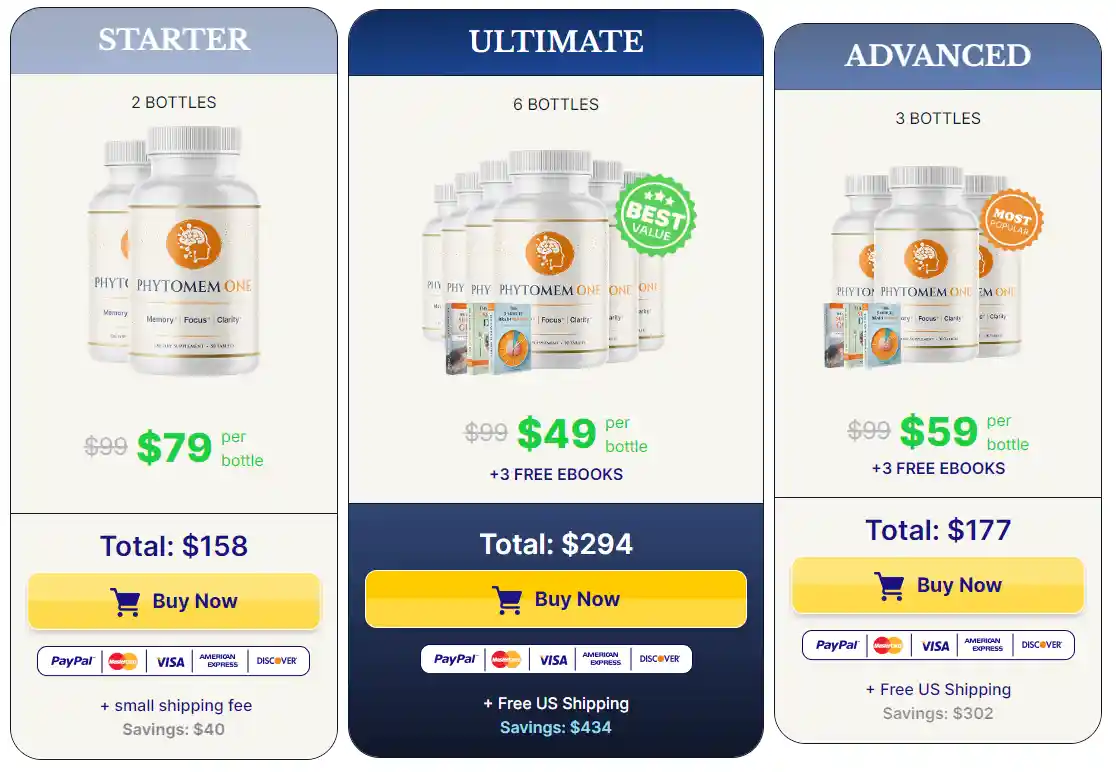
The 6-bottle Ultimate pack is the clear best deal — $49 a bottle, about 38% cheaper than buying just two. Since real results take 3–6 weeks to show up, it’s also the amount most people actually need to fairly judge whether it’s working.
Bundle pricing and current bonuses are live on the official page.
See Package PricingBonuses With Phytomem One
Every Phytomem One order currently includes three digital guides at no extra cost. Bonus values below are manufacturer-reported, not independently appraised.

Bonus #1: The Memory Shield Diet ($97 value — manufacturer-reported)
A food guide covering what may help protect the brain from microplastic exposure, and what may work against it. The manufacturer credits this to a “Dr. Nakamura” — we couldn’t independently verify this credential, so treat the authorship claim as manufacturer-reported rather than confirmed.
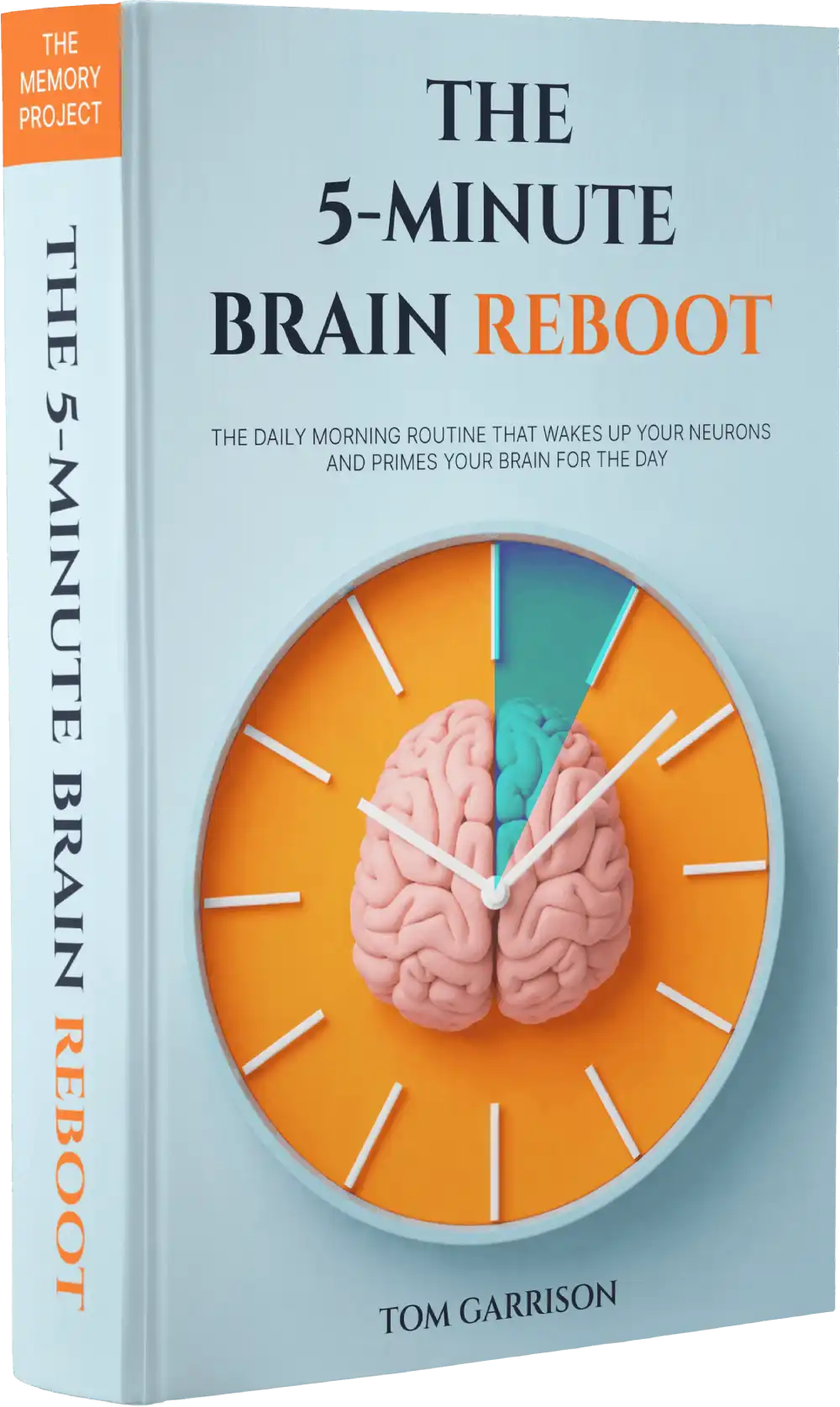
Bonus #2: The 5-Minute Brain Reboot ($67 value — manufacturer-reported)
A short daily routine pitched as a way to jump-start mental sharpness in the morning. The sales page ties it to one dramatic case study; that’s a single anecdote, not a study, so read it as a story rather than evidence.

Bonus #3: The Caregiver’s Survival Guide ($50 value — manufacturer-reported)
A practical guide for family members supporting someone through memory or cognitive changes — useful context even independent of the supplement itself.
Pros & Cons
Pros
- All 10 ingredients are listed by name — no hidden “proprietary blend” mystery
- Two core ingredients (oleuropein, berberine) have real human-trial support for their metabolic mechanism
- Stimulant-free, one capsule a day, no complicated cycling
- 60-day refund window, no subscription or recurring charges
- Made in a GMP-standard, FDA-registered U.S. facility
Cons
- Not available in stores — official website only
- Single-bottle price is higher per bottle than the multi-bottle packages
- Shipping can run slower than usual during high-demand periods
Conclusion On Phytomem One Reviews
Best for: Adults dealing with mild memory slips or afternoon brain fog who want a stimulant-free capsule and are willing to give it a few weeks to work.
Not ideal for: Anyone on diabetes or blood pressure medication without a doctor’s sign-off, pregnant or nursing individuals, or anyone who needs exact clinical dosing numbers before buying anything.
Expected timeline: Give it 3 to 6 weeks. That’s the window where most people start noticing a real difference — not day one, but not a distant maybe either.
Overall recommendation: For $49–$79, Phytomem One is a straightforward, low-risk way to try a stimulant-free approach to memory support — the ingredient list is honest, two of its core ingredients have real human research behind them, and the 60-day guarantee means you’re not stuck with it if it doesn’t work for you. If mild brain fog or forgetfulness has been creeping in, this is a reasonable place to start.
Get Phytomem One While It’s In StockPhytomem One vs Alternatives
RhythmONE and NeuroVera are two other brain-support supplements we have reviewed. Here’s the short version of how all three compare on ingredients, price, and guarantee.
Phytomem One
Format: 1 capsule/day
Key ingredients: 10, incl. berberine, saffron, oleuropein
Price: $49–$79/bottle
Guarantee: 60 days
The only one of the three that targets brain glucose metabolism, not just circulation and stress — a genuinely different angle.
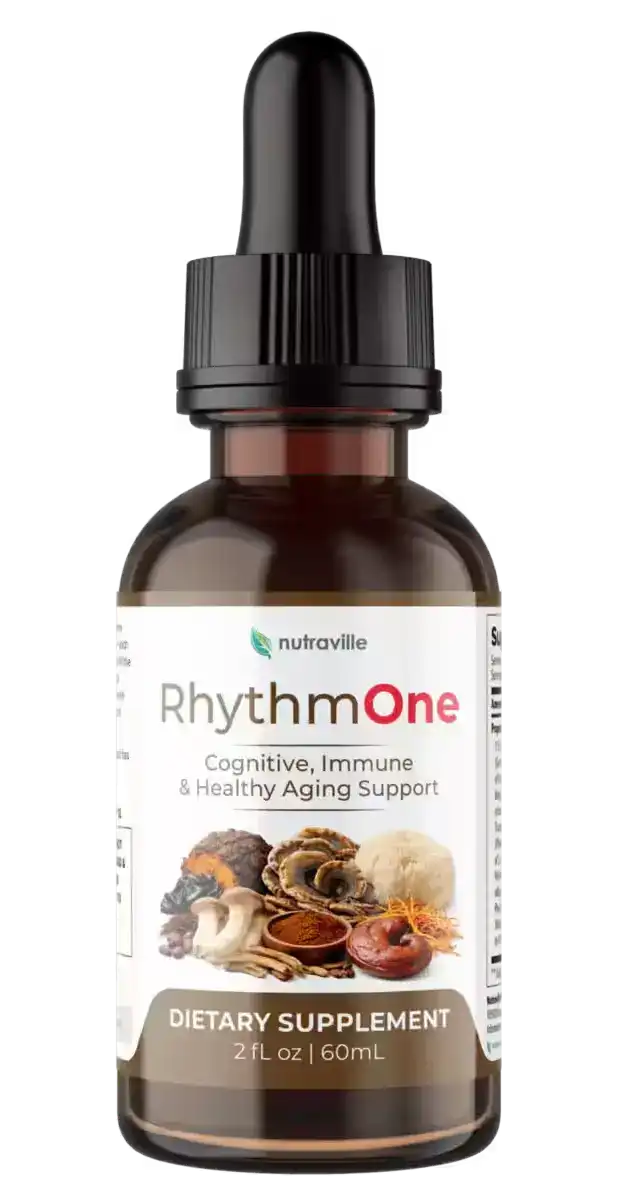
RhythmONE
Format: 2 capsules/day
Key ingredients: Schisandra, Gotu Kola, Shilajit, Lion’s Mane, Bacopa
Price: $29–$49/bottle
Guarantee: 365 days
Longer guarantee and lower price, but its own FAQ claims 9 ingredients while only 5 are listed — a transparency gap Phytomem One doesn’t have.
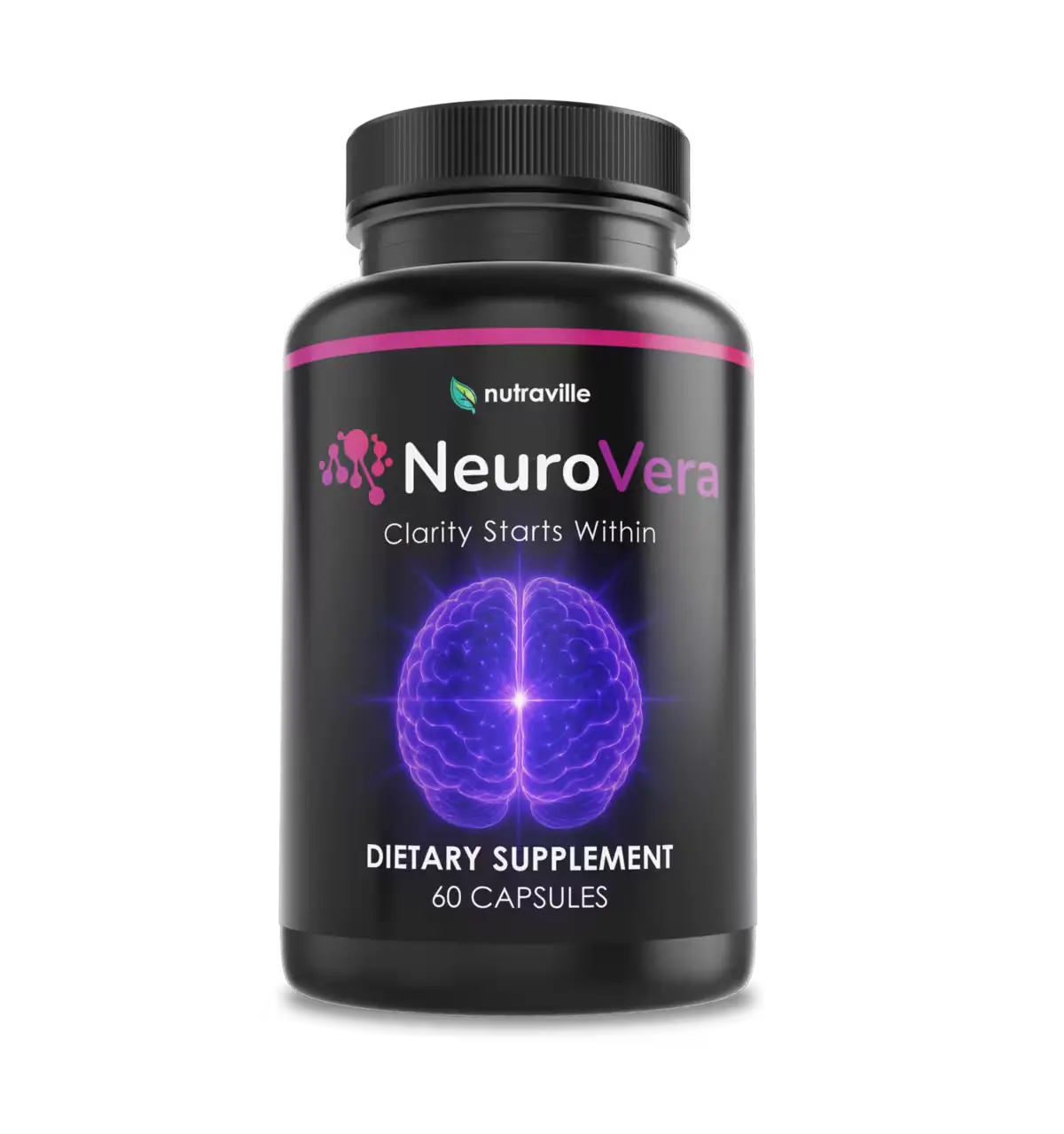
NeuroVera
Format: 2 capsules/day
Key ingredients: Schisandra, Gotu Kola, Shilajit, Lion’s Mane, Bacopa
Price: $29–$49/bottle
Guarantee: 365 days
Nearly the same 5-ingredient formula as RhythmONE. Cheaper and longer-guaranteed, but no metabolic/glucose ingredients at all.
FAQs About Phytomem One
Is Phytomem One a good supplement?
Yes, with realistic expectations. Two of its ten ingredients (oleuropein and berberine) have real human research behind them, and every ingredient is named on the label. It’s not a fast fix — plan on 3 to 6 weeks before you notice a real difference.
What is Phytomem One?
Phytomem One is a daily brain-support capsule with ten named ingredients, taken once a day with food. It’s built to support memory and focus without caffeine or stimulants.
What are the Phytomem One benefits?
It’s aimed at better memory recall, less afternoon brain fog, steady focus without a crash, and support for how well brain cells use glucose for fuel.
What are the Phytomem One side effects?
The most common one is mild stomach discomfort in the first few days, which usually settles down. Anyone on diabetes or blood pressure medication should check with a doctor first.
What are the Phytomem One instructions?
Take one capsule a day with food. No loading phase, no cycling on and off — just a consistent daily habit.
What are the Phytomem One ingredients?
Saffron Extract, Fucoxanthin, Fucoidan, Oleuropein, Berberine HCl, Ceylon Cinnamon, Corosolic Acid, Kudzu Flower, Morosil, and Xylitol — a 458mg total blend, with no individual milligram amounts disclosed.
Are there Phytomem One reviews and complaints?
Yes. Most public feedback is positive but describes gradual results, not instant ones. The top complaint is pace, not safety — some buyers expected changes faster than the 3-to-6-week window most people actually see.
Is there a Phytomem One effectiveness study?
Not on the finished product itself — no company-funded trial exists yet. The evidence sits at the ingredient level: two ingredients have solid human trials, four rest on animal or lab data only.
Where can I buy Phytomem One?
Only through the official website. It isn’t sold in stores, on Amazon, or anywhere else — buying elsewhere means losing the refund guarantee.
Does Phytomem One have a money-back guarantee?
Yes, 60 days from delivery, minus return shipping. One third-party site lists 180 days, but the company’s own refund page says 60 — go with that one.
Is Phytomem One reviewed by Consumer Reports?
No. Phytomem One is sold exclusively through its own website via ClickBank, so it isn’t carried, tested, or rated by Consumer Reports, the BBB, or Trustpilot. Any “Consumer Reports” language you see on other review sites is referring to reader-submitted feedback, not the actual publication.
Scientific References
- 1Xylitol: What to know about this popular sugar substitute, Harvard Health. ↩︎
- 2Bridging the gaps in alzheimer’s disease: a comprehensive review of current and emerging therapies, PubMed Central. ↩︎
