
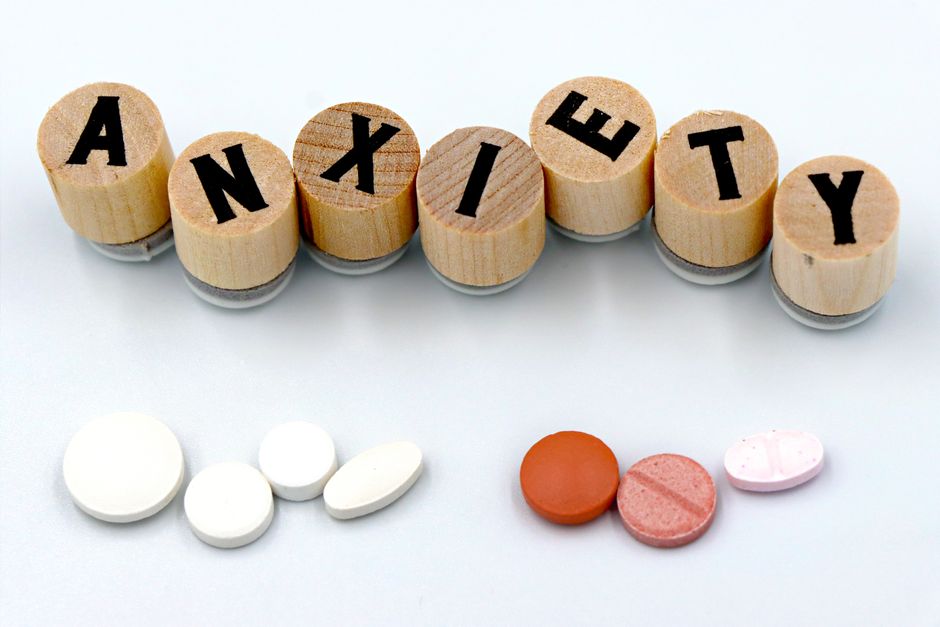
An anxiety attack can feel like your body has turned against you. The most helpful steps are to stay where you are if it is safe, slow your breathing with a longer exhale, ground yourself in the present moment, and remind yourself that the surge will pass. If attacks keep happening, talk with a doctor or mental health professional, because ongoing treatment works far better than trying to manage each episode alone.
What Is Happening in Your Body During an Anxiety Attack?
An anxiety attack is a surge of the body’s stress response, often called the fight-or-flight response. Your brain perceives a threat, real or not, and signals your adrenal glands to release hormones including adrenaline and cortisol.
Those hormones speed up your heart, push more air into your lungs, tense your muscles, and sharpen your attention. This system evolved to help you escape danger. It works well when the danger is real. It feels terrible when there is no danger at all.
That mismatch is the core of the problem. Your body is doing exactly what it is designed to do. It is responding to a false alarm.
One detail many people miss: the physical sensations of an anxiety attack are not dangerous in themselves. A racing heart, tight chest, sweating, and shaking are uncomfortable, not harmful. The fear of those sensations is often what makes the episode worse and longer.
Anxiety attacks are not the same as panic attacks, though the two overlap heavily and people use the terms interchangeably. Panic attacks are a defined clinical term with specific criteria. Anxiety attacks are a broader, everyday description. Both involve intense fear and physical symptoms.
What To Do For Anxiety Attacks Steps That Help in the Moment
When an attack is happening, the goal is not to stop it by force. The goal is to ride it out without adding more fear. These steps are widely used in cognitive and behavioral therapy.
Stay put if you are safe
Leaving a situation can feel like relief, but it teaches your brain that the situation was the danger. If you are somewhere safe, try to stay. If you are driving, pull over when you can do so safely.
Slow your breathing, especially the exhale
Fast, shallow breathing feeds the physical symptoms. Try to make your exhale longer than your inhale. A common approach is to breathe in through your nose for a count of four and out through your mouth for a count of six or eight.
Do not force it. Straining to breathe slowly can increase panic. Aim for gentle and steady.
Ground yourself using your senses
A simple technique is to name things you can see, hear, and feel around you. This pulls attention away from internal sensations and back to the room. Some people use a five-senses exercise, noting five things they see, four they hear, and so on.
Use a calming phrase
Tell yourself something factual and short. “This is a surge, and it will pass.” “My body is reacting, not failing.” Repeating a steady phrase can reduce the secondary fear that keeps the episode going.
Cool your body down
Splashing cold water on your face or holding something cold can help shift your body’s arousal. Some people find cold exposure briefly calms the nervous system. The evidence for this as a reliable anxiety treatment is limited, but many people report it helps them in the moment.
Let the wave pass
Anxiety attack symptoms usually peak and then ease. The peak is often minutes, not hours. Trying to fight the feeling tends to make it last longer.
What Should You Do Right After an Anxiety Attack?
The minutes after an attack matter more than people realize. This is when your body is still coming down and your mind is likely to replay what happened.
First, give yourself a few minutes of quiet. Sit somewhere comfortable. Drink water. Let your breathing return to normal on its own.
Then, avoid the urge to analyze everything immediately. Ruminating right after an attack can strengthen the connection between the situation and fear. If you can, wait until you feel steadier before thinking it through.
When you are ready, write down a few notes. What was happening before it started? What did you notice first? What helped? Patterns often emerge over time, and those patterns are useful for both you and a clinician.
Finally, be kind to yourself. An anxiety attack is not a personal failure. It is a stress response that fired when it did not need to.


When Should You Get Professional Help?
Occasional anxiety attacks are common, and many people get through them without ongoing treatment. But there are clear signals that professional support would help.
- Attacks are frequent or getting worse
- You are avoiding places, people, or activities because of them
- They interfere with work, school, relationships, or sleep
- You feel anxious most days, not just during attacks
- You are using alcohol or drugs to cope
- You have thoughts of harming yourself
If you have thoughts of harming yourself, seek help right away. In the US you can call or text 988 to reach the Suicide and Crisis Lifeline.
It is also worth ruling out other causes. Some medical conditions can produce symptoms that look like anxiety attacks, including thyroid problems, heart rhythm issues, low blood sugar, and reactions to caffeine or certain medications. A doctor can check for these.
Chest pain, fainting, or shortness of breath should never be assumed to be anxiety without medical evaluation. That is especially true the first time it happens.
What Treatments Actually Help With Anxiety Attacks?
For people whose attacks are frequent or disruptive, two approaches have the strongest evidence: therapy and medication. They are often used together.
Cognitive behavioral therapy (CBT) is the most studied psychological treatment for anxiety and panic. It teaches you to notice unhelpful thought patterns and to face feared situations gradually rather than avoiding them. Research consistently shows it helps reduce both the frequency and intensity of attacks for many people.
Medications may include certain antidepressants, which are used to reduce overall anxiety over time, and in some cases fast-acting anti-anxiety drugs. These are prescription decisions made with a doctor, weighing benefits and side effects. They are not something to start or stop on your own.
Breathing and grounding techniques are useful tools, but they are coping skills, not a cure. They work best alongside therapy, not instead of it.
Lifestyle factors can also influence anxiety. Regular sleep, limiting caffeine and alcohol, and consistent physical activity are commonly recommended. The strength of evidence varies by factor, but the general direction is well supported.
Can You Prevent Anxiety Attacks From Happening?
You cannot always prevent an attack, but you can lower how often they happen and how much they disrupt your life. Most of this comes down to the same skills used during and after an attack, practiced regularly.
Learning your early warning signs is one of the most useful steps. Many people notice subtle changes before a full attack, such as a tightening chest, faster breathing, or a wave of worry. Catching those early gives you more room to use a coping skill before things escalate.
Avoidance is the biggest trap. When you skip situations that might trigger an attack, the fear tends to grow. Facing those situations gradually, ideally with guidance from a therapist, is how the fear shrinks over time.
Some research suggests that regular practice of relaxation or mindfulness skills can reduce baseline anxiety. Results vary, and no single technique works for everyone. What matters is finding what helps you and using it consistently.
Frequently Asked Questions
How long does an anxiety attack usually last?
Most anxiety attack symptoms peak within a few minutes and ease within about 10 to 20 minutes, though lingering tension can last longer. If symptoms persist or worsen, seek medical care.
What is the fastest way to calm an anxiety attack?
Slowing your breathing, especially making the exhale longer than the inhale, is one of the quickest ways to reduce physical symptoms. Grounding yourself in the present moment with your senses can help too.
Is it dangerous to have an anxiety attack?
An anxiety attack itself is not dangerous, though the sensations can feel frightening. However, symptoms like chest pain or fainting should be checked by a doctor to rule out other causes.
Should I go to the ER for an anxiety attack?
Go to the ER if you have chest pain, fainting, severe shortness of breath, or symptoms you have never had before. If you already know it is anxiety and you feel safe, you can usually manage it at home.
