
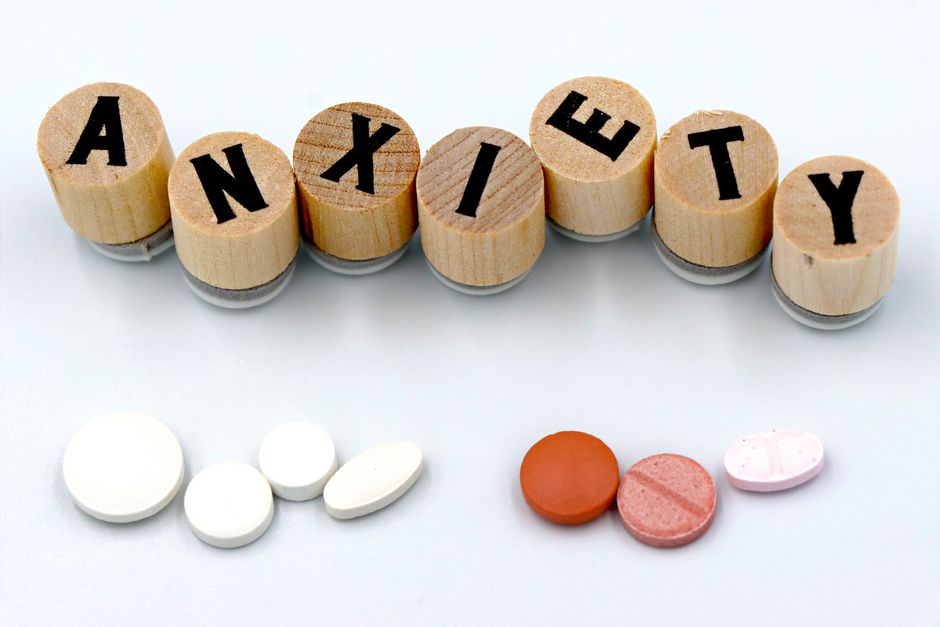
Most anxiety attacks peak within 10 minutes and begin to fade after about 20 to 30 minutes. The full episode usually resolves within 30 minutes, though some people feel shaken or drained for hours afterward. Anxiety attacks are not a formal diagnosis in the standard psychiatric manual — the clinical term is panic attack, and the timing described here reflects how panic attacks are defined in diagnostic criteria.
How Long Do Anxiety Attacks Last From Start to Finish?
The intense phase is short. Most panic attacks build quickly, reach their worst point within about 10 minutes, and then ease off. The entire surge typically lasts somewhere between 5 and 30 minutes.
What lingers is the aftermath. Muscle tension, a racing mind, and a sense of exhaustion can persist for hours. Some people describe feeling “wiped out” for the rest of the day. That tail end is not the attack itself — it is the body recovering from a massive stress response.
Nighttime attacks can feel longer because a person wakes up already in the middle of one, with no sense of when it started. The physiology is the same. The perception of time stretches during intense fear, which is why 10 minutes can feel like an hour.
What Happens in the Body During an Anxiety Attack?
The body releases adrenaline and other stress hormones. Heart rate climbs, breathing speeds up, and blood flow shifts toward large muscles. This is the same system that activates during real danger — it just fires when there is no clear threat.
That misfire explains most physical symptoms:
- Racing or pounding heart
- Shortness of breath or a feeling of choking
- Chest tightness or discomfort
- Dizziness, sweating, or chills
- Numbness or tingling in hands and feet
- Nausea or stomach upset
- A sense of unreality or detachment
The rapid breathing can lower carbon dioxide levels in the blood, which causes tingling and lightheadedness. That part is a direct result of breathing changes, not a sign of something wrong with the heart or brain.
One detail many people miss: the surge of adrenaline has a built-in off switch. The body breaks down these stress hormones fairly quickly once the trigger passes. That is why the peak is short even when it feels unbearable.
Is a Panic Attack the Same as an Anxiety Attack?
In everyday speech, people use the two terms interchangeably. Clinically, they are not the same. Panic attacks are defined by a sudden surge of intense fear that peaks within minutes and comes with specific physical and mental symptoms. The term “anxiety attack” has no formal definition in the diagnostic manual used by mental health professionals.
This matters for a practical reason. Panic attacks are listed as occurring in several conditions — panic disorder, other anxiety disorders, and sometimes in response to stress or medical situations. The timing, the sudden onset, and the peak are what set them apart from general anxiety, which tends to build more slowly and last longer as a background state.
So when someone asks how long an anxiety attack lasts, the honest answer depends on which experience they mean. A panic attack is the short, intense burst described above. Ongoing anxious distress can last days or weeks.





What Makes an Attack Last Longer or Feel Worse?
Fear of the symptoms themselves is the biggest factor. When a person notices their heart racing and thinks “something is seriously wrong,” that fear adds more adrenaline on top of what is already circulating. This can extend the episode and make it feel more severe.
Other things that tend to intensify an attack:
- Caffeine, which raises heart rate and can mimic or worsen symptoms
- Alcohol, especially during the hours after drinking as it wears off
- Poor sleep, which lowers the threshold for stress reactivity
- Certain stimulant medications
- Being in a situation the person already fears, such as a crowded space
Some medical conditions can produce symptoms that look like a panic attack, including an overactive thyroid, heart rhythm problems, and low blood sugar. This is why new, recurring, or unusual episodes deserve a medical evaluation rather than an assumption.
How Can You Get Through an Attack Faster?
You cannot stop an attack by force of will, but you can avoid making it worse. The goal is to ride the wave rather than fight it.
Slowing the breath helps counter the carbon dioxide changes. A common approach is to make the exhale longer than the inhale — for example, breathing in for a count of four and out for a count of six or eight. This is a widely used technique, though research on exactly how well it shortens attacks is limited.
Grounding techniques can pull attention away from the spiral. Naming objects in the room, pressing feet firmly into the floor, or holding something cold are simple options.
What tends to backfire is trying to escape the situation immediately or telling yourself to “just calm down.” Both can increase the sense of threat. Staying put, if it is safe to do so, often shortens the episode over time because it teaches the brain that the situation is not dangerous.
If attacks are frequent, a doctor or mental health professional can discuss treatment. Cognitive behavioral therapy has strong evidence for panic disorder, and certain medications are also used. The best approach depends on the individual.
When Should You See a Doctor?
Chest pain, fainting, or symptoms that feel different from previous attacks should be evaluated promptly. It is not always possible to tell a panic attack from a heart problem based on symptoms alone, and it is better to be checked.
See a professional if attacks are recurring, if you start avoiding places or situations because of them, or if they interfere with work, sleep, or relationships. Avoidance is often the sign that a pattern is forming and worth addressing early.
Panic attacks are common and treatable. Many people improve with the right support. Reaching out is not a sign of weakness — it is the same as getting help for any other health condition.
How Anxiety Attacks Differ From Ongoing Anxiety
A panic attack is an event. Generalized anxiety is a state. People with generalized anxiety often feel worried and tense most days for months at a time, without the sharp peaks of a panic attack.
Both can exist in the same person. Someone may have a steady background of worry and then experience sudden attacks on top of it. Understanding which pattern you have helps guide what kind of help is likely to work.
Frequently Asked Questions
How long do anxiety attacks usually last?
Most peak within about 10 minutes and ease within 20 to 30 minutes. Lingering fatigue or tension can last for hours afterward.
Can an anxiety attack last for hours?
The intense surge itself does not usually last for hours, but the recovery period can. Some people feel drained, shaky, or on edge for the rest of the day.
What is the difference between an anxiety attack and a panic attack?
Panic attack is the formal clinical term with defined criteria, including a sudden peak within minutes. “Anxiety attack” is a common phrase without a standard medical definition.
Should I go to the emergency room for an anxiety attack?
Go if you have chest pain, fainting, trouble breathing that does not ease, or symptoms that feel new or different from usual. It is not always possible to tell a panic attack from a heart problem without an exam.
