

A blood pressure reading of 144/80 mm Hg is considered stage 2 hypertension, meaning it is high blood pressure. The top number (144) is elevated above the normal range, and the bottom number (80) is at the upper end of normal. This specific combination is common and requires attention, but it is not a medical emergency on its own. Understanding what these numbers mean and what steps to take is the first move toward managing your health.
What Do the Numbers 144 and 80 Actually Mean?
Blood pressure is measured with two numbers. The first number, 144, is the systolic pressure. This measures the force of blood against your artery walls when your heart beats. The second number, 80, is the diastolic pressure. This measures the same force when your heart rests between beats.
According to the American Heart Association, a normal blood pressure is below 120/80. Elevated blood pressure is 120-129 systolic with a diastolic under 80. Stage 1 hypertension is 130-139 systolic or 80-89 diastolic. Stage 2 hypertension is 140 or higher systolic or 90 or higher diastolic. A reading of 144/80 falls into stage 2 hypertension because the systolic number is 140 or above.
This classification matters because it guides treatment decisions. A single high reading does not mean you have hypertension. But if 144/80 shows up consistently, it signals a real health risk that should not be ignored.
Is 144/80 Dangerous Right Now?
A single reading of 144/80 is not a medical emergency unless you have symptoms like chest pain, shortness of breath, severe headache, or vision changes. Without those symptoms, the danger is not immediate. The risk is long-term.
Research published in the journal Circulation has found that sustained high blood pressure damages blood vessels over time. This damage increases the risk of heart attack, stroke, kidney disease, and other serious conditions. The danger of 144/80 is what happens if it stays that way for months or years.
If you get a reading of 144/80 at home, wait a few minutes and take it again. If it remains high, take it again at the same time each day for a week. One high reading is common due to stress, caffeine, or activity. A pattern of high readings is what matters.
What Causes a Reading of 144/80?
Many factors can push systolic pressure to 144 while keeping diastolic at 80. Age is a major one. As people get older, arteries stiffen, which raises systolic pressure more than diastolic. The CDC reports that nearly half of adults in the United States have hypertension, and the risk increases with age.
Other common causes include a diet high in sodium, being overweight, lack of physical activity, smoking, and drinking too much alcohol. Stress and certain medications, like decongestants or NSAIDs, can also raise blood pressure temporarily.
Less commonly, conditions like kidney disease, thyroid problems, or sleep apnea can cause high blood pressure. If your blood pressure stays high despite lifestyle changes, your doctor may check for these underlying issues.

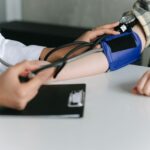



How Is 144/80 Treated?
Treatment for stage 2 hypertension usually involves both lifestyle changes and medication. The American College of Cardiology and the American Heart Association recommend starting medication for most people with stage 2 hypertension, along with lifestyle modifications.
Lifestyle changes that research shows work include reducing sodium intake to under 1,500 mg per day, following the DASH diet (which is rich in fruits, vegetables, and low-fat dairy), getting at least 150 minutes of moderate exercise per week, losing weight if overweight, and limiting alcohol to one drink per day for women and two for men.
Medications commonly prescribed include thiazide diuretics, ACE inhibitors, ARBs, and calcium channel blockers. Your doctor will choose based on your age, other health conditions, and potential side effects. It is common to need more than one medication to control stage 2 hypertension.
Do not stop or change blood pressure medication on your own. If you have side effects, talk to your doctor about switching to a different drug or dose.
What Lifestyle Changes Actually Lower 144/80?
Not all lifestyle advice is backed by strong evidence. Here is what the research actually supports for lowering blood pressure from the 144/80 range.
| Lifestyle Change | Expected Effect on Systolic BP | What the Evidence Says |
|---|---|---|
| Reduce sodium to under 1,500 mg/day | 5-10 mm Hg drop | Strong evidence from multiple randomized trials. The DASH-sodium study confirmed this. |
| DASH diet | 8-14 mm Hg drop | Well-established in clinical trials. Works best when combined with sodium reduction. |
| 150 min/week moderate exercise | 5-8 mm Hg drop | Consistent findings in meta-analyses. Both aerobic and resistance training help. |
| Weight loss of 5-10% body weight | 5-20 mm Hg drop per 10 kg lost | Strong dose-response relationship. More weight loss equals more BP reduction. |
| Limit alcohol to 1-2 drinks/day | 2-4 mm Hg drop | Moderate evidence. Heavy drinkers see larger reductions. |
| Stress reduction techniques | 2-5 mm Hg drop | Mixed evidence. Some people report benefit, but studies are less consistent. |
These effects are additive. Combining several changes can bring a 144 systolic reading down significantly over a few months. But results vary. Some people need medication regardless of lifestyle changes, and that is fine. It does not mean you failed.
Common Misconceptions About 144/80
One common myth is that you can feel when your blood pressure is high. Most people with hypertension have no symptoms at all. That is why it is called the silent killer. You cannot rely on how you feel to know if your blood pressure is controlled.
Another myth is that home monitors are not accurate. The American Heart Association says home monitoring is reliable if you use a validated device and take readings correctly. Sit quietly for five minutes before measuring. Keep your arm at heart level. Do not talk during the reading. Avoid caffeine, smoking, and exercise for 30 minutes before.
A third misconception is that once you start blood pressure medication, you will be on it forever. Some people can reduce or stop medication if they make lasting lifestyle changes and their blood pressure stays normal. But this must be done under a doctor’s supervision. Stopping suddenly can cause dangerous spikes.
What to Avoid When Your Blood Pressure Is 144/80
Do not panic. A single reading of 144/80 does not mean you are having a heart attack or stroke. Panic itself raises blood pressure further. Take a calm approach.
Do not rely on supplements that promise to lower blood pressure. The FDA does not regulate supplements for safety or effectiveness. Some supplements like potassium or magnesium may help modestly, but strong evidence is limited. Many supplements sold for blood pressure have no proven benefit.
Do not ignore the reading because you feel fine. As of 2026, there is no clinical evidence that untreated stage 2 hypertension resolves on its own. It tends to get worse over time without intervention.
Do not assume you need the strongest medication immediately. Work with your doctor to find the right treatment plan for you. Not everyone needs the same drug or dose.
Frequently Asked Questions
Is 144/80 high blood pressure that needs medication?
Yes, 144/80 is stage 2 hypertension, and most guidelines recommend starting medication along with lifestyle changes. Your doctor will decide based on your overall health and risk factors.
Can 144/80 go back to normal on its own?
It can if the high reading was caused by a temporary factor like stress or caffeine. But if readings stay at 144/80 over several days, it is unlikely to normalize without lifestyle changes or medication.
What should I do if I get a 144/80 reading at home?
Wait five minutes and take another reading. If it is still high, check it at the same time each day for a week. If the pattern continues, make an appointment with your doctor.
Is 144/80 dangerous for a 60-year-old?
It is dangerous at any age if it stays high. Older adults are at higher risk for complications like stroke and heart attack, so treatment is especially important. Your doctor will consider your age when choosing a medication.
