
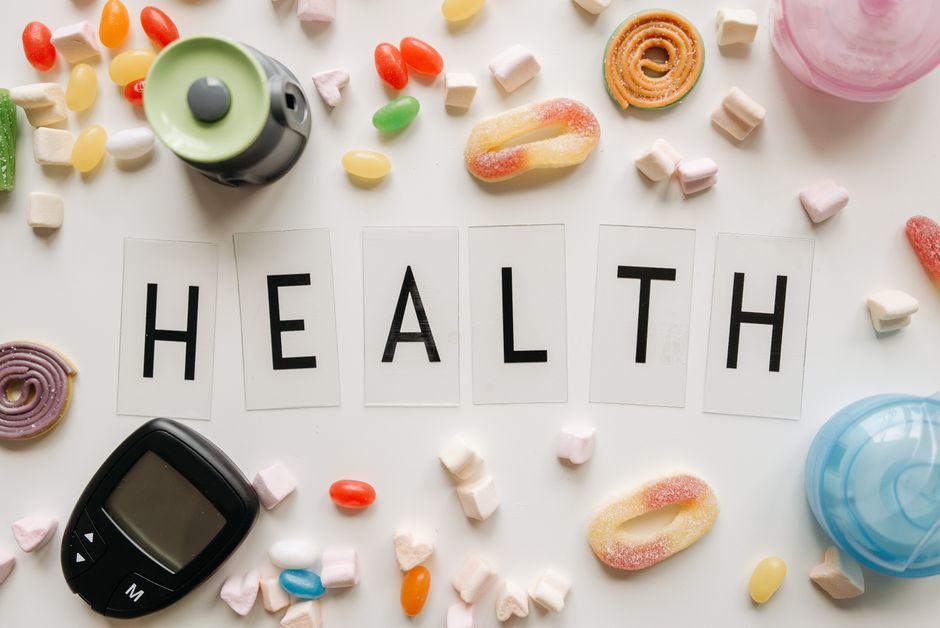
When your blood sugar climbs too high, the food you eat next matters more than almost anything else. The fastest way to bring it down naturally is to choose foods that are low in carbohydrates and high in fiber, protein, or healthy fats. Leafy greens, nuts, eggs, and foods with vinegar like a simple salad dressing are all solid choices. These foods slow digestion and reduce the amount of sugar that enters your bloodstream after a meal.
Why does food affect blood sugar this way?
All carbohydrates break down into glucose, which is sugar. That glucose enters your bloodstream and raises your blood sugar level. The speed of that process depends on the food. White bread, sugary drinks, and candy break down fast. They cause a rapid spike. Foods with fiber, protein, and fat break down slowly. They release glucose gradually, which keeps blood sugar steadier.
Your body responds by releasing insulin, a hormone that helps move glucose out of the blood and into cells for energy. When blood sugar rises too fast, the pancreas has to work harder. Over time, that can lead to insulin resistance, where cells stop responding to insulin properly. Choosing foods that digest slowly is one of the most effective ways to reduce the demand on your insulin system.
What are the best foods to lower blood sugar?
Some foods have a direct and measurable effect on blood sugar. These are the ones to reach for when your levels are running high.
- Non-starchy vegetables like spinach, kale, broccoli, and zucchini are very low in carbohydrates. They add volume and fiber without adding much glucose.
- Nuts and seeds like almonds, walnuts, and chia seeds provide protein, fiber, and healthy fats. They slow stomach emptying and blunt the blood sugar response to other foods.
- Eggs contain almost no carbohydrates. They are a reliable source of protein that does not raise blood sugar.
- Fatty fish like salmon and sardines are rich in protein and omega-3 fats. They have no carbohydrates at all.
- Apple cider vinegar has been studied for its effect on post-meal blood sugar. Some research suggests that taking it before a high-carbohydrate meal can reduce the spike. It is not a treatment on its own, but it can help.
- Beans and lentils are higher in carbohydrates, but their fiber content is so high that the net effect on blood sugar is often modest. They are a better choice than rice or potatoes.
What about fruits and whole grains?
Fruit is a complicated category. All fruit contains natural sugar, but whole fruit also contains fiber. That fiber slows the absorption of the sugar. Berries, apples, and pears are lower on the glycemic index than bananas, grapes, and mangoes. The glycemic index is a measure of how quickly a food raises blood sugar. Lower is better for blood sugar control.
Whole grains like oats, quinoa, and barley are better than refined grains like white rice and white bread. They still raise blood sugar, but they do it more slowly because the fiber is intact. Portion size still matters. A large bowl of oatmeal will raise blood sugar more than a small one, even though oatmeal is a healthy food.
One useful rule is to pair carbohydrates with protein or fat. An apple alone will raise blood sugar more than an apple with a handful of almonds. The protein and fat slow the release of glucose into the bloodstream.


Which foods should you avoid when blood sugar is high?
The foods to avoid are the ones that break down into glucose quickly. Sugary drinks are the worst offender. A can of soda contains roughly 40 grams of sugar, and the body absorbs it almost instantly because there is no fiber or fat to slow it down. Fruit juice is nearly as bad. Even 100 percent fruit juice can spike blood sugar because the fiber has been removed.
Refined carbohydrates are the other major problem. White bread, white rice, pasta, crackers, and most breakfast cereals are highly processed. The milling process strips away the fiber and leaves mostly starch. Starch is just a chain of glucose molecules. Your digestive system breaks it down quickly, and blood sugar rises fast.
Processed snacks like chips, cookies, and pastries combine refined flour with added sugar and unhealthy fats. They are the worst of both worlds. They spike blood sugar and provide almost no nutritional value.
Does meal order change blood sugar response?
Yes. The order in which you eat foods during a meal can change how much your blood sugar rises. Some studies have found that eating vegetables and protein first, then carbohydrates last, results in a smaller blood sugar spike than eating the same foods in the reverse order.
The mechanism is straightforward. Fiber, protein, and fat slow stomach emptying. When carbohydrates arrive at the end of the meal, the digestive system is already working on the earlier foods. The glucose from the carbohydrates is absorbed more slowly. This is a simple strategy that requires no special foods. Just eat your salad or vegetables first, then your protein, then your starch.
What To Eat To Get Blood Sugar Down Naturally in a practical day
Putting this into practice does not require a complicated plan. Here is what a blood-sugar-friendly day looks like.
For breakfast, choose eggs with spinach and a slice of whole-grain toast. The eggs provide protein and fat. The spinach adds fiber. The toast is the carbohydrate, but the other foods slow its absorption.
For lunch, a salad with grilled chicken, olive oil, and vinegar dressing works well. The vinegar has been shown in some studies to reduce post-meal blood sugar. The chicken and oil slow digestion. The vegetables provide fiber with minimal carbohydrates.
For dinner, salmon with roasted broccoli and a small serving of quinoa is a balanced choice. The quinoa is a whole grain, so it raises blood sugar more slowly than white rice. The salmon and broccoli have essentially no carbohydrates.
For snacks, nuts, seeds, or a small apple with peanut butter are good options. Avoid processed snack bars, which often contain hidden sugars.
How quickly can food bring blood sugar down?
Food alone does not rapidly lower blood sugar that is already high. It prevents further rises and helps stabilize the level over several hours. If your blood sugar is dangerously high, food is not the answer. That is a medical situation that requires medication and a doctor’s guidance.
For moderately elevated blood sugar, a meal with protein, fiber, and healthy fats can help bring the level down gradually over two to four hours. The body continues to produce insulin and process glucose during this time. The key is to stop adding more glucose to the bloodstream while the body works through what is already there.
Physical activity also helps. A short walk after a meal can improve insulin sensitivity and help muscles take up glucose from the blood. Some research shows that even 10 to 15 minutes of walking after eating can reduce the post-meal blood sugar spike.
What does the evidence actually say?
The evidence for these dietary strategies is strong for some foods and weaker for others. The glycemic index is well established. Foods with a lower glycemic index produce smaller blood sugar responses than foods with a higher glycemic index. This has been confirmed in numerous studies over several decades.
The evidence for vinegar is promising but not definitive. Some studies have found that vinegar reduces post-meal blood sugar, but the effect varies by person and by the amount of vinegar used. It is not a substitute for medication or a healthy diet.
Cinnamon is often promoted as a blood sugar-lowering spice. Some small studies have found modest effects, but the evidence is inconsistent. Larger, well-designed trials have not confirmed a meaningful benefit. It is safe to include in food, but do not expect it to control blood sugar on its own.
No food is a magic bullet. The most reliable strategy is a consistent pattern of eating that emphasizes vegetables, protein, healthy fats, and whole grains while limiting refined carbohydrates and added sugar.
When should you see a doctor?
If your blood sugar is consistently above the normal range, that is a sign to see a doctor. Normal fasting blood sugar is generally between 70 and 99 mg/dL. A fasting level of 126 mg/dL or higher on two separate tests indicates diabetes. A level between 100 and 125 mg/dL is considered prediabetes.
Dietary changes can help, but they are not a replacement for medical care. If you have been diagnosed with diabetes, do not stop taking your medication without talking to your doctor. Some people can reduce their medication needs with diet and exercise, but that decision should be made with medical supervision.
If you experience symptoms of very high blood sugar, such as extreme thirst, frequent urination, blurred vision, or fatigue, seek medical advice. These symptoms can indicate that your blood sugar is dangerously high and requires treatment.
Frequently Asked Questions
What is the fastest way to lower blood sugar naturally?
Drinking water and going for a short walk are the fastest natural ways to help lower blood sugar. Neither replaces medication, but both help your body process glucose more efficiently.
Can drinking water lower blood sugar?
Yes, water helps your kidneys flush excess glucose out through urine. Staying hydrated also helps your blood stay less concentrated, which makes it easier for your body to manage sugar levels.
Is apple cider vinegar good for blood sugar?
Some studies suggest that apple cider vinegar taken before a high-carbohydrate meal can reduce the blood sugar spike. The effect is modest, and vinegar should never replace prescribed diabetes medication.
How long does it take for diet changes to lower blood sugar?
Some people see improvements in fasting blood sugar within days of changing their eating patterns. More meaningful changes in average blood sugar, measured by the A1C test, typically take several weeks to three months.
