
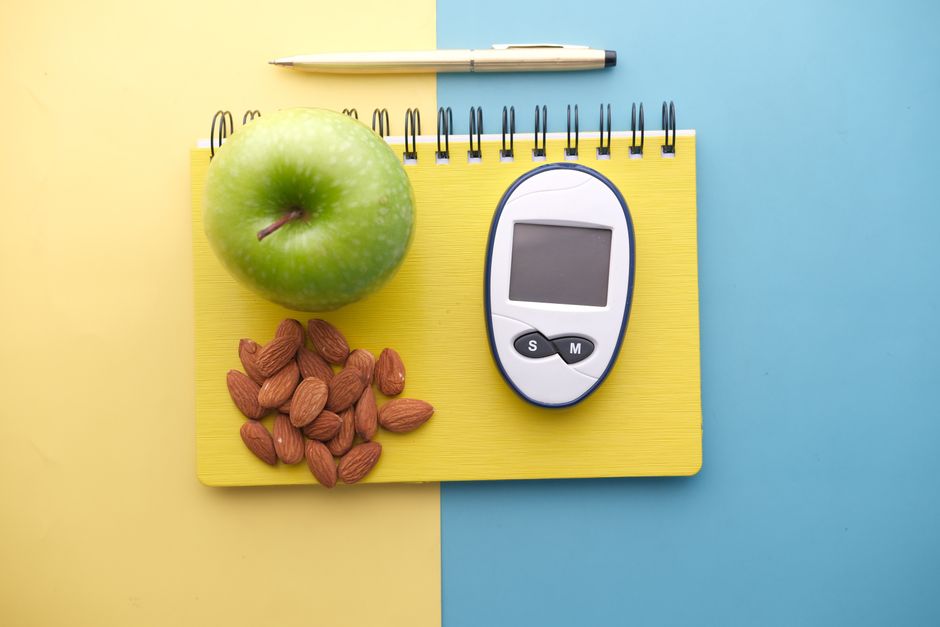
High blood sugar affects millions of Americans, and managing it often feels like a constant battle. The most effective natural strategies are daily movement, eating patterns that avoid large blood sugar spikes, and consistent sleep. These approaches work because they target how your body processes glucose, not just the number on your meter.
What Does High Blood Sugar Actually Do to Your Body?
When you eat, your body breaks down carbohydrates into glucose, which enters your bloodstream. Your pancreas releases insulin, a hormone that signals your cells to absorb that glucose for energy. When this system works well, your blood sugar rises modestly and returns to normal within a couple of hours.
In people with insulin resistance, cells respond poorly to insulin. The pancreas works harder to produce more insulin, but glucose still builds up in the blood. Over time, consistently high blood sugar damages blood vessels and nerves. This damage increases the risk of heart disease, kidney problems, and vision loss. Understanding this mechanism matters because it explains why lifestyle changes can be so powerful — they improve how your cells respond to insulin.
How To Manage High Blood Sugar Levels Naturally With Food Choices
Food is the most direct lever you control. The goal is not eliminating carbohydrates but choosing ones that digest slowly. Whole grains, legumes, vegetables, and most fruits release glucose gradually. Refined grains, sugary drinks, and processed snacks cause rapid spikes.
Fiber slows digestion and reduces the speed at which glucose enters your bloodstream. Adults should aim for roughly 25 to 38 grams of fiber daily, depending on age and sex. Most Americans get about half that amount. Increasing fiber through vegetables, beans, and whole fruits is a practical first step.
Protein and fat also slow glucose absorption. A meal of plain white rice raises blood sugar faster than the same rice eaten with chicken and vegetables. This does not mean you must avoid carbohydrates. It means pairing them with protein or fat at each meal helps stabilize your response.
Portion size still matters. Even healthy carbohydrates raise blood sugar when eaten in large amounts. A practical approach is the plate method: fill half your plate with non-starchy vegetables, one quarter with lean protein, and one quarter with whole grains or starchy vegetables. This structure requires no calorie counting and is easy to follow.
One non-obvious point: the order you eat foods matters. Some research suggests eating vegetables and protein before carbohydrates results in a smaller blood sugar rise after the meal. This is an emerging area, but it is low-risk and worth trying if you struggle with after-meal spikes.
Why Walking After Meals Helps Control Blood Sugar
Your muscles consume glucose without needing insulin. When you walk, contracting muscles pull glucose directly from your bloodstream. This is why movement is one of the most effective natural tools for blood sugar management.
A short walk after a meal — even 10 to 15 minutes — can noticeably reduce the post-meal glucose rise. The effect is strongest when you walk within 30 to 60 minutes after eating. This timing matters because blood sugar typically peaks about one hour after a meal.
Regular physical activity has a longer-term benefit. Exercise improves insulin sensitivity for up to 24 to 48 hours after a session. This means your cells respond better to insulin even on days you do not exercise. Both aerobic exercise like walking or cycling and resistance training like lifting weights improve insulin sensitivity. A combination of both appears most effective.
If you take medication for diabetes, talk to your doctor before starting a new exercise routine. Physical activity can lower blood sugar significantly, and your medication dose may need adjustment to prevent hypoglycemia.



Can Sleep and Stress Really Affect Blood Sugar?
Yes, and more than most people realize. Sleep deprivation increases insulin resistance. Even one night of poor sleep can impair how your body handles glucose the next day. Over time, chronic short sleep is linked to higher fasting blood sugar and a greater risk of developing type 2 diabetes.
Stress affects blood sugar through hormones. When you are stressed, your body releases cortisol and adrenaline. These hormones signal your liver to release stored glucose, providing quick energy for a perceived threat. For someone with insulin resistance, this glucose release can push blood sugar higher.
Chronic stress means repeated cortisol elevations, which can keep blood sugar levels consistently elevated. Sleep and stress management are not minor details. They are biological inputs that directly influence glucose metabolism.
Practical steps include aiming for 7 to 9 hours of sleep per night, keeping a consistent sleep schedule, and building stress reduction into your day. Deep breathing, meditation, or simple breaks from screens can help lower cortisol levels. These practices are not substitutes for medication or dietary changes, but they are genuine components of blood sugar management.
Which Supplements Have Real Evidence for Blood Sugar?
Many supplements claim to lower blood sugar. Few have strong evidence. You should know the difference before spending money.
Some research suggests berberine, a compound found in certain plants, can lower blood sugar similarly to some prescription medications. Studies have shown meaningful reductions in fasting blood sugar and HbA1c, a measure of average blood sugar over three months. However, berberine can cause digestive upset and may interact with other medications. No large long-term safety trials have established its safety profile.
Cinnamon is widely promoted for blood sugar control. Some small studies show modest benefits, but results are inconsistent. The evidence is not strong enough to recommend cinnamon as a treatment. The same applies to chromium, a mineral involved in carbohydrate metabolism. Some studies show benefit in chromium-deficient individuals, but most people with diabetes do not show significant improvement from supplementation.
Vitamin D deficiency is associated with poorer blood sugar control, and correcting a deficiency may improve insulin sensitivity. If you have not had your vitamin D level checked, ask your doctor about testing.
The honest position is this: no supplement replaces diet, exercise, and medication when needed. If you choose to try a supplement, tell your doctor. Some supplements interact with diabetes medications and can cause dangerously low blood sugar.
When Natural Management Is Not Enough
Lifestyle changes are powerful, but they do not work for everyone. Genetics, the duration of your condition, and your body’s insulin production all influence whether lifestyle alone can control blood sugar. Some people can manage type 2 diabetes for years with diet and exercise alone. Others need medication from the start.
This is not a personal failure. Diabetes is a progressive condition for many people. The natural insulin production in your pancreas can decline over time, meaning your body eventually needs more help. Taking medication when your blood sugar remains high is protecting your body from damage, not giving up on healthy habits.
Your blood sugar targets depend on your individual situation. Most non-pregnant adults with diabetes aim for a fasting blood sugar between 80 and 130 mg/dL and a reading under 180 mg/dL one to two hours after meals. Your doctor may set different targets based on your age, other health conditions, and how long you have had diabetes.
See a doctor if you have symptoms of high blood sugar — increased thirst, frequent urination, unexplained weight loss, or blurry vision. Also see a doctor if your home blood sugar readings are consistently above your target range despite your best lifestyle efforts. Untreated high blood sugar causes silent damage over time.
Can You Reverse High Blood Sugar?
Partial reversal is possible for some people. If you have prediabetes or early type 2 diabetes, losing weight and increasing physical activity can return blood sugar to normal ranges. This is called remission, meaning your blood sugar stays in a healthy range without medication.
Remission is most likely in people who lose significant weight — often 10 percent or more of their body weight — and who have had diabetes for a shorter duration. It is less likely in people who have had diabetes for many years or who require insulin therapy.
Remission does not mean cured. If you regain weight or stop exercising, blood sugar typically rises again. The underlying genetic tendency toward insulin resistance remains. Remission means you are managing the condition so effectively that your blood sugar no longer meets the definition of diabetes.
Even if you do not achieve full remission, every improvement in blood sugar reduces your risk of complications. A 1 percent reduction in HbA1c is associated with a significantly lower risk of eye, kidney, and nerve damage. Modest changes produce meaningful protection.
How Quickly Do Lifestyle Changes Lower Blood Sugar?
Some changes work within days. Reducing sugary drinks and refined carbohydrates can lower after-meal blood sugar almost immediately. Exercise improves insulin sensitivity within hours to days.
Weight loss takes longer to affect blood sugar. Fat loss, particularly around the abdomen, improves insulin sensitivity, but this process takes weeks to months. Fasting blood sugar often improves more slowly than after-meal readings.
If you are checking your blood sugar at home, focus on trends over weeks, not single readings. One high reading is not a failure. A pattern of improving readings over a month shows your efforts are working.
If you have not seen improvement after three months of consistent lifestyle changes, talk to your doctor. You may need additional support, including medication. Waiting longer while blood sugar stays high allows continued damage to occur.
Frequently Asked Questions
What is the fastest way to lower blood sugar naturally?
Walking or other moderate exercise for 10 to 15 minutes after a meal is the fastest natural way to lower blood sugar. Drinking water and avoiding additional carbohydrates also help.
Does drinking water lower blood sugar?
Water helps your kidneys flush excess glucose through urine, but it does not directly lower blood sugar. Staying well-hydrated does help your body function more efficiently, and dehydration can concentrate blood sugar.
Can apple cider vinegar lower blood sugar?
Some small studies suggest vinegar taken before meals may modestly reduce the blood sugar rise after eating. The evidence is limited, and vinegar should not replace proven treatments.
Is it safe to manage high blood sugar without medication?
It depends on your blood sugar levels. People with prediabetes or mild diabetes may manage with lifestyle changes under medical supervision, but people with significantly elevated blood sugar usually need medication to prevent complications.
