
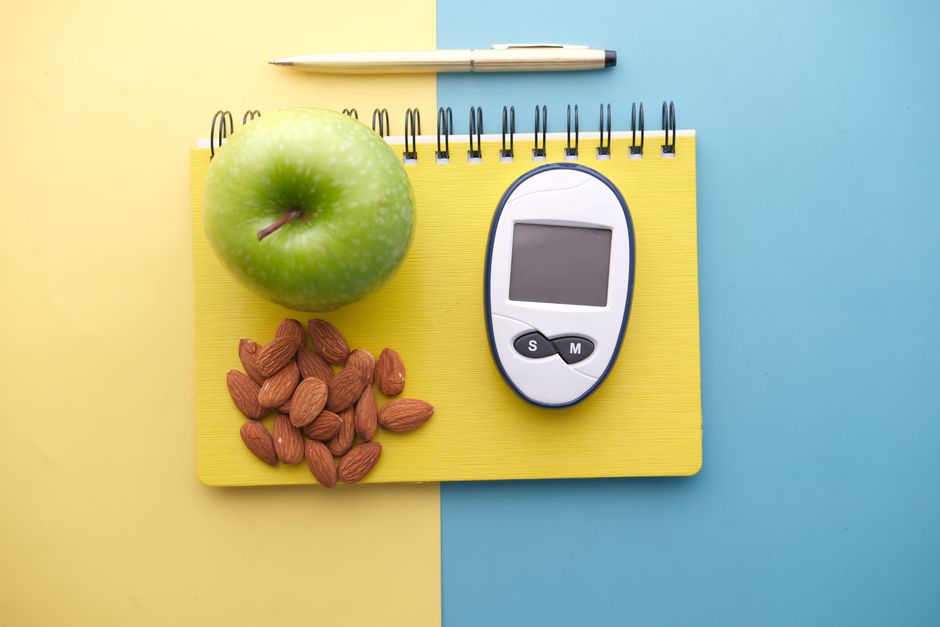
High blood sugar affects millions of Americans, and many want to know what they can do about it without adding another prescription to their daily routine. The good news is that several natural approaches have solid evidence behind them. The most effective steps are moving your body after meals, eating fiber before carbs, drinking enough water, managing stress, and getting consistent sleep. The nine steps below cover the full picture — from what you eat to when you eat it — so you can build a plan that actually works.
How To Lower Blood Sugar Naturally 9 Simple Steps?
These nine steps are ordered roughly from the most immediate impact to the longer-term habits that keep blood sugar stable over months and years. You do not need to adopt all nine at once. Even two or three of these changes can meaningfully improve your numbers.
- Walk for 10 minutes after meals. Muscle contractions help your cells take up glucose without needing as much insulin.
- Eat fiber before carbohydrates. Vegetables or beans first slow down how fast sugar enters your bloodstream.
- Drink water throughout the day. Mild dehydration concentrates your blood and makes glucose readings higher.
- Choose whole grains over refined grains. Brown rice, oats, and quinoa release sugar more slowly than white bread or white rice.
- Add protein to every meal. Protein slows stomach emptying and reduces the glucose spike after eating.
- Include vinegar with meals. A small amount of vinegar with a high-carb meal can modestly reduce post-meal glucose.
- Manage stress with deep breathing. Stress hormones tell your liver to release stored sugar.
- Sleep seven to nine hours. Short sleep raises insulin resistance even in healthy people.
- Eat on a consistent schedule. Irregular meal times make blood sugar harder to control.
Why Does Walking After Meals Lower Blood Sugar?
Walking after a meal works through basic muscle physiology. When your muscles contract, they can pull glucose from your blood without needing insulin to open the door. This is called insulin-independent glucose uptake, and it is one of the most reliable ways to blunt a post-meal spike.
Research consistently shows that a 10 to 15 minute walk within an hour after eating lowers the glucose peak compared to sitting still. The effect is strongest after dinner, which is often the largest and most carb-heavy meal of the day.
You do not need a brisk pace. A comfortable walking speed is enough to trigger the effect. The key is timing — moving shortly after the meal, not three hours later.
Does the Order of Eating Really Matter?
Yes, and the evidence here is surprisingly strong. Several studies have found that eating vegetables and protein before the carbohydrate portion of a meal reduces the glucose spike compared to eating the same foods in the opposite order.
The mechanism is straightforward. Fiber and protein slow how quickly the stomach empties into the small intestine. When carbs arrive later, they are absorbed over a longer period rather than all at once. This flattens the curve.
A practical example: if your plate has chicken, broccoli, and rice, eat the chicken and broccoli first. Save the rice for last. It is the same meal with the same calories — just a different sequence.
Some research suggests the effect is modest but meaningful, roughly similar to what you might expect from a low-dose diabetes medication. It is not a replacement for medication, but it is a free and easy addition.



Which Foods Lower Blood Sugar Most Effectively?
No single food lowers blood sugar on its own. What matters is the overall pattern of your plate.
Foods high in soluble fiber — oats, barley, beans, lentils, apples, and carrots — slow carbohydrate digestion. The fiber forms a gel-like substance in the gut that delays glucose absorption.
Nuts and seeds add healthy fat and protein, both of which slow digestion. A small handful of almonds with a piece of fruit produces a smaller glucose response than the fruit alone.
Foods with acetic acid, like vinegar-based dressings, have shown a modest glucose-lowering effect in some studies. The effect is not large, but it is real and consistent across multiple trials.
Cinnamon is frequently mentioned online, but the evidence is mixed. Some small studies show a small benefit; others show none. The effect, if it exists, is minor. Do not rely on cinnamon as a treatment.
How Much Water Do You Need for Blood Sugar Control?
Dehydration directly affects blood glucose readings. When you are low on fluids, your blood becomes more concentrated, and glucose levels read higher.
There is no specific water intake proven to lower blood sugar beyond correcting dehydration. The general guidance of roughly eight cups per day is reasonable for most adults, but your needs depend on your body size, activity level, and climate.
One practical signal: if your urine is dark yellow, you are likely underhydrated. Drinking enough water to keep urine light yellow is a simple, safe target.
Sugary drinks are the exception. Juice, soda, and sweetened coffee drinks raise blood sugar quickly. Water, unsweetened tea, and sparkling water are the safest choices.
Does Stress Really Raise Blood Sugar?
Stress raises blood sugar through hormones, not through willpower. When you are stressed, your body releases cortisol and adrenaline. Both signal the liver to release stored glucose into the bloodstream to fuel a fight-or-flight response.
This is an ancient survival mechanism. The problem is that modern stress is chronic — work deadlines, traffic, family conflict — so the liver keeps releasing glucose that your muscles never use.
Deep breathing exercises, particularly slow exhales, activate the parasympathetic nervous system. This counters the stress response and can reduce stress-related glucose spikes over time.
The evidence for stress reduction techniques is not as strong as the evidence for exercise or diet changes. But the physiology is clear, and the side effects of deep breathing are essentially zero.
Why Does Sleep Affect Blood Sugar?
Sleep is when your body repairs tissues and resets hormone levels. Skimping on sleep disrupts this process in ways that directly affect glucose control.
Even one night of short sleep — four hours instead of eight — can increase insulin resistance the next day in healthy adults. Chronic short sleep is associated with higher fasting glucose and a higher risk of developing type 2 diabetes.
The mechanism involves several pathways. Short sleep raises cortisol, increases hunger hormones, and reduces the brain’s sensitivity to insulin. All of these push blood sugar upward.
Consistent sleep timing matters as much as duration. Going to bed and waking at roughly the same time every day, including weekends, helps stabilize your circadian rhythm and improves glucose metabolism.
Can Vinegar and Other Kitchen Remedies Help?
Vinegar is the kitchen remedy with the most supporting evidence. Studies have found that consuming 1 to 2 tablespoons of vinegar diluted in water before a high-carb meal can reduce the post-meal glucose spike by a modest amount.
The effect appears strongest in people with insulin resistance or prediabetes. In people with normal glucose metabolism, the effect is smaller or sometimes absent.
Do not drink vinegar undiluted. It can damage tooth enamel and irritate the esophagus. Always mix it with water or use it in a salad dressing.
Other popular remedies — cinnamon, bitter melon, fenugreek, and apple cider vinegar gummies — have weaker or inconsistent evidence. Some show small effects in small studies. None has the strength of evidence to be called a reliable treatment.
When Should You See a Doctor About High Blood Sugar?
Natural approaches are valuable, but they are not a substitute for medical care when blood sugar is significantly elevated.
See a doctor if you have any of these signs: fasting glucose above 100 mg/dL on a blood test, symptoms like frequent urination or excessive thirst, or a family history of diabetes combined with any risk factors.
A single high reading is not a diagnosis. But if you have repeated high readings at home, or if a lab test shows prediabetes or diabetes, you need medical guidance. Natural approaches can complement treatment, but they should not replace it.
If your blood sugar is above 240 mg/dL with symptoms like nausea, vomiting, or confusion, seek medical attention promptly. These can be signs of a serious condition called diabetic ketoacidosis.
Frequently Asked Questions
How quickly can I lower my blood sugar naturally?
Walking for 10 to 15 minutes after a meal can lower your glucose peak within 30 to 60 minutes. Longer-term changes like improved sleep and consistent meal timing take days to weeks to show measurable effects.
What is the fastest way to lower blood sugar at home?
Physical activity is the fastest reliable method because working muscles pull glucose from the blood without needing insulin. Drinking water helps if you are dehydrated, but it does not directly lower glucose the way exercise does.
Can drinking water lower blood sugar?
Water lowers blood sugar only if you are dehydrated. It works by diluting the blood and helping your kidneys flush out excess glucose, but it cannot correct a high reading caused by a large meal or insufficient insulin.
Is it safe to lower blood sugar without medication?
It depends on your current levels. For prediabetes or mild type 2 diabetes, lifestyle changes are often the first recommended step. If your blood sugar is significantly elevated, medication may be necessary and lifestyle changes should support — not replace — medical treatment.
