
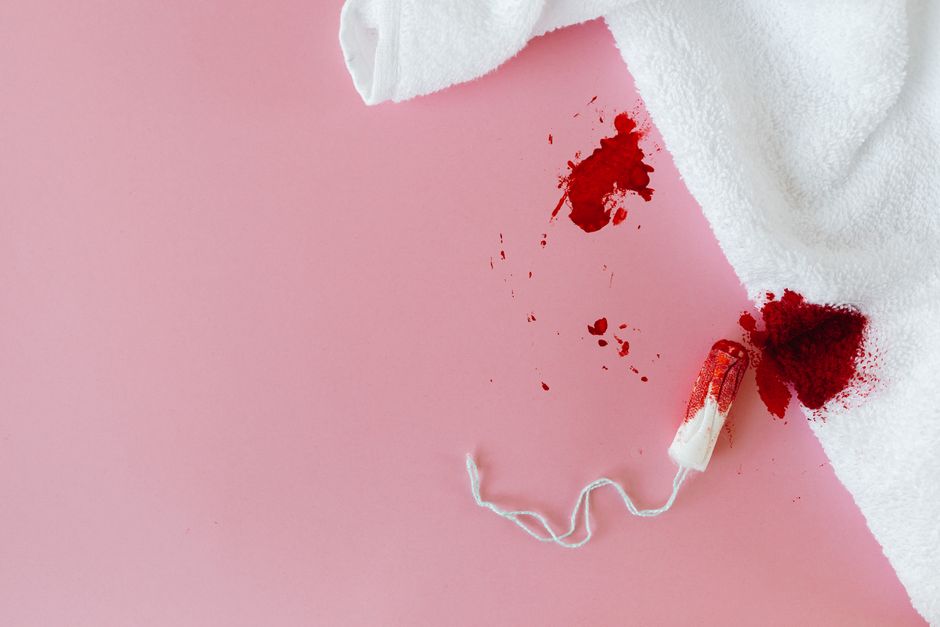
Blood clots are the body’s emergency repair system. They stop bleeding when you are injured. But when a clot forms inside a vein or artery without injury, it can block blood flow and become dangerous. The question of whether you can dissolve a clot naturally has a clear answer: your body already does this on its own. The real question is whether you can speed that process up or prevent clots from forming in the first place.
How Does The Body Dissolve Blood Clots On Its Own?
Your body has a built-in clot removal system. It is called fibrinolysis. When a clot has done its job, an enzyme called plasmin breaks it down. Plasmin cuts the fibrin mesh that holds the clot together. The clot dissolves into fragments that your bloodstream clears away.
This process is constant. Your body is always balancing clot formation and clot breakdown. Healthy blood vessels keep this balance working. When the balance tips too far toward clotting, problems start.
Medical treatments for dangerous clots work by helping this natural system. Clot-busting drugs like tPA are synthetic versions of substances your body already makes. They do not introduce a foreign process. They amplify what your body does naturally.
What Foods And Nutrients Support Healthy Blood Flow?
Some foods contain compounds that may slow clot formation. None of them dissolve an existing clot. That distinction matters. Eating certain foods can support your body’s natural balance, but no food has been shown to break down a clot that already formed.
Foods rich in vitamin K affect clotting. Vitamin K helps your liver make clotting factors. If you take blood thinners like warfarin, you need to keep your vitamin K intake steady. Sudden changes in leafy green vegetables can change how your medication works.
Other nutrients get attention for their effects on blood flow:
- Omega-3 fatty acids from fish like salmon and mackerel can reduce platelet aggregation. Platelets are cells that clump together to form clots. Less clumping means less clot formation.
- Garlic contains compounds that may slightly reduce platelet stickiness. The effect is modest and varies from person to person.
- Ginger has similar mild anti-clotting properties. Research on its effect in humans is limited.
- Vitamin E can interfere with platelet function at high doses. The amounts in food are unlikely to matter.
- Water keeps blood volume normal. Dehydration makes blood more concentrated, which can increase clotting risk.
These foods support cardiovascular health. They are not treatments. A person with a confirmed blood clot needs medical care, not dietary changes alone.
Can Exercise Help Prevent Or Dissolve Blood Clots?
Regular physical activity reduces your risk of developing blood clots. Movement keeps blood circulating. Your calf muscles act as a pump when you walk. They push blood from your legs back toward your heart. When blood pools in the legs, clots are more likely to form.
Exercise also improves overall cardiovascular health. It helps maintain healthy blood pressure and cholesterol levels. Both of those matter for clot risk. People who exercise regularly have lower rates of venous thromboembolism, the medical term for blood clots in veins.
Exercise does not dissolve an existing clot. If you have a diagnosed clot, especially in your leg or lung, you need to follow your doctor’s instructions about activity. Some people with clots are told to rest. Others are encouraged to walk. The right advice depends on the clot’s location and size.
What Natural Substances Are Studied For Blood Thinning Effects?
Several natural compounds have been studied for their effects on blood clotting. The evidence for most of them is preliminary. Some research suggests they may have mild effects. None have been proven to dissolve existing clots.
Nattokinase is an enzyme from fermented soybeans. Some laboratory studies have shown it can break down fibrin, the protein that forms the structure of clots. Small human studies have looked at its effects on blood thickness. The evidence is not strong enough to recommend it as a treatment for clots. It can interact with blood-thinning medications and increase bleeding risk.
Bromelain is an enzyme found in pineapple stems. It has anti-inflammatory properties. Some research suggests it may affect platelet function. Its effect on existing clots has not been established in human trials.
Curcumin, the active compound in turmeric, has anti-inflammatory effects. Some studies show it can reduce platelet aggregation. The effect is mild and the research is mixed.
Ginkgo biloba and ginseng are sometimes marketed for circulation. Both can affect bleeding risk. Neither has been shown to dissolve clots.
The pattern is consistent across these substances. They may influence how blood clots form. They do not dissolve clots that already exist. Anyone taking blood thinners should talk to their doctor before using any of these supplements. The combination can cause dangerous bleeding.
What Are The Warning Signs Of A Dangerous Blood Clot?
Blood clots become emergencies when they block blood flow to vital organs. A clot in the leg is called deep vein thrombosis, or DVT. It can cause swelling, pain, warmth, and redness in one leg. The symptoms often start in the calf.
A clot that travels to the lungs is a pulmonary embolism. This is a medical emergency. Symptoms include sudden shortness of breath, chest pain that worsens with deep breathing, rapid heart rate, and coughing up blood. Some people feel lightheaded or faint.
Clots in the brain cause strokes. Clots in the heart cause heart attacks. Both require immediate emergency care.
If you experience any of these symptoms, call emergency services. Do not wait to see if natural remedies help. Natural approaches have no role in treating an active clot emergency.
What Are The Proven Medical Treatments For Blood Clots?
Doctors treat blood clots with medications called anticoagulants. These drugs do not dissolve clots directly. They prevent new clots from forming while your body breaks down the existing one. The process takes time. Most clots resolve within weeks to months.
Common anticoagulants include warfarin, heparin, and direct oral anticoagulants like apixaban and rivaroxaban. These medications are highly effective. They also carry bleeding risks. Dosing must be managed carefully by a healthcare provider.
For severe clots, doctors may use thrombolytics. These are clot-dissolving drugs given in emergency situations. They work quickly but carry significant bleeding risk. They are reserved for life-threatening situations like massive pulmonary embolism or stroke.
In some cases, doctors use procedures to remove clots. Catheter-directed thrombolysis delivers clot-busting medication directly to the clot. Surgical thrombectomy physically removes the clot. These are invasive options used when medications are not enough.
Who Is At Higher Risk For Blood Clots?
Certain situations increase your risk of developing blood clots. Prolonged immobility is a major factor. Long flights, bed rest after surgery, or a sedentary lifestyle all allow blood to pool in the legs.
Medical conditions that increase clotting risk include cancer, heart failure, and inflammatory diseases. Genetic conditions like Factor V Leiden make some people more prone to clotting. Pregnancy and the postpartum period also raise risk. Hormonal birth control and hormone replacement therapy can increase clot risk, especially in people who smoke.
Age matters. Risk increases after age 60. Obesity, smoking, and high blood pressure all contribute. If you have multiple risk factors, your doctor may recommend preventive measures. These can include blood thinners, compression stockings, or specific movement protocols.
How To Dissolve Blood Clots Naturally: What The Evidence Actually Shows
There is no natural remedy that dissolves an existing blood clot. The evidence does not support that claim. What natural approaches can do is support your body’s healthy balance between clotting and bleeding. That balance is what prevents most clots from forming in the first place.
Your body dissolves clots on its own through fibrinolysis. You can support this system by staying active, drinking enough water, eating a balanced diet, and managing conditions like high blood pressure and diabetes. These habits reduce your risk of forming clots. They do not treat clots that already exist.
If you have been diagnosed with a blood clot, follow your doctor’s treatment plan. Natural approaches can be part of a healthy lifestyle, but they cannot replace proven medical care. If you are at risk for clots, talk to your doctor about prevention strategies before you need treatment.
Frequently Asked Questions
Can apple cider vinegar dissolve blood clots?
No evidence supports this claim. Apple cider vinegar has not been shown to dissolve blood clots in any human study.
Can walking help prevent blood clots?
Yes, regular walking helps keep blood circulating and reduces your risk of developing blood clots. Walking does not dissolve a clot that has already formed.
How long does it take for the body to dissolve a blood clot?
Most blood clots dissolve within weeks to months when treated with anticoagulant medications. The timeline depends on the clot’s size, location, and your overall health.
Should I take supplements instead of prescribed blood thinners?
No. Prescribed blood thinners are proven to prevent dangerous clot growth. Supplements have not been shown to provide the same protection and can interact dangerously with your medication.
