
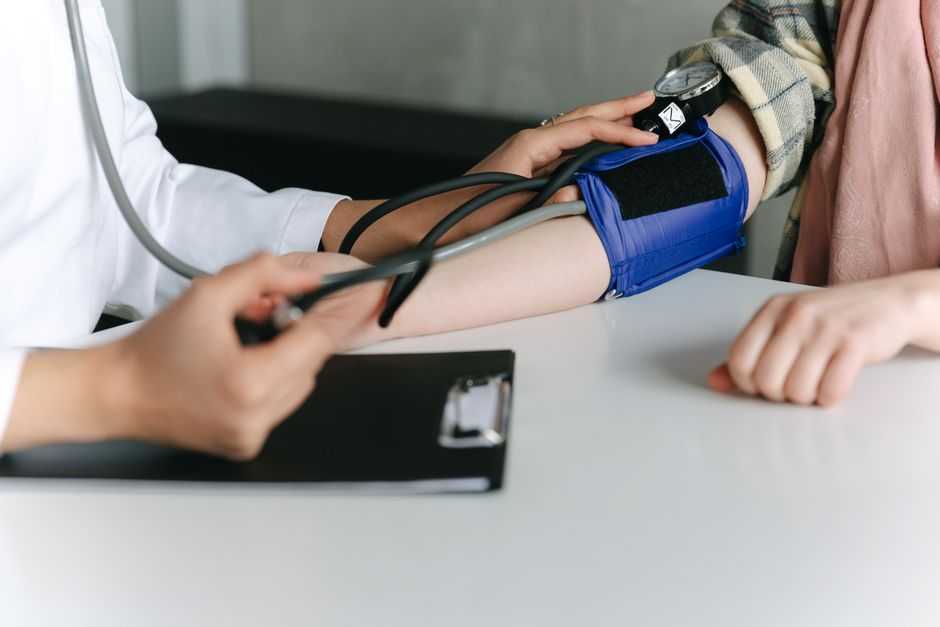
High blood sugar does not have to be a life sentence of confusion and fear. For most people with type 2 diabetes or prediabetes, daily choices about food, movement, and stress have a direct and measurable effect on glucose levels. You can lower high blood sugar at home by changing what you eat, moving your body after meals, drinking enough water, and getting consistent sleep. These are not vague wellness tips. They are physiological levers that work through established mechanisms in your body. The key is knowing which levers matter most and how to pull them correctly.
Why Does Blood Sugar Spike in the First Place?
Blood sugar rises when carbohydrates from food break down into glucose and enter your bloodstream. In a healthy person, the pancreas releases insulin, which signals cells to open up and absorb that glucose for energy. In type 2 diabetes, cells become resistant to that signal. The pancreas works harder to produce more insulin, but eventually it cannot keep up. Glucose stays in the blood instead of entering cells.
This is why two people can eat the same meal and have very different blood sugar responses. It is not about willpower. It is about how efficiently your body handles glucose. The good news is that lifestyle changes can improve insulin sensitivity over time. When your cells respond better to insulin, your blood sugar naturally comes down.
What Foods Lower Blood Sugar Quickly and Safely?
No single food will magically erase a high reading. But the right food choices can stop blood sugar from climbing further and help your body process what is already there. Fiber is the most important nutrient for blood sugar control. Soluble fiber, found in oats, beans, apples, and carrots, forms a gel-like substance in your gut that slows digestion. That means glucose enters your bloodstream more gradually.
Protein and healthy fats also slow the release of sugar into your blood. A meal of grilled chicken, roasted vegetables, and a small portion of brown rice will produce a much gentler glucose curve than a bowl of white pasta. The order you eat matters too. Some research suggests that eating vegetables and protein before carbohydrates can blunt the post-meal spike. This is a simple change that costs nothing and requires no special equipment.
Vinegar has also shown promise in some studies. Taking a tablespoon of apple cider vinegar diluted in water before a high-carb meal may modestly reduce the blood sugar response. The evidence is not strong enough to call it a treatment, but it is a low-risk strategy some people find helpful. Never drink vinegar undiluted. It can damage tooth enamel and irritate your throat.
How Does Exercise Lower Blood Sugar?
Muscle contractions do something remarkable. They allow your muscles to take up glucose from the blood without needing insulin. This is why a single bout of exercise can lower blood sugar within hours. The effect is not permanent, but it is real and repeatable.
Walking for 10 to 15 minutes after a meal is one of the most effective home strategies for lowering post-meal blood sugar. The timing matters. Your blood sugar typically peaks about 60 to 90 minutes after you start eating. A short walk during that window helps your muscles absorb some of that glucose before it lingers.
Resistance training builds muscle mass, and more muscle means more places for glucose to go. Over weeks and months, regular strength training improves your baseline insulin sensitivity. You do not need a gym. Bodyweight exercises like squats, lunges, and push-ups work. The goal is to move your large muscle groups regularly, not to exhaust yourself.

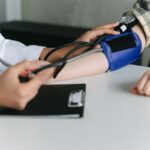
How To Lower High Blood Sugar At Home Naturally With Hydration and Sleep
Water is not a treatment for high blood sugar, but dehydration makes it worse. When you are dehydrated, your blood becomes more concentrated. Your kidneys also need water to flush excess glucose out through urine. Drinking enough water helps your body remove some sugar, but it will not fix the underlying problem of insulin resistance. Aim for consistent hydration throughout the day rather than chugging large amounts all at once.
Sleep is the most underrated blood sugar tool. Poor sleep increases cortisol, a stress hormone that tells your liver to release stored glucose. One night of short sleep can measurably reduce insulin sensitivity the next morning. Chronic sleep deprivation is linked to worse blood sugar control in people with type 2 diabetes. If you are sleeping fewer than seven hours a night, fixing that may do more for your blood sugar than any supplement you can buy.
Stress management works through the same pathway. Chronic stress keeps cortisol elevated, which keeps blood sugar elevated. Deep breathing, meditation, or even a few minutes of quiet can lower cortisol. These practices are not mystical. They have measurable effects on stress hormones.
What About Supplements for Blood Sugar?
The supplement aisle is full of products claiming to lower blood sugar. Most of them have weak evidence behind them. Cinnamon, berberine, chromium, and alpha-lipoic acid all have some research support, but the studies are often small, short, or inconsistent.
Berberine has the strongest evidence of any supplement for blood sugar. Some studies suggest it can lower fasting blood sugar similarly to metformin, a common diabetes medication. But berberine is not a harmless herb. It can cause digestive distress and interacts with other medications. You should not take it without discussing it with your doctor.
The honest position on most supplements is this: no pill replaces the fundamentals of diet, exercise, and sleep. If you want to try a supplement, talk to your doctor first. Be skeptical of any product that promises dramatic results. If a supplement truly worked as well as medication, it would be regulated as medication.
When Is High Blood Sugar an Emergency?
Most high blood sugar readings can be managed at home with the strategies above. But some situations require immediate medical attention. If your blood sugar is consistently above 240 mg/dL and you are experiencing nausea, vomiting, abdominal pain, or difficulty breathing, you need urgent care. These can be signs of diabetic ketoacidosis, a dangerous condition where acids build up in your blood.
Very high blood sugar over several days can also cause severe dehydration. If you cannot keep fluids down, or if you feel confused, drowsy, or unusually weak, seek medical help. Do not try to manage these symptoms at home.
If you take insulin, be especially careful. Missing doses or taking incorrect amounts can lead to dangerous swings. Always have a plan for what to do when your blood sugar is dangerously high, and make sure someone close to you knows that plan.
How Long Does It Take To See Results?
Some changes happen fast. A single post-meal walk can lower your blood sugar within an hour. Cutting out sugary drinks can improve your readings within days. Other changes take longer. Insulin sensitivity improves gradually over weeks of consistent exercise and dietary changes. You may not see dramatic changes on your glucose meter immediately, but the long-term trend matters more than any single reading.
If you have been managing high blood sugar for weeks without improvement, see your doctor. You may need medication adjustments. Lifestyle changes are powerful, but they are not always enough. There is no shame in needing medication. Diabetes is a progressive condition, and treatment plans need to evolve over time.
Frequently Asked Questions
Can drinking water lower blood sugar quickly?
Drinking water helps your kidneys flush excess glucose through urine, but the effect is modest and gradual. It will not rapidly drop a dangerously high reading, so treat water as support, not treatment.
What is the fastest way to lower blood sugar at home?
A short walk or light exercise within 30 minutes after eating is the fastest natural way to lower blood sugar because working muscles absorb glucose without needing insulin. If exercise is not possible, eating a high-fiber, low-carb meal and staying hydrated are your next best options.
Does apple cider vinegar really lower blood sugar?
Some small studies suggest that vinegar taken before a high-carb meal can modestly reduce the post-meal glucose spike. The effect is inconsistent across studies, and vinegar should always be diluted before drinking to protect your teeth and throat.
Is it safe to lower blood sugar at home without medication?
For mild to moderate elevations in people with prediabetes or well-controlled type 2 diabetes, lifestyle changes are a safe first step. If your blood sugar is consistently high, if you take insulin, or if you have other health conditions, these strategies should support your treatment plan rather than replace it.
