
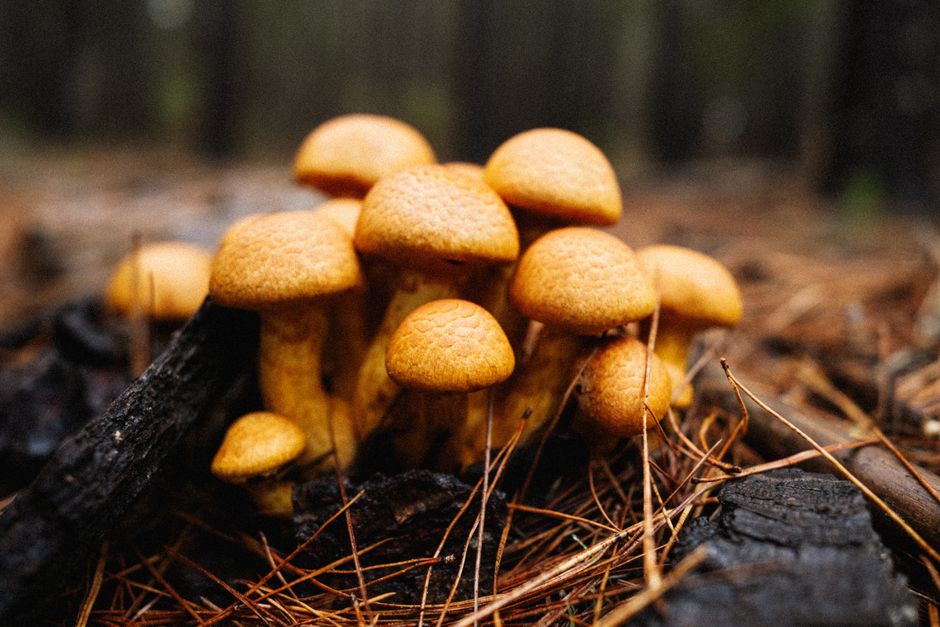
What you eat around a psilocybin experience matters less than most online guides suggest. There is no research-backed menu that improves a trip. The most reliable advice is to keep food light, avoid heavy or greasy meals beforehand, and drink water throughout. If you take a prescription medication, especially one for depression, anxiety, or migraine, talk to a doctor before using psilocybin at all.
Psilocybin is the psychoactive compound in “magic mushrooms.” It is illegal in most of the United States and remains a Schedule I substance under federal law. Most human research happens in controlled clinical settings with medical supervision. The food guidance below draws on general physiology and on what researchers report from those supervised studies, not from controlled trials on diet and psilocybin.
Does What You Eat Before Shrooms Actually Change the Experience?
Food affects how you feel during a psilocybin experience mainly through digestion, blood sugar, and nausea. It does not appear to change the core psychological effects in a predictable way.
Psilocybin itself is not the active compound that reaches your brain. The body converts it into psilocin, which is what produces the effects. This conversion happens after you swallow the mushrooms, so whatever is already in your stomach can influence how quickly that process unfolds. A full stomach can slow absorption. An empty stomach can speed it up. Neither one has been shown to reliably make an experience stronger, weaker, safer, or more meaningful.
The more practical issue is nausea. Mushroom nausea is one of the most commonly reported physical effects in clinical research. Psilocin interacts with serotonin receptors in the gut, and the mushroom material itself is difficult to digest. A heavy meal sitting in your stomach when nausea hits tends to make things worse, not better.
What many people describe as a “better trip” from a particular food may have more to do with comfort and anxiety than with pharmacology. Feeling physically settled going in tends to make any intense experience easier to handle.
What To Eat Before Shrooms
Light, familiar, low-fat food is the safest choice in the hours before. You are not trying to optimize anything. You are trying to avoid adding stomach trouble to an already intense experience.
A common approach in supervised settings is to eat normally earlier in the day, then stop eating for a few hours before. Some researchers suggest fasting overnight or for several hours. This is done to reduce nausea and vomiting, not to boost the effects. It is worth being clear that this is a practical convention, not a finding from controlled trials comparing fasting to eating.
If you do eat in the hours before, foods that tend to sit well include:
- Plain toast, crackers, or a small bowl of rice
- A banana or other soft fruit
- Plain yogurt or a small amount of eggs
- Clear broth or a light soup
Foods that tend to cause problems include anything greasy, fried, or very spicy. Large portions of red meat, heavy cream sauces, and big fiber-heavy meals are slow to leave the stomach. Alcohol the night before or the day of is a poor idea for reasons that have nothing to do with the mushrooms.
If you take a medication, this is the point where the food question stops being the important one. Drugs that act on serotonin, including many antidepressants, migraine medications, and some pain medications, can interact with psilocybin. This is a conversation to have with a doctor or pharmacist, not a search engine.
What To Eat During Shrooms
Most people do not want to eat during a psilocybin experience. Appetite often drops, and food can taste strange or feel unappealing. Forcing a meal is not necessary.
Water is the main thing worth paying attention to. Vomiting and sweating can both lead to fluid loss, and some people forget to drink for hours. Sipping water steadily is more useful than drinking a large amount at once. An electrolyte drink can help if you have been vomiting, though there is no research on this specifically during psilocybin use.
If you feel like eating something, keep it simple. Crackers, plain fruit, or a small amount of bread are easier than anything rich. Ginger tea or a ginger chew is a traditional remedy for nausea. The evidence for ginger against general nausea is modest and mixed. There is no research on ginger for psilocybin-related nausea specifically.
Avoid alcohol and cannabis during the experience. Both can intensify disorientation and make it harder to track what is happening. Caffeine can add to anxiety and jitteriness, which is the last thing you want if the experience turns difficult.
One practical point that gets lost: if you are in a supervised clinical setting, follow the study team’s instructions on food and drink rather than any general guidance. Their protocol exists for a reason.



What To Eat After Shrooms
After the effects wear off, most people feel tired, wrung out, and hungry. Eating something plain and easy is usually the right move.
The main goals are rehydration and a gentle return to normal eating. Start with water and something light. If you feel fine, you can eat a normal meal. If your stomach is still unsettled, go slowly.
Foods that tend to work well afterward:
- Toast, rice, or plain pasta
- Bananas and other soft fruit
- Eggs, yogurt, or a light soup
- Plain chicken or fish if you feel ready for protein
Some people report feeling low or emotionally raw in the days after a psilocybin experience. There is no specific food that fixes this. Eating regularly, staying hydrated, and sleeping are the basics. If low mood or anxiety persists, that is a reason to talk to a doctor, not to adjust your diet.
If you took a large dose or had a difficult experience, give yourself a full day before expecting to feel normal. Fatigue and a heavy, foggy feeling the next day are commonly reported. It is not a sign that something went wrong.
Foods and Supplements That Interact With Psilocybin
The interaction that matters most is not food. It is medication.
Psilocybin works through serotonin receptors. Drugs that also act on serotonin can combine with it in ways that are not well understood and, in rare cases, could be dangerous. This includes many antidepressants, especially SSRIs and SNRIs, as well as triptans used for migraine, tramadol, and some other pain and nausea medications. There is no reliable way to predict who will have a problem. The safe move is to ask a doctor or pharmacist before combining anything.
On the food side, there is no well-established list of foods that interact with psilocybin. Some people avoid aged cheese, cured meats, and fermented foods out of concern about tyramine. Tyramine reactions are a real issue with a specific class of older antidepressants called MAOIs. If you take an MAOI, that concern is legitimate and worth discussing with your prescriber. For everyone else, there is no strong evidence that these foods matter with psilocybin.
Supplements marketed as “trip enhancers” or “mushroom boosters” have no clinical evidence behind them. Treat those claims with skepticism.
Is Fasting Before Shrooms a Good Idea?
Fasting for several hours before is common in clinical research and among experienced users. It is done to reduce nausea, not to intensify effects.
The evidence here is thin. There are no controlled trials comparing fasting to eating before psilocybin. The reasoning is straightforward: an empty stomach means less material to vomit and less digestive discomfort. That is a reasonable rationale, but reasonable rationale is not the same as proven benefit.
Fasting is not right for everyone. If you have diabetes, low blood sugar issues, a history of disordered eating, or you are pregnant or breastfeeding, fasting is not a good idea. No clinical guidelines exist for psilocybin use in pregnancy or breastfeeding, and the safest position is to avoid it entirely in those situations.
For most healthy adults, a few hours without food is a low-risk choice. Skipping food for a full day is not necessary and can leave you shaky and anxious going in, which is the opposite of helpful.
What About Nausea and Vomiting?
Nausea is one of the most commonly reported physical effects of psilocybin, and vomiting happens too. It is not a sign that something has gone wrong.
Psilocin activates serotonin receptors in the gut, which can trigger nausea directly. The mushroom material is also hard to break down, which adds to the problem. Eating lightly beforehand is the main practical step. Beyond that, lying still, breathing slowly, and sipping water can help.
Some clinicians prescribe an anti-nausea medication in supervised settings. Do not take one on your own without checking with a doctor, because some anti-nausea drugs interact with serotonin and could add risk.
If vomiting is severe, lasts for many hours, or you cannot keep water down, that is a reason to seek medical care. Dehydration is the concern, not the psilocybin itself.
Frequently Asked Questions
Should I eat before taking shrooms?
Keep it light or skip food for a few hours beforehand. A heavy or greasy meal can make nausea worse, and there is no evidence that any specific food improves the experience.
Can I eat during a shroom trip?
You can, but most people do not feel like it. Water is the main thing to focus on, and plain foods like crackers or fruit are easiest if you do want something.
Does fasting make shrooms stronger?
Fasting may speed up how quickly you feel the effects, but it has not been shown to make the experience stronger. In clinical research, fasting is used mainly to reduce nausea.
What should I avoid eating before shrooms?
Avoid heavy, greasy, or very spicy meals, and skip alcohol and caffeine. If you take an antidepressant, migraine medication, or other serotonin-acting drug, talk to a doctor before using psilocybin at all.
