

Period cramps can stop your day cold. The pain comes from your uterus contracting to shed its lining. For many people, the right diet and a few targeted habits can make a real difference in how intense those cramps feel. The most effective approach combines anti-inflammatory foods, steady hydration, and gentle movement, while limiting salt, caffeine, and alcohol. No single food will erase the pain, but consistent choices across your cycle can reduce the severity of cramps for many people.
Why Does Diet Affect Period Cramps?
Your body produces hormone-like substances called prostaglandins during your period. These chemicals tell your uterus to contract. Higher prostaglandin levels generally mean stronger, more painful cramps.
Diet influences this process in a few ways. Some foods help your body manage inflammation. Others can make inflammation worse. Some foods affect fluid retention, which can add to bloating and pressure. And some foods can deplete the minerals your muscles need to relax properly.
This is not about a magic cure. It is about giving your body what it needs to handle a process that is already happening. Think of it as supportive care rather than treatment.
Which Foods Help With Period Cramps?
Certain foods have solid evidence behind them for reducing menstrual pain. These foods generally work by reducing inflammation or providing key minerals that support muscle function.
Foods rich in omega-3 fatty acids are some of the most studied. Omega-3s help reduce inflammation throughout the body. Research suggests that people who eat more omega-3s report less menstrual pain. Good sources include salmon, sardines, walnuts, chia seeds, and flaxseeds.
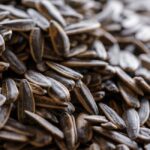
Magnesium-rich foods matter too. Magnesium helps muscles relax. Low magnesium levels are linked to more intense cramps. You can find magnesium in dark leafy greens, almonds, pumpkin seeds, and black beans. Some research indicates that magnesium supplements may reduce cramp severity, but food sources are a safe and effective place to start.
Foods with calcium also appear to help. Studies have found that people with higher calcium intake tend to have fewer and less severe menstrual cramps. Dairy products, fortified plant milks, tofu, and leafy greens are all solid sources. The effect appears to build over time, so consistent intake matters more than loading up the day your period starts.
Vitamin B6 may help as well. This vitamin plays a role in how your body produces certain brain chemicals that influence pain perception. Bananas, chickpeas, potatoes, and poultry all contain B6.
Which Foods Make Cramps Worse?
Just as some foods help, others can make the pain worse. These foods tend to increase inflammation, promote bloating, or deplete minerals.
Salty foods are a common culprit. High sodium intake causes your body to hold onto water. Extra fluid can increase bloating and make the pelvic pressure from cramps feel worse. Processed foods, fast food, and salty snacks are the main sources. Cutting back in the days before your period can help.
Caffeine is more complicated. For some people, caffeine constricts blood vessels and can make cramps feel sharper. For others, it provides needed energy and does not worsen pain. If you notice your cramps feel worse on days you drink coffee, consider switching to herbal tea or reducing your intake during your period.
Alcohol can worsen cramps in several ways. It dehydrates you, which can increase muscle tension. It can also disrupt sleep and increase inflammation. Many people find their periods are more painful when they drink alcohol in the days before or during their period.
Sugary foods may also work against you. High sugar intake spikes your blood sugar, which can increase inflammation. This does not mean you cannot have any sweets. It means that a diet heavy in sugar around your period may not help your cramp situation.


What Should You Drink During Your Period?
Hydration is one of the simplest and most effective things you can manage. When your body is dehydrated, your muscles are more prone to cramping. That includes the uterine muscle that is already working hard.
Water is the obvious first choice. Aim for steady intake throughout the day rather than drinking a large amount at once. This helps your body maintain consistent fluid balance.
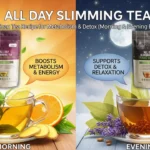
Warm liquids can be especially helpful. A warm cup of herbal tea or warm water with lemon can promote blood flow and may help relax tense muscles. Ginger tea is a popular choice because ginger has anti-inflammatory properties and some research suggests it can reduce menstrual pain.
Warm milk or fortified plant milk provides both hydration and calcium. The warmth can be soothing, and the calcium content supports muscle function.
Limit sugary drinks and excessive caffeine. They can dehydrate you or cause blood sugar swings that may not help your pain levels.
Can Heat Therapy Replace Diet Changes?
Heat therapy works through a different mechanism than diet. A heating pad or warm bath helps relax the muscles in your lower abdomen and pelvis. This can reduce the intensity of cramps quickly.
Heat does not change the underlying inflammation or hormone levels. It treats the symptom rather than the cause. That makes it a good complement to dietary changes rather than a replacement.
Some research has found that heat therapy can be as effective as over-the-counter pain relievers for some people. A warm bath, a heating pad on your lower belly, or a warm compress can all provide relief within minutes.
For best results, combine approaches. Use heat for immediate comfort. Use diet consistently over time to reduce how intense your cramps are in the first place.
What About Exercise and Other Habits?
Exercise may feel like the last thing you want to do when you are cramping. But light movement can genuinely help. Physical activity increases blood flow and triggers the release of endorphins, which are your body’s natural pain relievers.
You do not need to run a marathon. Gentle walking, stretching, or yoga can be enough. Some people find that specific yoga poses, like child’s pose or cat-cow, help relieve pelvic tension. The key is to move gently and stop if the movement increases your pain.
Sleep also matters. Your body does much of its repair work during sleep. Poor sleep can increase your perception of pain and make cramps feel worse than they otherwise would. Prioritizing rest during your period is not lazy. It is practical.
Stress management is another piece. Stress increases cortisol, which can amplify inflammation and pain perception. Simple breathing exercises or a few minutes of quiet can help keep stress levels down.
When Should You See a Doctor About Period Cramps?
Some cramping is normal. Severe pain is not. If your cramps regularly interfere with your daily activities, keep you from work or school, or do not respond to over-the-counter pain relievers, that is worth a medical conversation.
You should also see a doctor if you experience any of the following:
- Pain that gets progressively worse over several cycles
- Pain that does not improve with pain medication
- Very heavy bleeding or large blood clots
- Pain between periods
- Cramps accompanied by fever, nausea, or vomiting
These symptoms can indicate conditions like endometriosis, uterine fibroids, or pelvic inflammatory disease. These are treatable conditions, but they need proper diagnosis. Diet changes will not fix them.
No one should suffer through severe pain every month. If your cramps feel unmanageable, that is a legitimate reason to seek medical care.
What To Do During Your Period Cramps Diet More
The practical answer is to focus on anti-inflammatory foods in the days leading up to and during your period. Eat salmon, leafy greens, nuts, seeds, and calcium-rich foods. Cut back on salt, sugar, caffeine, and alcohol. Drink plenty of water and warm fluids.
These choices will not eliminate cramps for everyone. But they give your body the best chance of managing the inflammatory process that drives menstrual pain. Combined with heat therapy, gentle movement, and adequate sleep, a supportive diet is one of the most reliable tools you have.
If you want to try supplements, magnesium and omega-3s have the most supportive evidence. Talk to your doctor before starting any supplement, especially if you take other medications or have underlying health conditions.
Period pain is common, but it is not something you have to simply endure. Small, consistent changes can add up to more comfortable periods.
Frequently Asked Questions
What is the fastest way to relieve period cramps?
Heat therapy and over-the-counter pain relievers like ibuprofen work fastest for most people. A heating pad on your lower abdomen or a warm bath can relax the uterine muscle within minutes.
Can drinking more water reduce period cramps?
Yes, staying hydrated can help reduce cramp severity. Dehydration makes muscles more prone to cramping, so consistent water intake supports better muscle function during your period.
Is chocolate bad for period cramps?
Dark chocolate in moderation is not bad and may even help slightly due to its magnesium content. Milk chocolate with high sugar content is less helpful because sugar can increase inflammation.
How long before my period should I change my diet?
Starting two weeks before your period gives anti-inflammatory foods time to build up in your system. The most important window is the week before your period begins.
