
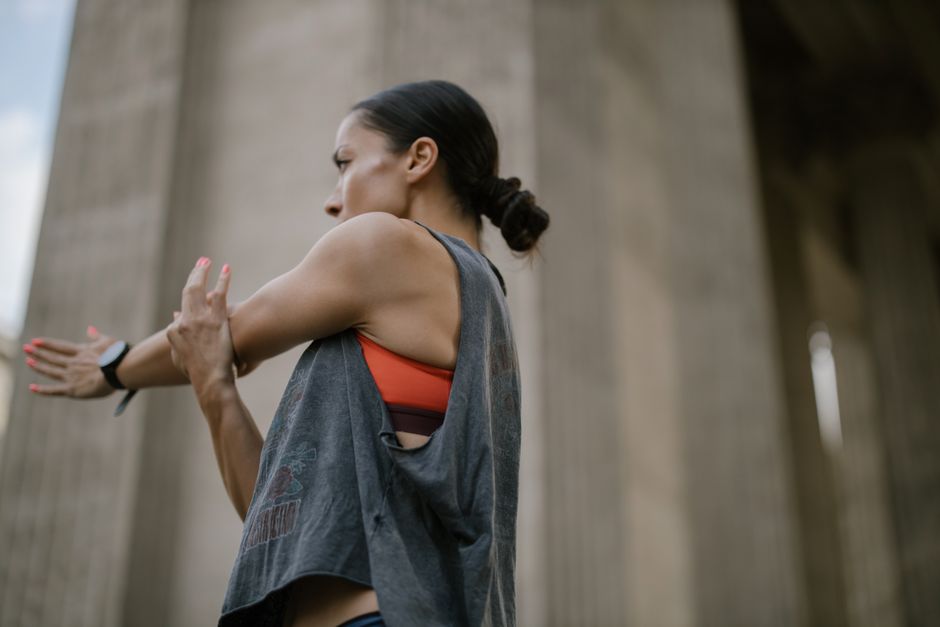
The timing of your last meal before exercise can affect how you feel, how hard you can push, and whether you get cramps or nausea. The general rule is to eat a full meal 3 to 4 hours before a workout and a small snack 30 to 60 minutes before. Your body needs fuel, but it also needs time to digest. Eating too close to exercise can cause stomach upset, while working out on a completely empty stomach can leave you feeling weak and lightheaded.
How Long Should You Eat Before A Workout?
The answer depends on the size of the meal and what is in it. A large meal with protein, fat, and fiber takes longer to digest than a simple carbohydrate snack. Give your body 3 to 4 hours to digest a full meal. For a small snack, 30 to 60 minutes is usually enough time.
Your stomach empties at a steady rate. Carbohydrates leave the stomach fastest, usually within 1 to 2 hours. Protein takes longer, and fat slows digestion the most. This is why a heavy burger and fries before a run often leads to discomfort. The food is still sitting in your stomach when you start moving.
There is no single perfect window that works for everyone. Some people can eat a banana five minutes before sprinting and feel great. Others need two full hours to digest anything. Experiment within the general guidelines to find what works for your body.
What Should You Eat Before a Workout?
Focus on carbohydrates. Carbs are your muscles’ main fuel source during exercise. They break down into glucose, which your body uses for immediate energy. A pre-workout meal should be mostly carbs with a small amount of protein and very little fat.
Good pre-workout food choices include:
- Oatmeal with a sliced banana
- Toast with a thin layer of peanut butter
- Greek yogurt with berries
- Rice with grilled chicken
- An apple with a small handful of almonds
If you are eating 3 to 4 hours before exercise, include protein and a modest amount of fat. This meal will hold you over longer and keep your blood sugar steady. If you are eating 30 to 60 minutes before, stick to simple carbs. A piece of fruit, a sports drink, or a small granola bar digests quickly and gives you fast energy.
Fat and fiber slow digestion. They are healthy in your overall diet, but they are not ideal right before a workout. They increase the chance of stomach cramps and sluggishness during exercise.
What Happens If You Work Out on an Empty Stomach?
Working out fasted, meaning without eating beforehand, is common. Many people do morning workouts before breakfast. Your body can still perform, but it uses stored glycogen from your liver and muscles instead of food you just ate.
For short, low-intensity workouts like a 30-minute walk or light yoga, fasted exercise is generally fine. Your body has enough stored energy to handle it. For longer or more intense sessions, you may run out of fuel. This can cause early fatigue, dizziness, and a drop in performance.
Some research suggests that fasted cardio may increase fat burning during the workout itself. However, the overall effect on body fat over time is not clearly different from eating before exercise. Total daily calorie intake matters more for weight management than whether you eat before one session.
If you exercise fasted and feel fine, there is no strong reason to change. If you feel weak, shaky, or unable to finish your workout, try eating a small snack first. Listen to your body.




How Long Before a Workout Should You Drink Water?
Hydration matters as much as food timing. Being dehydrated before exercise can make your workout feel much harder than it is. Your performance drops with even mild dehydration.
Drink water throughout the day rather than chugging a large amount right before exercise. A good goal is to drink about 16 to 20 ounces of water 2 to 3 hours before your workout. Then drink another 8 to 10 ounces about 20 to 30 minutes before you start.
During exercise, drink to replace what you lose through sweat. For workouts under an hour, plain water is usually enough. For longer sessions, especially in heat, a sports drink can replace electrolytes and provide quick carbohydrates.
Urine color is a simple hydration check. Pale yellow means you are well hydrated. Dark yellow or amber means you need more fluids. Clear urine can mean you are overhydrated, which is also not ideal.
What About Eating After a Workout?
Post-workout nutrition supports recovery, but it is less urgent than many people believe. Your muscles are most receptive to rebuilding nutrients in the hour after exercise. This is sometimes called the anabolic window.
The practical takeaway is simple: eat a meal with protein and carbohydrates within a few hours after your workout. You do not need a protein shake within 30 minutes. A regular meal works just as well. The total amount of protein you eat across the day matters more than precise timing around your workout.
Research published in the Journal of the International Society of Sports Nutrition suggests that the anabolic window is wider than once thought. Eating protein within a few hours after exercise supports muscle repair effectively. The “30-minute rule” is more marketing than science.
How Does Meal Timing Change With Different Workout Types?
Not all workouts place the same demands on your body. A heavy weightlifting session uses different energy systems than a long run or a yoga class.
For strength training, having some food in your system helps with energy and focus. A meal 2 to 3 hours before lifting with carbs and protein works well. For endurance exercise lasting over 90 minutes, your glycogen stores become the limiting factor. Eating a carb-rich meal 3 to 4 hours before, plus possibly a snack closer to start time, is important.
For short, high-intensity interval training under 30 minutes, the timing is less critical. Your body can rely on stored energy. A small snack beforehand can help, but it is not essential.
For low-intensity activities like walking or gentle stretching, no special timing is needed. These activities do not significantly deplete your energy stores.
What If You Feel Sick When You Eat Before Working Out?
Some people genuinely cannot eat before exercise without feeling nauseous. This is common and not a sign of a health problem. Blood flow shifts away from your digestive system during exercise, which slows digestion and can cause discomfort.
If you are sensitive to pre-workout food, try a liquid option. A smoothie, a sports drink, or even just fruit juice digests faster than solid food. You can also try eating earlier and giving yourself more time to digest before starting.
If you consistently feel sick regardless of what or when you eat, talk to a healthcare provider. This could be a sign of an underlying issue like gastroesophageal reflux or delayed gastric emptying.
Frequently Asked Questions
Is it better to eat before or after a workout?
Both matter, but for different reasons. Eating before gives you energy to perform, and eating after supports recovery.
Can I eat a banana 30 minutes before a workout?
Yes, a banana is a good choice 30 minutes before exercise. It is a simple carbohydrate that digests quickly and provides fast energy.
What is the best pre-workout meal for muscle gain?
A meal with both protein and carbohydrates 2 to 3 hours before lifting is ideal. Examples include chicken with rice or Greek yogurt with fruit.
Should I eat breakfast before a morning workout?
It depends on your goals and how you feel. A small snack helps if you are doing intense or long exercise, but light morning workouts can be done fasted.
