
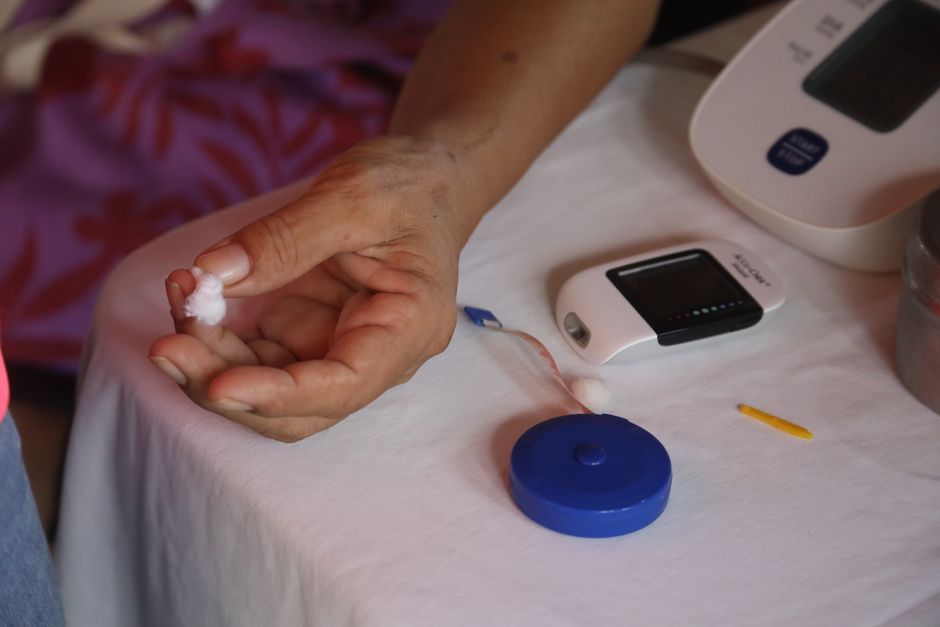
A glucose test measures how well your body handles sugar. What you eat before it matters, but the right answer depends on which glucose test you are having. For a fasting glucose test, you eat nothing for 8 to 12 hours beforehand. For an oral glucose tolerance test (OGTT), you also fast, but the preparation in the days before matters too. The short answer: follow your doctor’s fasting instructions exactly, eat a normal balanced diet in the days leading up to the test, and avoid sugar-heavy foods the night before.
What Is the Difference Between a Fasting Glucose Test and a Glucose Tolerance Test?
Two common tests measure blood sugar, and they have different rules. A fasting blood glucose test checks your blood sugar after you have not eaten for at least 8 hours. It is often used to screen for diabetes or prediabetes.
An oral glucose tolerance test (OGTT) is more involved. You fast, get your blood drawn, then drink a sugary liquid. Your blood is drawn again at set times afterward to see how your body processes the sugar. This test is commonly used during pregnancy to screen for gestational diabetes.
Some people have a non-fasting glucose test, often called a random glucose test. No fasting is needed for that one. Your doctor will tell you which type you are having. If you are unsure, call the office and ask.
What To Eat Before Glucose Test: The Fasting Rules
For both the fasting glucose test and the OGTT, you must not eat or drink anything except water for the fasting period. This is usually 8 to 12 hours. Black coffee, tea, juice, and soda all count as breaking the fast because they contain calories or caffeine that can affect blood sugar.
Water is fine. In fact, staying hydrated can make the blood draw easier and may help keep your veins accessible. But even water should be plain — no flavoring, no sweetener, no lemon.
Schedule your test for the morning. That way, most of your fasting time happens while you sleep. If your test is later in the day, you may need to skip breakfast and possibly lunch. Ask your doctor for clear guidance on how long to fast.
What To Eat the Night Before a Glucose Test
The meal you eat the night before can influence your fasting blood sugar the next morning. For most people, a normal balanced dinner is fine. The key is to avoid foods that spike blood sugar sharply, like large portions of refined carbohydrates or sugary desserts.
A reasonable dinner includes lean protein, vegetables, and a moderate amount of complex carbohydrates like whole grains or legumes. For example, grilled chicken with roasted vegetables and a small serving of brown rice works well. This type of meal digests steadily and helps keep your overnight blood sugar stable.
Avoid alcohol the night before. Alcohol can interfere with blood sugar regulation and may affect test results. Also avoid very high-fat meals, which can slow digestion and alter how your body handles glucose.





Should You Eat Normally in the Days Before the Test?
Yes. For an OGTT, especially during pregnancy, the standard instruction is to eat a normal diet for at least 3 days before the test. This means eating enough carbohydrates, not restricting them.
Some people think they should cut carbs before a glucose test to get a better result. That is a mistake. If you severely restrict carbohydrates for several days, your body may respond abnormally when you drink the glucose solution. This can produce a falsely high reading.
Normal means your usual pattern of eating. If you normally eat rice, bread, or fruit, keep doing so. Do not start a low-carb diet the week before your test. Do not binge on sweets either. Just eat your typical balanced meals.
What Happens If You Eat Before a Fasting Glucose Test?
Eating before a fasting test will raise your blood sugar. The result will not reflect your true fasting level. Depending on what and how much you ate, the number could be high enough to suggest diabetes when you do not have it.
If you accidentally eat something, do not take the test. Tell your doctor or the lab staff. They will reschedule the test. It is better to wait and get an accurate result than to act on a misleading number.
The same applies to the OGTT. If you eat during the fasting period, the test will need to be redone. This is especially important in pregnancy, where test results guide decisions about monitoring and treatment.
What To Eat After the Glucose Test
Once the test is complete, you can eat normally. For the OGTT, you may feel hungry or a bit shaky after drinking the glucose solution, especially if you fasted for 12 hours. Have a snack or meal ready to eat right after the last blood draw.
Some people feel nauseous after drinking the glucose drink. This is common. If you feel unwell, sit down, drink water, and eat something bland like crackers once you feel ready. Symptoms usually pass quickly.
If you feel dizzy, faint, or severely unwell after the test, tell the medical staff before you leave. Do not drive until you feel normal.
Can You Drink Water or Coffee Before a Glucose Test?
Water is allowed during the fasting period. It does not affect blood sugar and helps keep you hydrated.
Coffee is different. Black coffee contains caffeine, which can raise blood sugar in some people. Even if you drink it black, it is safest to avoid it before a fasting glucose test. Coffee with milk, cream, or sugar definitely breaks the fast.
If you are a daily coffee drinker and worry about withdrawal headaches, ask your doctor. Some clinicians allow black coffee before a test, but many do not. The safest choice is to follow the instruction to consume only water.
Does Exercise Before a Glucose Test Affect Results?
Vigorous exercise before a fasting glucose test can lower blood sugar temporarily. This could produce a result that does not reflect your usual level. For accurate results, avoid intense workouts the morning of the test.
Light activity, like walking to the clinic, is not a problem. But do not go for a run or do a heavy gym session before your blood draw. If you exercise regularly, schedule your workout after the test instead.
What If You Take Medications That Affect Blood Sugar?
Medications can affect glucose test results. This includes diabetes medications, steroids, and some blood pressure drugs. Do not stop any prescribed medication without talking to your doctor first.
Tell your doctor about every medication and supplement you take before the test. They will tell you whether to take your usual doses on the morning of the test or hold them until afterward. Never make this decision on your own.
What the Test Results Mean
For a fasting glucose test, a normal result is generally below 100 mg/dL. A result of 100 to 125 mg/dL indicates prediabetes. A result of 126 mg/dL or higher on two separate tests indicates diabetes.
For the OGTT, the thresholds depend on the version of the test and the timing of each blood draw. Your doctor will explain your specific results. A single abnormal result does not always mean you have diabetes, and your doctor may recommend repeating the test.
These numbers are well established in clinical guidelines. But your doctor interprets them in the context of your overall health, age, and risk factors.
Frequently Asked Questions
Can I eat breakfast before a fasting glucose test?
No. You must not eat anything for 8 to 12 hours before the test. Only water is allowed during the fasting period.
Can I drink black coffee before a glucose test?
It is safest to avoid coffee entirely. Caffeine can affect blood sugar, and any added milk or sugar breaks the fast.
What happens if I eat before my glucose test?
Your test result will not be accurate and the test will likely need to be rescheduled. Tell the lab staff if you ate so they can cancel or reschedule.
Should I eat carbs in the days before a glucose tolerance test?
Yes. Eat your normal diet, including carbohydrates, for at least 3 days before the test. Restricting carbs can cause falsely high results.
