
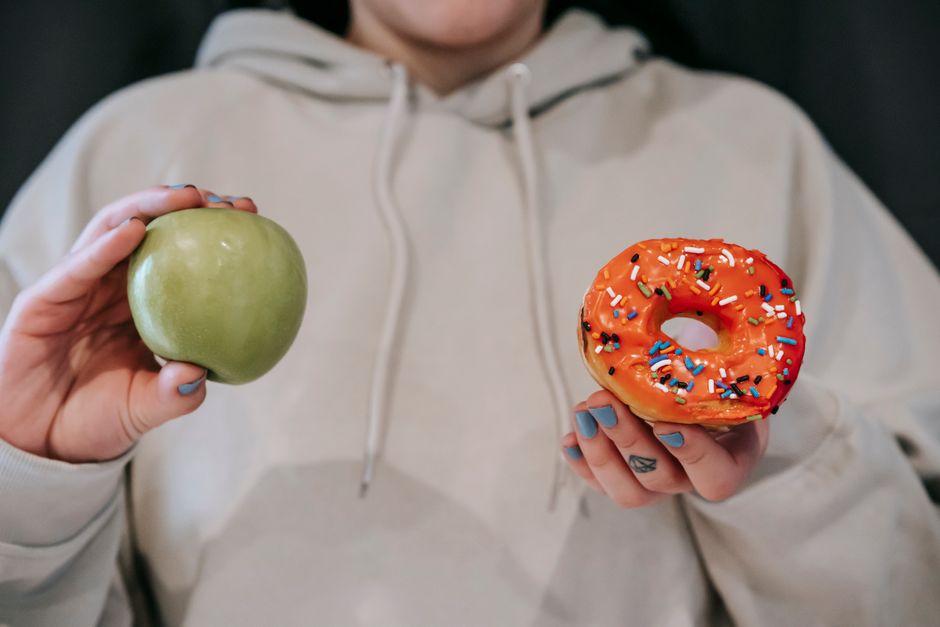
Pregnancy changes a lot of daily decisions, and food is near the top of the list. Some foods that are perfectly safe for most people can pose real risks to a developing baby. The list is short, but the reasons behind it matter. This guide covers the foods to avoid, why they are risky, and what you can eat instead.
What Are The Foods To Avoid During Pregnancy? The Basics
The main foods to avoid during pregnancy are raw or undercooked meat, fish high in mercury, unpasteurized dairy products, raw eggs, deli meats, and unwashed produce. These foods can carry bacteria, parasites, or heavy metals that are dangerous during pregnancy. The risk is not small or theoretical—it is a well-documented medical concern.
Your immune system changes during pregnancy, making you more vulnerable to foodborne illness. A food that causes mild discomfort in a non-pregnant person can cause severe complications in pregnancy. The goal is not to eat a boring diet. It is to avoid a specific set of known risks.
Why Does Food Safety Matter More During Pregnancy?
Pregnancy alters the immune system to protect the fetus from being rejected. This natural change also means your body is less effective at fighting off certain infections. Foodborne pathogens like Listeria and Toxoplasma that rarely cause serious illness in healthy adults can be dangerous during pregnancy.
Listeria infection is a particular concern. It can cross the placenta and cause miscarriage, stillbirth, or severe illness in a newborn. Toxoplasmosis, a parasite found in undercooked meat and cat feces, can also infect the fetus and cause serious health problems.
This is not about being overly cautious. These infections are rare, but the consequences are severe enough that health authorities recommend avoiding the foods that carry them.
Fish and Seafood: Which Kinds Are Off Limits?
Fish is a good source of protein and omega-3 fatty acids, which support fetal brain development. But some fish contain high levels of methylmercury, a heavy metal that can harm a developing nervous system.
Fish to avoid completely include:
- Shark
- Swordfish
- King mackerel
- Tilefish
- Bigeye tuna
These are large, predatory fish. They live longer and accumulate more mercury in their tissues over time. Mercury passes through the placenta and can affect the baby’s brain and nervous system development.
Safe options include salmon, sardines, trout, and canned light tuna. These are lower in mercury and provide the beneficial nutrients you want. The general guidance is to eat 2 to 3 servings of low-mercury fish per week. One serving is about 4 ounces.
Also avoid raw fish entirely. Sushi, sashimi, and raw oysters carry the risk of bacteria and parasites. Even high-quality sushi from a reputable restaurant is not considered safe during pregnancy.


Meat, Eggs, and Deli Products
Raw or undercooked meat can carry Toxoplasma gondii, the parasite that causes toxoplasmosis. Cook all meat until it reaches a safe internal temperature. For most cuts of beef, pork, and lamb, that means no pink in the center. Use a food thermometer to be certain.
Raw eggs are a vehicle for Salmonella. Avoid homemade hollandaise sauce, Caesar dressing, raw cookie dough, and any dessert that uses uncooked eggs. Commercial products made with pasteurized eggs are safe. Check labels if you are unsure.
Deli meats, hot dogs, and refrigerated pâtés are a Listeria risk. These foods can be contaminated after cooking, during processing or packaging. The recommendation is to heat them until steaming hot before eating. This kills the bacteria if present.
This does not mean you cannot enjoy a sandwich. It means the turkey or ham should be heated first. If you are at a restaurant and cannot control how the meat is prepared, it is safer to choose something else.
Dairy and Unpasteurized Products
Unpasteurized milk and cheese can carry Listeria and other harmful bacteria. Pasteurization kills these pathogens by heating the milk to a specific temperature. The process does not significantly change the nutritional value of the milk.
Soft cheeses made from unpasteurized milk are the main concern. This includes some Brie, Camembert, feta, blue cheese, and queso fresco. The risk is highest with cheeses that are soft and have high moisture content because bacteria grow more easily in them.
Hard cheeses, pasteurized soft cheeses, and yogurt are safe. The label must say “pasteurized” for you to be certain. In the United States, most commercial dairy products are pasteurized, but farmers’ markets and imported cheeses can be exceptions.
If you crave a specific soft cheese, check the label. Many versions of Brie, feta, and mozzarella sold in U.S. grocery stores are made with pasteurized milk and are safe to eat.
Produce and Sprouts
Unwashed fruits and vegetables can carry Toxoplasma from soil contact. They can also carry other pathogens from handling and processing. The solution is simple: wash all produce thoroughly under running water before eating, cutting, or cooking it.
This includes produce with skins you do not eat, like melons and avocados. Cutting into an unwashed rind can transfer bacteria from the outside to the flesh you eat.
Raw sprouts, including alfalfa, clover, and mung bean sprouts, are a specific concern. Sprouts grow in warm, humid conditions that are ideal for bacterial growth. They have been linked to multiple Salmonella and E. coli outbreaks. The recommendation is to avoid raw sprouts entirely during pregnancy. Cooking them thoroughly kills the bacteria.
What About Caffeine and Alcohol?
Alcohol is the clearest avoid-during-pregnancy item on any list. No amount of alcohol has been proven safe during pregnancy. Drinking alcohol can cause fetal alcohol spectrum disorders, which include physical, behavioral, and learning problems. The risk exists at any point in pregnancy, including the first weeks before you know you are pregnant.
Caffeine is a different situation. The general guidance is to limit caffeine to about 200 milligrams per day. That is roughly one 12-ounce cup of coffee. Caffeine crosses the placenta, and the fetus cannot metabolize it as quickly as an adult can. High caffeine intake has been associated with an increased risk of low birth weight.
Be aware that caffeine hides in other places. Tea, soda, energy drinks, chocolate, and some medications contain caffeine. If you drink coffee, count your total intake across all sources.
Foods That Are Safe and Good to Eat
Focusing only on what to avoid misses the bigger picture. Most foods are safe and beneficial during pregnancy. A varied diet with plenty of fruits, vegetables, whole grains, lean protein, and healthy fats supports both you and your baby.
Cooked fish, fully cooked eggs, pasteurized dairy, well-washed produce, and thoroughly cooked meats are all safe. Frozen fruits and vegetables are also good options because they are often processed and washed before freezing.
If you are unsure about a specific food, the safest approach is to ask your healthcare provider. They know your medical history and can give you personalized advice.
Frequently Asked Questions
Can I eat cheese during pregnancy?
Yes, if it is made from pasteurized milk. Hard cheeses and pasteurized soft cheeses are safe to eat.
Is sushi completely off limits?
Raw fish sushi is not considered safe during pregnancy because of the risk of bacteria and parasites. Cooked sushi rolls are a safe alternative.
Do I need to avoid all fish?
No. Low-mercury fish like salmon, sardines, and trout are safe and beneficial. Avoid shark, swordfish, king mackerel, and tilefish.
Can I have a small glass of wine?
No amount of alcohol has been proven safe during pregnancy. Health authorities recommend avoiding alcohol completely.
