
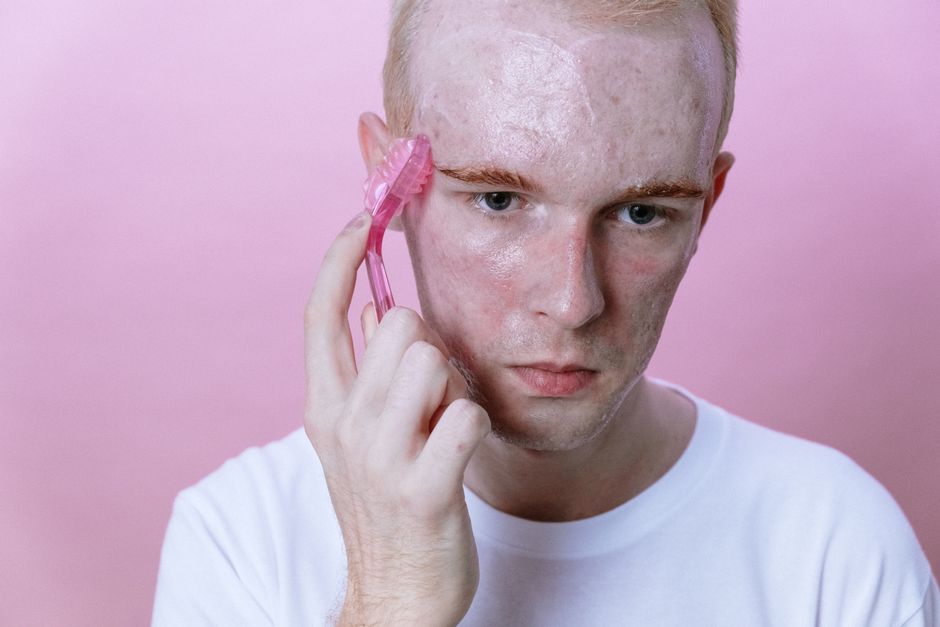
Hormonal acne is driven by shifts in androgen hormones, which increase oil production and cause skin cells to stick together, clogging pores. Diet does not cure hormonal acne, but what you eat can influence the inflammation and hormones that make it worse. The most evidence-based approach is to eat a diet low in high-glycemic foods and limit dairy, while focusing on whole foods, vegetables, and anti-inflammatory fats.
How Does Food Actually Affect Hormonal Acne?
Food does not directly cause acne, but it can amplify the conditions that trigger breakouts. When you eat a meal high in refined carbohydrates, your blood sugar rises quickly. Your body releases insulin to bring that sugar down, and higher insulin levels can increase androgen activity in the skin.
This chain reaction matters for acne. More androgen activity means more sebum production. More sebum, combined with dead skin cells, creates the clogged pores that become pimples. This is the core mechanism behind the link between diet and acne.
Some research suggests that insulin-like growth factor 1 (IGF-1) also plays a role. IGF-1 levels rise with higher insulin levels, and IGF-1 can stimulate the sebaceous glands directly. This explains why foods that spike blood sugar appear to make acne worse in many people.
What To Eat For Hormonal Acne And What To Avoid?
The clearest dietary pattern for managing hormonal acne is a low-glycemic diet. This means choosing foods that do not cause rapid spikes in blood sugar. Whole grains, legumes, vegetables, and most fruits fit this category. White bread, sugary drinks, and processed snacks do not.
Research published in the American Journal of Clinical Nutrition found that young adults who followed a low-glycemic diet for 12 weeks showed greater improvement in acne severity than those on a higher-glycemic diet. The participants also lost weight, which may have contributed to the results. Still, the link between glycemic load and acne is one of the most consistent findings in the research.
Dairy is the second major dietary factor. The evidence here is moderately strong but not universal. Some studies show that people who drink more milk, especially skim milk, have more acne. The mechanism is not fully proven, but the leading theory involves hormones naturally present in milk. Cow milk contains androgens and estrogen, which could theoretically influence human sebum production.
This does not mean everyone with acne must give up dairy. The research shows an association, not proof that dairy causes acne in every person. If you suspect dairy is a trigger for you, a trial of two to three weeks without dairy can give you a practical answer. If your skin does not improve, dairy likely is not your main issue.
Which Foods Are Most Likely To Trigger Breakouts?
Refined carbohydrates are the most consistent dietary trigger. This includes white bread, white rice, pastries, sugary cereals, and anything sweetened with added sugar. These foods have a high glycemic index, meaning they raise blood sugar quickly and provoke the insulin response that can worsen acne.
Milk and dairy products are the second most studied trigger. The association appears strongest with skim milk in some studies, though the reason is not entirely clear. One theory is that the processing of skim milk concentrates certain hormones or growth factors. Yogurt and cheese have shown weaker or inconsistent associations with acne.
High-glycemic foods and dairy are the only two dietary factors with meaningful research support. Many other foods are blamed for acne, but the evidence is thin. Chocolate is frequently accused, but studies have not consistently confirmed a link. Greasy foods do not cause acne through the oil on your skin. Eating fried food may contribute to inflammation, but it does not directly clog pores.
Whey protein supplements deserve special mention. Whey is a dairy byproduct, and some case reports and small studies link whey protein supplementation to acne breakouts. If you use whey protein and struggle with acne, switching to a plant-based protein powder for a few weeks is a reasonable experiment.


What Foods Support Clearer Skin?
There is no single food that clears hormonal acne. But certain foods support the conditions that help skin heal and resist inflammation. Whole foods with a low glycemic load form the foundation of an acne-friendly diet.
Vegetables and fruits provide fiber, vitamins, and antioxidants without causing blood sugar spikes. Fiber slows digestion and helps moderate the insulin response to meals. Antioxidants, particularly from colorful vegetables, help reduce the oxidative stress that can worsen inflammation in the skin.
Omega-3 fatty acids have anti-inflammatory properties. Fatty fish like salmon and sardines are the richest sources. Plant sources include walnuts, flaxseeds, and chia seeds. Some research suggests that people with acne have lower levels of omega-3s in their blood, but whether supplementation actually improves acne is not proven. Eating these foods as part of a balanced diet is a reasonable, low-risk choice.
Zinc is a mineral that has shown some promise for acne. Studies indicate that people with acne tend to have lower zinc levels than those without. Zinc has anti-inflammatory properties and may help regulate sebum production. Food sources include oysters, pumpkin seeds, beef, and lentils. Some dermatologists recommend zinc supplements for acne, but the evidence for oral zinc is modest, and high doses can cause nausea.
Probiotic foods such as yogurt, kefir, and fermented vegetables are often recommended for skin health. The gut-skin axis is a real biological pathway, and inflammation in the gut can influence inflammation in the skin. However, no large clinical trials have confirmed that probiotics improve acne. Eating fermented foods is healthy for many reasons, but do not expect it to be a standalone acne treatment.
Does Sugar Directly Cause Breakouts?
Sugar does not directly cause a pimple to appear. The connection is indirect and runs through insulin. When you eat sugar, your blood sugar rises, insulin rises, and that elevated insulin can increase sebum production and inflammation. Over time, this creates a skin environment where acne is more likely to develop.
This means the total amount of sugar matters less than how quickly it enters your bloodstream. A candy bar and a bowl of oatmeal may contain similar amounts of sugar, but the candy bar causes a faster spike. This is why the glycemic index concept is useful for acne management.
It is also worth noting that not everyone with acne is sensitive to dietary sugar. Some people can eat sweets daily without breakouts. Others notice a pimple within a day or two of eating a high-sugar meal. Individual response varies, and there is no reliable test to predict who will react.
How Long Until Diet Changes Help?
Skin cells take about 28 days to turn over. This means any dietary change will not show visible results immediately. Most dermatologists recommend giving a dietary change at least six to eight weeks before judging whether it works.
If you are cutting out dairy or reducing high-glycemic foods, you may notice improvement in the first month. But do not expect perfection. Hormonal acne is influenced by genetics, stress, and your natural hormone levels. Diet is one factor among several.
If your acne is severe, painful, or leaving scars, diet alone is unlikely to be enough. Acne that does not respond to dietary changes and good skincare warrants a visit to a dermatologist. Prescription treatments such as topical retinoids, spironolactone, or oral contraceptives have far stronger evidence for treating hormonal acne than any food.
Frequently Asked Questions
Can drinking more water clear hormonal acne?
Water does not directly clear acne. Staying hydrated supports overall skin health, but no clinical evidence shows that drinking more water reduces breakouts.
Is chocolate really bad for acne?
Studies have not consistently confirmed that chocolate triggers acne. Some people report breakouts after eating chocolate, but the evidence is mixed and may relate to the sugar and dairy in the chocolate rather than the cocoa.
Should I stop eating dairy completely for hormonal acne?
Not necessarily. The research shows an association between dairy and acne, but many people see no change when they cut dairy. A two to three week trial without dairy can tell you if it matters for your skin.
Can supplements help with hormonal acne?
Zinc and omega-3 supplements have some supportive evidence, but results are modest and inconsistent. No supplement has been proven to cure hormonal acne, and prescription treatments remain the most effective option for moderate to severe cases.
