
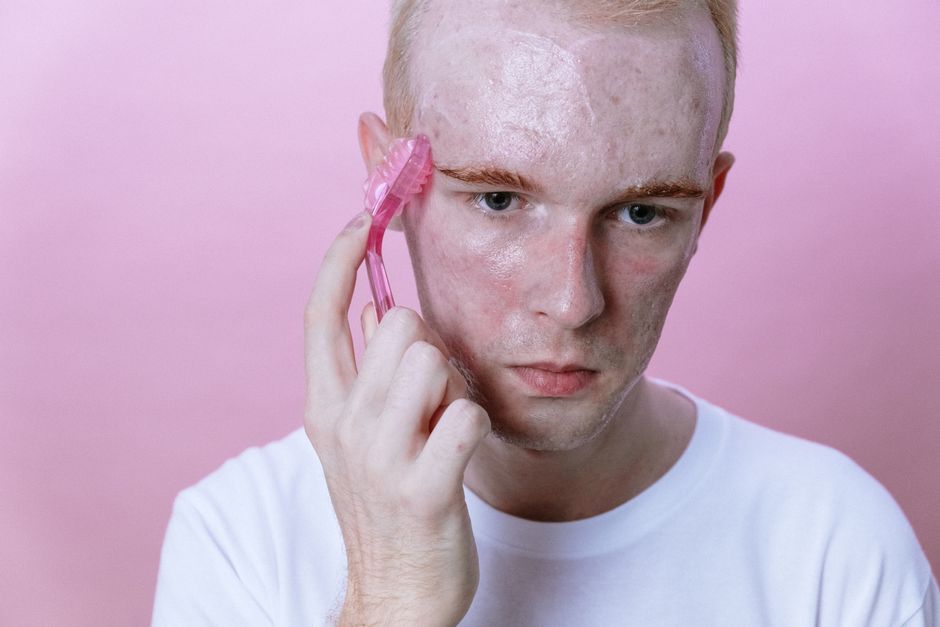
Hormonal acne happens when androgens and other hormones push the sebaceous glands to make more oil, which combines with dead skin cells to clog pores and feed acne bacteria. It is most common during puberty, around menstrual cycles, during pregnancy, and in the years leading up to menopause. Triggers include fluctuating estrogen and progesterone, rising androgen activity, stress, certain medications, and some endocrine conditions such as polycystic ovary syndrome.
What Can Cause Hormonal Acne Triggers And Treatments?
The short answer is that hormonal acne comes from the interaction between hormones, oil glands, skin cell turnover, and bacteria. Hormones do not directly “create” pimples. They change the environment of the pore, and the pimple is what follows.
Androgens — testosterone and its relatives — are the main drivers. Both men and women produce them. When androgen levels rise or when the skin becomes more sensitive to them, sebaceous glands enlarge and produce more sebum. Sebum is not the enemy. It protects skin. The problem is when excess sebum mixes with skin cells that are not shedding normally, forming a plug. That plug traps Cutibacterium acnes, a bacterium that lives on everyone’s skin, and the immune response to it produces the red, tender bump.
Estrogen generally works the other way. It tends to reduce sebum production. This is why acne often flares when estrogen drops — right before a period, after childbirth, or during perimenopause. It is not that estrogen “causes” acne. It is that its decline removes a brake.
Why Does Acne Show Up Around Your Period?
Premenstrual acne is one of the most predictable patterns in dermatology. It is driven by the natural drop in estrogen and rise in progesterone that happens in the second half of the menstrual cycle, known as the luteal phase.
Progesterone has some androgenic activity. As it rises and estrogen falls, sebum production increases. At the same time, the pore lining swells slightly, which narrows the opening. The combination — more oil, tighter pore — is why a pimple often appears in the same spot a few days before bleeding starts.
This pattern is normal. It does not necessarily mean anything is wrong with your hormones. Many people with completely regular cycles still get cyclical breakouts. The timing is the clue, not the severity.
Tracking your cycle alongside your breakouts for two or three months can reveal whether the pattern is truly cyclical. If breakouts cluster in the same window each month, hormonal influence is likely. If they are random, other factors — products, diet, friction — deserve a closer look.
What Else Triggers Hormonal Breakouts?
Hormones are the foundation, but several other factors turn the dial up or down.
- Stress. The adrenal glands produce androgens in response to stress. Chronic stress can also raise cortisol, which influences sebum and inflammation.
- PCOS. Polycystic ovary syndrome raises androgen levels in many women. Acne along the jawline, chin, and neck, combined with irregular periods or excess facial hair, is a common pattern.
- Pregnancy. Androgen levels shift, and many women see breakouts in the first trimester. Others see their skin clear.
- Perimenopause. Estrogen falls while androgens stay relatively stable. The result can be acne in people who never had it before.
- Medications. Some hormonal contraceptives, corticosteroids, lithium, and certain anticonvulsants can worsen acne.
- Diet. High-glycemic foods and dairy have been studied as possible contributors. The evidence is not uniform, but some research suggests an association between high-glycemic diets and acne severity.
- Cosmetics and skin care. Heavy, occlusive products can trap oil and worsen existing breakouts.
One clarification worth making: chocolate itself has not been consistently shown to cause acne. Studies that looked at it directly have produced mixed results. The sugar in chocolate may matter more than the cocoa.
Where Does Hormonal Acne Usually Appear?
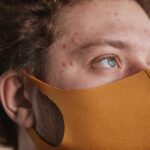
The pattern matters. Hormonal acne tends to appear on the lower face — jawline, chin, and the sides of the neck. It often shows up as deep, tender nodules or cysts rather than small surface whiteheads.
This distribution is not random. The sebaceous glands on the lower face are more sensitive to androgens than those on the forehead or cheeks. That is why teenage acne often starts on the T-zone, while adult hormonal acne clusters on the jawline.
Deep nodules are also more likely to scar. They sit lower in the skin and cause more inflammation. If you are getting painful, deep bumps that leave marks, that is a reason to see a dermatologist rather than wait it out.
What Treatments Actually Work for Hormonal Acne?
Treatment depends on severity, whether there is an underlying condition, and whether pregnancy is a factor. No single approach works for everyone.
For mild cases, topical retinoids are often the first step. They help normalize how skin cells shed, which addresses the plugging that starts the process. Benzoyl peroxide and topical antibiotics may be added to reduce bacteria and inflammation.
For moderate to severe hormonal acne, especially with a cyclical pattern or suspected PCOS, clinicians sometimes prescribe combined oral contraceptives. Certain formulations are considered more helpful for acne than others. Spironolactone, an androgen-blocking medication, is also widely prescribed off-label for hormonal acne in women. It is not FDA-approved for acne, but it has been used in clinical practice for decades and is supported by a reasonable body of evidence.
Isotretinoin remains the most effective treatment for severe nodulocystic acne. It requires close medical monitoring because of its side effect profile, including serious risks in pregnancy.
If PCOS or another endocrine condition is suspected, treating the underlying issue may improve the skin. This is where a dermatologist and an endocrinologist sometimes work together.
Can Diet and Lifestyle Make a Difference?
Diet and lifestyle can influence hormonal acne, but they are not a replacement for medical treatment when acne is moderate or severe.
Some research suggests that low-glycemic diets may reduce acne severity. The proposed mechanism is that high-glycemic foods raise insulin, and insulin can raise androgen activity. The evidence is suggestive but not definitive. Dairy has also been studied, with some studies finding an association between skim milk and acne. The findings are inconsistent across populations.
Stress management is reasonable for overall health and may help skin indirectly. Sleep, exercise, and consistent skin care reduce inflammation and support the skin barrier. None of these are proven acne cures, but they support the conditions in which treatment works better.
What does not help: scrubbing harder, popping deep nodules, or using multiple harsh products at once. These damage the skin barrier and can worsen inflammation.
When Should You See a Doctor?
See a dermatologist if acne is painful, deep, scarring, or not responding to over-the-counter treatment after a few months. Also see a doctor if acne appears suddenly in adulthood, especially with irregular periods, rapid hair growth, or other signs of hormonal imbalance.
Sudden severe acne in an adult who never had it can sometimes signal an underlying endocrine issue. That is not common, but it is worth evaluating rather than assuming it is just stress.
For people who are pregnant or breastfeeding, treatment options are more limited. No clinical guidelines currently recommend isotretinoin, spironolactone, or most oral acne medications during pregnancy. Topical options exist, but they should be discussed with a doctor who knows your situation.
Frequently Asked Questions
Does hormonal acne ever go away on its own?
Mild hormonal acne often improves when the underlying hormonal shift resolves, such as after puberty or after pregnancy. Moderate to severe acne usually needs treatment to prevent scarring.
Is hormonal acne caused by poor hygiene?
No. Hormonal acne is driven by oil production, skin cell turnover, and inflammation, not by dirt. Over-washing can irritate skin and make breakouts worse.
Can birth control pills clear hormonal acne?
Some combined oral contraceptives reduce acne by lowering androgen activity, and certain formulations are FDA-approved for this purpose. Results vary by formulation and by person.
Does cutting out dairy help hormonal acne?
Some studies have found an association between dairy, particularly skim milk, and acne, but the evidence is mixed. Cutting dairy is not a guaranteed fix and should not replace medical treatment.
