
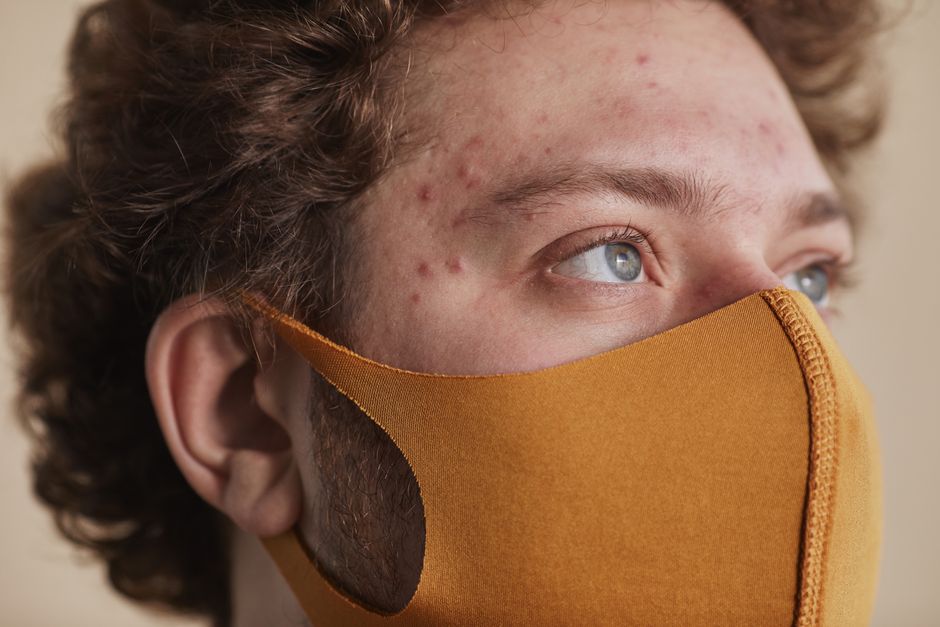
Hormonal acne is normal in the sense that it is common, but “normal” does not mean it has to be tolerated. Acne driven by hormones affects most teenagers and a large share of adults, especially women. It happens when androgens and other hormones increase oil production and change how skin cells shed inside the hair follicle, which clogs pores and feeds acne bacteria. Signs include deep, tender bumps along the jawline and chin, flares timed to the menstrual cycle, and breakouts that resist standard over-the-counter products. Treatment ranges from topical retinoids and benzoyl peroxide to prescription options like hormonal birth control, spironolactone, and isotretinoin, depending on severity and the person.
Is Hormonal Acne Normal Causes Signs Treatments?
Acne is the most common skin condition in the United States, and hormones are involved in the majority of cases. So yes, it is normal in the statistical sense. Roughly 85 percent of people between ages 12 and 24 experience at least minor acne, according to the American Academy of Dermatology.
What makes acne “hormonal” is not a lab test or a specific diagnosis. It is a pattern. The breakouts tend to be deep and cystic rather than small whiteheads. They cluster on the lower face. They flare and settle in a rhythm tied to the menstrual cycle. And they often persist well past the teenage years.
Adult acne is more common in women than men. Some studies suggest a meaningful share of women in their 20s, 30s, and 40s still get acne, though estimates vary widely depending on how acne is defined and who is surveyed. If you are in your 40s and still breaking out along your jaw, you are not an outlier.
One clarification worth making: hormonal acne is not caused by “hormone imbalance” in the way that phrase is often used online. For most people with acne, hormone levels are within normal range. The problem is that the oil glands in the skin are unusually sensitive to normal amounts of androgens. It is a sensitivity issue, not necessarily an excess issue.
What Actually Causes Hormonal Acne?
Acne starts in the pilosebaceous unit — the hair follicle plus its attached oil gland. Four things have to happen together for a pimple to form.
- Increased oil production. Androgens, including testosterone and its more potent form DHT, signal the sebaceous glands to produce more sebum.
- Abnormal shedding of skin cells. Dead cells that would normally flake off instead stick together and block the follicle opening.
- Bacterial overgrowth. Cutibacterium acnes, a bacterium that lives on everyone’s skin, multiplies inside the blocked follicle.
- Inflammation. The immune system responds, producing the redness, swelling, and tenderness you see and feel.
All four steps matter. This is why treatments that only address bacteria, like some antibiotic creams, often fail on their own. You have to interrupt the process at more than one point.
Androgens are the main hormonal driver. This is true in men and women. In women, conditions like polycystic ovary syndrome (PCOS) can raise androgen levels and worsen acne, but most women with hormonal acne do not have PCOS. Their androgen levels are normal. Their oil glands simply respond more strongly to them.
Other hormonal shifts matter too. The menstrual cycle causes predictable fluctuations in estrogen and progesterone. Pregnancy, perimenopause, and starting or stopping hormonal birth control can all change acne patterns. Cortisol, the stress hormone, can also influence oil production, though the link between stress and acne is real but not fully understood.
What Are the Signs of Hormonal Acne?
The location and behavior of breakouts tell you more than any single pimple does. Hormonal acne has a recognizable pattern.
- Deep, tender bumps or cysts rather than small surface whiteheads
- Breakouts concentrated on the jawline, chin, and lower cheeks
- Flares that follow a monthly rhythm, often worsening in the week before a period
- Persistent acne into adulthood, especially in women
- Acne that does not improve with typical over-the-counter washes and spot treatments
- Along with acne, signs like excess facial hair, thinning scalp hair, or irregular periods — which may point to an underlying hormonal condition
If you notice the last set of signs, that is worth discussing with a doctor. Those symptoms together can suggest higher androgen levels and may warrant evaluation for conditions like PCOS.
Severity matters for treatment decisions. Mild acne is mostly blackheads and whiteheads with few inflamed spots. Moderate acne includes more papules and pustules. Severe acne involves deep nodules and cysts and carries a real risk of permanent scarring.



How Is Hormonal Acne Treated?
Treatment depends on severity, whether you might become pregnant, and how your skin has responded to past treatments. There is no single correct approach.
For mild acne, standard first-line options include topical retinoids, benzoyl peroxide, and salicylic acid. These address clogged pores and inflammation. They are well established and widely used. Results take time — often 8 to 12 weeks — and consistency matters more than strength.
For moderate to severe acne, or acne that has not responded to topicals, prescription options include:
- Oral antibiotics such as doxycycline, usually paired with a topical retinoid. These are typically used for a limited course rather than long term, because of antibiotic resistance concerns.
- Hormonal birth control pills. Certain combined oral contraceptives are FDA-approved for acne. They work by reducing androgen activity.
- Spironolactone. An oral medication that blocks androgen receptors. It is widely prescribed for hormonal acne in women and is generally not used in men because of side effects like breast tenderness.
- Isotretinoin. A highly effective oral retinoid for severe or scarring acne. It carries significant risks, including severe birth defects, and requires strict pregnancy prevention and monitoring.
Two honest caveats. First, spironolactone is commonly prescribed for acne but is not FDA-approved for that purpose — it is used off-label, based on how it works and on clinical experience rather than large dedicated trials. Second, no treatment works for everyone. What clears one person’s skin may do little for another.
If you are pregnant, breastfeeding, or trying to conceive, the options narrow considerably. Some acne medications are unsafe during pregnancy. Discuss any treatment with your doctor before starting. No clinical guidelines support self-selecting prescription acne medication during pregnancy.
Can Diet or Lifestyle Changes Help Hormonal Acne?
Diet plays a smaller role than social media suggests, but it is not zero. The evidence is mixed and mostly observational, meaning it shows associations rather than proof of cause and effect.
Some studies suggest that high-glycemic diets — those heavy in refined sugars and fast-digesting carbohydrates — may be linked to more acne. A few small trials have found that lowering the glycemic load of the diet reduced acne severity in some participants. The effect sizes were modest, and the studies were small.
Dairy has been studied too, particularly skim milk. Some research indicates an association between milk intake and acne, but the findings are inconsistent and the mechanism is unclear. Cutting out dairy is not a proven cure, and for many people it makes no difference at all.
What does help: gentle cleansing twice a day, not over-washing or scrubbing, using non-comedogenic products, and not picking at lesions, which worsens scarring and inflammation. Stress management may help indirectly, though the direct effect on acne is not well established.
What does not help: detoxes, “hormone-balancing” supplements, and most herbal acne products. No clinical evidence currently confirms that these clear hormonal acne.
When Should You See a Doctor for Acne?
See a dermatologist or primary care doctor if acne is deep and painful, is leaving scars or dark marks, is affecting your confidence or mood, or has not improved after a few months of consistent over-the-counter treatment.
Also see a doctor if acne appears suddenly in adulthood, if it comes with irregular periods or excess hair growth, or if you are pregnant or planning to become pregnant and need treatment.
Acne is treatable. Most people improve with the right combination of treatments, though it often takes patience and some trial and error. Waiting rarely makes deep or scarring acne better on its own.
Frequently Asked Questions
Is hormonal acne a sign of a hormone imbalance?
Usually not. Most people with hormonal acne have hormone levels within the normal range — their oil glands are simply more sensitive to normal androgens. A true imbalance is possible but less common, and it is typically suspected when acne comes with irregular periods or excess hair growth.
At what age does hormonal acne usually start and stop?
It commonly begins around puberty, when androgen levels rise, and for many people it improves by the early to mid-20s. However, adult acne is common, especially in women, and can persist into the 30s, 40s, and beyond.
Does chocolate or greasy food cause hormonal acne?
No single food has been proven to cause hormonal acne. Some studies suggest high-glycemic diets and possibly dairy are associated with more acne, but the evidence is mixed and does not show that any one food is the cause.
Can hormonal acne be cured permanently?
Acne can often be controlled well, and some treatments like isotretinoin can lead to long-lasting clearing, but there is no guaranteed permanent cure. Many people need ongoing management, and acne can return after treatment stops.
