
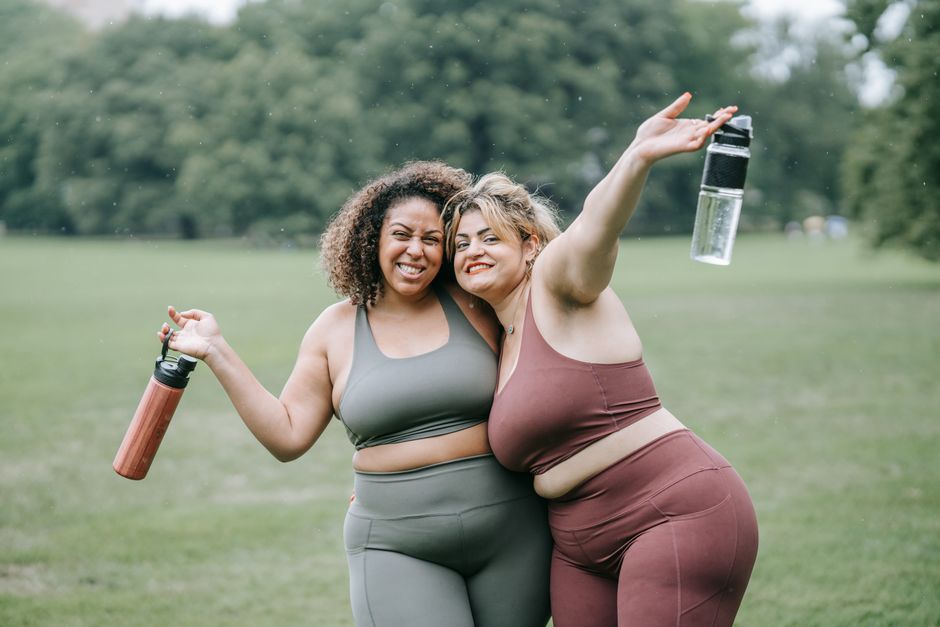
Most women need between 1.6 and 2.2 grams of protein per kilogram of body weight each day to build muscle effectively. That works out to roughly 0.7 to 1.0 grams per pound. Your exact number depends on your activity level, age, and overall diet.
How much protein do women really need to build muscle?
The short answer is that the same general protein guidelines apply to both men and women. For muscle gain, the established recommendation from sports nutrition experts is 1.6 to 2.2 grams of protein per kilogram of body weight per day. That means a 68‑kilogram (150‑pound) woman would aim for roughly 109 to 150 grams of protein daily.
These numbers come from clinical guidelines for athletes and active individuals who are trying to increase muscle mass. They are based on human studies, not theory. The range accounts for individual differences in training intensity, recovery, and overall calorie intake.
It is important to understand that going above 2.2 g/kg does not provide additional muscle-building benefits for most people. Extra protein is simply used for energy or stored as fat. Staying within the range is both effective and practical.
Does a woman’s menstrual cycle affect protein needs?
Some research suggests that protein metabolism may shift slightly across the menstrual cycle. During the luteal phase (the two weeks before your period), your body may use protein a little differently. However, the evidence is not strong enough to recommend changing your protein intake based on cycle phase.
Current clinical guidelines do not include cycle‑specific protein adjustments. For most women, consistently meeting the standard 1.6–2.2 g/kg range throughout the month is sufficient. If you notice that you feel hungrier or recover more slowly at certain times, it is fine to eat at the higher end of the range during those days — but there is no proven need to plan precise changes.
How does age affect protein requirements for muscle building?
As women get older, especially after age 50, the body becomes less efficient at using protein to build muscle. This is called anabolic resistance. To overcome it, older women likely need more protein per day than younger women. Many experts suggest aiming for the upper end of the range — around 2.0 to 2.2 g/kg — for women over 50 who are actively strength training.
Age also affects how the body responds to timing. Spreading protein evenly across meals becomes more important with age. A single large protein intake at dinner may not stimulate muscle building as effectively in older women as it does in younger women. The general guidance is to include at least 25–30 grams of protein at breakfast, lunch, and dinner.
No specific upper limit has been set for older women, but intakes above 2.5 g/kg have not shown added benefit in studies and may be unnecessary.


Can women get enough protein from food alone?
Yes, most women can meet their protein needs through food alone without supplements. A well‑planned diet that includes lean meats, poultry, fish, eggs, dairy, legumes, tofu, and nuts can easily provide 100–150 grams of protein per day. For example, 170 grams (6 oz) of chicken breast has about 40 grams of protein. A cup of Greek yogurt adds 20 grams. A cup of cooked lentils gives 18 grams.
Supplements like protein powder can be convenient, but they are not necessary. If you are short on time or struggle to eat enough protein from food, a supplement can help fill the gap. However, there is no evidence that supplements build muscle better than whole food sources with the same protein content.
What is the best way to distribute protein throughout the day?
Research consistently shows that spreading protein intake evenly across three to four meals stimulates muscle growth more effectively than eating most of your protein in one sitting. Aim for roughly 25–40 grams of protein per meal, depending on your total daily target.
Eating protein soon after a strength training session is helpful but not strictly required. The “anabolic window” is wider than often claimed — you have several hours after exercise, not just 30 minutes. As long as you meet your total daily protein target and distribute it well, the exact timing matters less.
For women doing intense resistance training, including a protein‑rich snack or meal within two hours after exercise can support recovery, but the total daily intake remains the most important factor.
How much protein is too much for women?
For healthy women, protein intakes up to 2.2 g/kg are well within safe limits. Higher intakes — up to 3.0 g/kg — have been studied in athletes and found to be safe in the short term, but they are not needed for muscle building. Extremely high protein intakes, especially above 3.5 g/kg, are not supported by evidence and may strain kidneys in people with existing kidney issues.
If you have a history of kidney disease, diabetes, or high blood pressure, talk to your doctor before significantly increasing protein. For most healthy women, the standard guideline range is safe and effective.
Frequently Asked Questions
How do I calculate my protein needs in grams?
Multiply your body weight in kilograms by 1.6 to 2.2. For pounds, divide your weight by 2.2 to get kilograms first, then multiply.
Can a woman build muscle on 100 grams of protein a day?
Yes, if that amount falls within your target range. A 68‑kg woman needs 109–150 grams per day, so 100 grams would be slightly low for muscle building.
Is plant protein as good as animal protein for building muscle?
Yes, as long as you eat a variety of plant proteins to get all essential amino acids. Soy, quinoa, and hemp are complete proteins; combining legumes with grains also works.
Do women need protein on rest days?
Yes. Muscle repair happens on rest days, and protein supports that process. Keep your intake consistent every day.
