
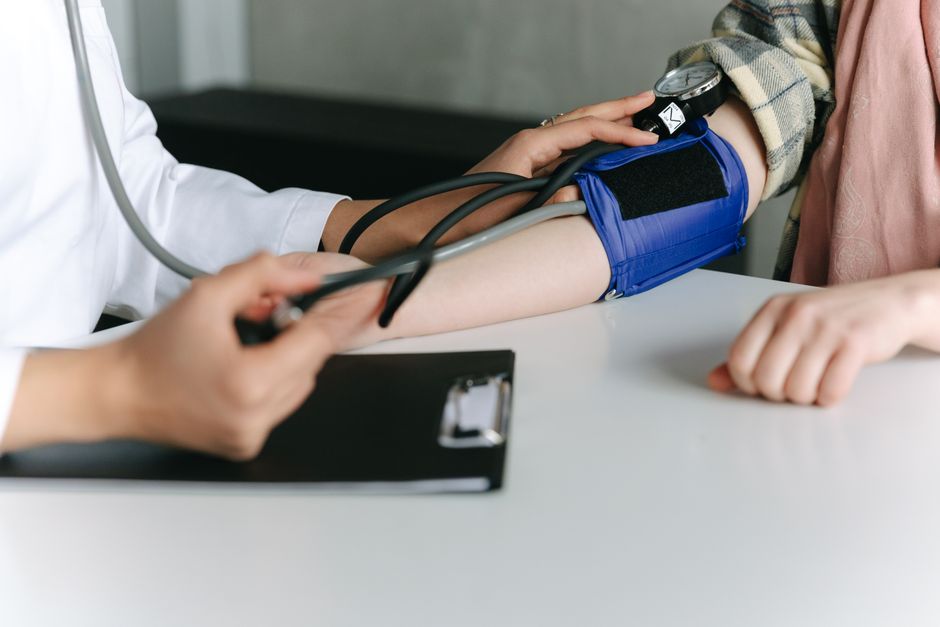
Low blood pressure, also called hypotension, is usually a sign of good health. But when it causes symptoms like dizziness, fainting, or blurred vision, it needs attention. If your blood pressure is low and you feel unwell, sit or lie down immediately, drink water, and raise your legs above heart level. These steps help restore blood flow to your brain quickly. If symptoms persist or you faint, seek medical care right away.
What Counts as Low Blood Pressure?
Blood pressure is measured in millimeters of mercury (mmHg) and recorded as two numbers. The top number is systolic pressure, the force when your heart beats. The bottom number is diastolic pressure, the force when your heart rests between beats.
Most doctors consider blood pressure low when it reads below 90/60 mmHg. But the number alone does not tell the whole story. Many healthy people walk around with readings of 85/55 and feel perfectly fine. For them, that number is normal.
What matters more is how your body responds. Low blood pressure only becomes a medical problem when it causes symptoms. Dizziness, lightheadedness, fainting, nausea, fatigue, and blurred vision are the classic signs that blood flow to the brain has dropped.
What To Do If Blood Pressure Is Low and You Feel Dizzy
If you feel dizzy or lightheaded from low blood pressure, act quickly. The goal is to get blood back to your brain before you faint.
Sit down immediately if you are standing. If you can, lie flat on your back and elevate your legs about 12 inches using a pillow or chair. This position uses gravity to help blood return to your heart and brain.
Drink a glass of water slowly. Dehydration is a common cause of low blood pressure, and fluids help raise blood volume. Avoid standing up suddenly after you feel better. Give your body a few minutes to adjust.
If you faint, someone should check your breathing and pulse. Call emergency services if you do not wake up quickly, if you hit your head, or if you have chest pain, shortness of breath, or severe headache along with the fainting episode.
Common Causes of Low Blood Pressure
Understanding why your blood pressure drops helps you prevent future episodes. Several everyday situations can trigger hypotension.
Dehydration is one of the most common causes. When your body loses more water than it takes in, blood volume drops and pressure falls. This happens with vomiting, diarrhea, heavy sweating, or simply not drinking enough on a hot day.
Orthostatic hypotension occurs when you stand up too quickly. Your blood vessels normally tighten to push blood upward when you rise. If this reflex is slow, blood pools in your legs and your brain briefly gets less supply. This is more common in older adults and in people taking certain medications.
Medications are a frequent culprit. Blood pressure drugs, diuretics, antidepressants, and some erectile dysfunction medications can all lower pressure too much. Never stop a prescribed medication on your own. Talk to your doctor about adjusting the dose.
Pregnancy commonly causes low blood pressure, especially in the first 24 weeks. This is usually harmless but should be monitored. Heart conditions like very slow heart rate, heart valve problems, or heart failure can also reduce blood pressure. Endocrine disorders such as thyroid disease or adrenal insufficiency may be involved as well.
In rare cases, low blood pressure signals a serious emergency. Septic shock from a severe infection, anaphylaxis from an allergic reaction, or internal bleeding can cause a sudden dangerous drop. These situations require immediate emergency care.


When Low Blood Pressure Is an Emergency
Some symptoms mean you need emergency help without delay. Do not wait to see if they pass.
Call 911 if low blood pressure comes with any of these:
- Chest pain or pressure
- Shortness of breath
- Severe headache with neck stiffness
- Fainting that lasts more than a minute
- Fever above 101°F with confusion
- Black or bloody stools
- Vomiting blood
- Sudden blurred vision or difficulty speaking
These symptoms can indicate a heart attack, severe infection, internal bleeding, or allergic reaction. Emergency treatment is necessary. Do not try to manage these situations at home.
How to Prevent Low Blood Pressure Episodes
If you get frequent symptomatic low blood pressure, daily habits can make a real difference. These strategies are well supported by clinical experience and research.
Drink more water. Aim for enough fluids to keep your urine light yellow. Water increases blood volume, which supports blood pressure. Some doctors recommend drinking 2 to 3 liters of fluid daily for people with chronic hypotension, but your needs depend on your size, activity, and climate.
Stand up slowly. When you get out of bed in the morning, sit on the edge for a minute first. Pump your ankles a few times before standing. This gives your blood vessels time to adjust.
Eat smaller meals. Postprandial hypotension is a drop in blood pressure that happens after eating. It occurs because blood rushes to your digestive tract. Smaller, lower-carbohydrate meals reduce this effect. Avoid large heavy meals, especially at lunch.
Check your posture. Crossing your legs while standing can help raise blood pressure in people with orthostatic hypotension. Compression stockings that cover the legs and abdomen also help by preventing blood from pooling.
Review your medications. If you take blood pressure medication and get frequent dizzy spells, talk to your doctor. The dose may need adjustment. Some people need their medication timing changed to avoid pressure dropping at certain times of day.
No clinical guidelines currently recommend a specific salt intake for people with low blood pressure. Some doctors suggest increasing sodium slightly, but this is not right for everyone. People with heart failure or kidney disease should not increase salt without medical supervision. Ask your doctor before changing your salt intake.
Can Caffeine Help Low Blood Pressure?
Caffeine temporarily raises blood pressure in people who do not consume it regularly. A cup of coffee can produce a short-term increase in both systolic and diastolic pressure.
However, the effect is modest and fades within a few hours. Regular caffeine drinkers develop tolerance, and the blood pressure effect diminishes over time. Caffeine is not a reliable treatment for chronic low blood pressure.
Some people find a caffeinated drink helpful for an occasional dizzy spell, especially in the morning. But if you have frequent symptoms, address the underlying cause instead of relying on coffee. The evidence does not support caffeine as a long-term solution.
What To Do If Blood Pressure Is Low During Pregnancy
Low blood pressure is common during pregnancy. Hormonal changes relax blood vessel walls, and the growing uterus can compress major blood vessels. Most pregnant women with low blood pressure have no symptoms and need no treatment.
For symptomatic low blood pressure during pregnancy, the first steps are the same as for anyone else. Drink fluids, rest on your left side, and stand up slowly. Lying on the left side takes pressure off the inferior vena cava, the large vein that returns blood to your heart.
Contact your obstetrician if you faint, have severe dizziness, or if symptoms interfere with daily activities. Persistent low blood pressure during pregnancy can reduce blood flow to the placenta, though mild hypotension rarely causes problems. Your doctor will monitor your blood pressure at each visit and decide if any intervention is needed.
Do not take any blood pressure-raising medications or supplements during pregnancy without explicit approval from your obstetrician.
What To Do If Blood Pressure Is Low and You Have Diabetes
People with diabetes can get low blood pressure for a separate reason: autonomic neuropathy. This condition damages the nerves that control blood vessel constriction. When these nerves fail, blood pressure drops when you stand.
If you have diabetes and low blood pressure, blood sugar control becomes extra important. High blood sugar worsens nerve damage over time. Check your blood sugar if you feel dizzy, because low blood sugar can feel similar to low blood pressure.
Tell your diabetes care team about any fainting episodes. They can evaluate whether your blood pressure problem relates to blood sugar control, medication, or nerve damage. Each cause needs different management.
Frequently Asked Questions
What should I do if my blood pressure is 80/50 and I feel fine?
No treatment is needed if you have no symptoms. Many healthy people, especially young adults and athletes, have readings this low without any problems.
Can low blood pressure cause a heart attack?
Low blood pressure itself does not cause heart attacks. However, a sudden drop in blood pressure can be a sign of a heart attack or other serious heart problem, so it deserves medical evaluation.
Is 90/60 too low for a 65-year-old?
A reading of 90/60 is low but not automatically dangerous. The bigger concern is whether it causes dizziness, fainting, or falls, which are more serious in older adults.
How much water should I drink for low blood pressure?
Drink enough water to keep your urine light yellow, which usually means 6 to 8 glasses daily. A sudden dizzy spell often improves within minutes after drinking a full glass of water.
