
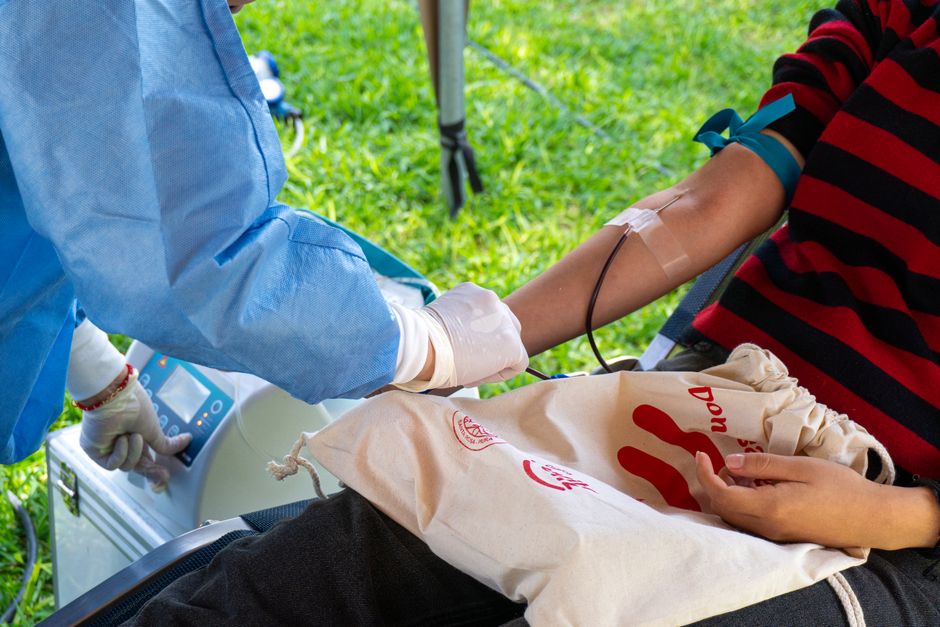
Most healthy adults can give blood safely, and the single most important thing you can do is show up well hydrated and well fed. Eat a normal meal within a few hours of your appointment, drink extra water starting the day before, and get a good night’s sleep. If you take medications or have a health condition, check the blood center’s eligibility list ahead of time so you are not turned away at the door.
What To Do Before Donating Blood Steps To Prepare
Preparation for blood donation is mostly about two things: keeping your own body stable during the draw, and making sure your blood is usable. A standard whole-blood donation removes roughly one pint, or about 450 to 500 milliliters. Your body replaces the plasma volume within about 24 to 48 hours, but rebuilding red blood cells takes longer — typically several weeks. That gap is why hydration and iron matter so much in the days before you donate.
The steps below are the ones blood centers and clinical guidance consistently emphasize. None of them are complicated. They work best when you start at least a day ahead rather than an hour before.
Hydration
Drink more water than usual in the 24 hours before your appointment. Many blood centers suggest an extra two to three cups of water in the hours leading up to donation, on top of your normal intake. Being well hydrated helps maintain your blood pressure during the draw and reduces the chance of feeling lightheaded afterward. Alcohol and heavy caffeine both work against you here, so go easy on them the day before.
Food and iron
Eat a full meal within a few hours of donating, and include iron-rich foods in the days before. Red meat, poultry, beans, lentils, spinach, and fortified cereals are common sources. Vitamin C helps your body absorb iron from plant foods, so pairing them makes sense. Donating blood removes iron along with red blood cells, and low iron is one of the most common reasons people are deferred or feel unwell afterward.
Avoid fatty, greasy meals right before you donate. High fat levels in the blood can interfere with some testing done on donated units, which means your donation may not be usable.
Sleep and timing
Get a normal night’s sleep. Being run-down raises the odds you will feel faint during or after the draw. Try to schedule your appointment when you are not rushing, and plan to stay at the center for about an hour total — the paperwork, screening, and mini-physical take time before the actual draw, which itself usually runs around 8 to 10 minutes.
What to bring and what to expect
- Photo ID and, if you have one, your donor card
- A list of medications you take
- A light snack and water for afterward
- Loose clothing with sleeves that roll up easily
What Should You Avoid Eating Before Donating Blood?
Skip high-fat foods in the hours before your appointment. That means fried food, greasy burgers, and heavy creamy dishes. Fat circulating in your blood can cloud the sample, and some centers screen for it because it complicates testing of the donated unit.
Alcohol is worth avoiding for at least 24 hours before donating. It dehydrates you and can affect how you feel during the draw. There is no strong evidence that a single drink disqualifies you, but the practical effect on hydration is real, and most centers advise against it.
You do not need to fast. In fact, donating on an empty stomach is one of the more common causes of lightheadedness. Eat something with protein and complex carbohydrates, and keep it simple.
How Much Water Should You Drink Before Donating Blood?
There is no single officially mandated number, but the general guidance from blood collection organizations is to add roughly 16 to 24 ounces of extra water in the hours before your appointment, on top of normal daily intake. Some centers offer water at check-in specifically for this reason.
The rationale is straightforward. Blood is mostly water, and losing about a pint reduces your circulating volume. If you are already underhydrated, your body has less reserve to compensate, and your blood pressure can dip when you stand up afterward. Drinking water before the draw helps your body handle that shift.
Plain water is the best choice. Sports drinks with electrolytes can help too, especially if you have been sweating or in the heat, but they are not required for most people.

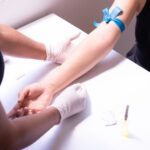
Can You Donate Blood If You Take Medication?
It depends on the medication, and this is where you should check with the blood center rather than guess. Many common medications — including most blood pressure drugs, thyroid replacement, and many antidepressants — do not disqualify you. Others do, either because of the drug itself or because of the condition it treats.
Blood thinners are a frequent concern. Anticoagulant and antiplatelet medications can affect eligibility because of bleeding risk during the draw. The specific rules vary by drug and by center.
Do not stop taking a prescribed medication in order to donate. That is a real risk and not worth it. Call the center ahead of time, describe exactly what you take, and let them tell you whether you qualify. The screening questionnaire will ask about medications anyway, so getting the answer early saves you a wasted trip.
Who Should Not Donate Blood?
Certain people should not donate, either permanently or for a set period. The list is long, but the main categories are worth knowing before you make an appointment.
- People with active infections, or who are currently unwell
- People with certain blood-borne infections, including HIV and some forms of hepatitis
- People who have recently traveled to or lived in areas with specific disease risks
- People who have recently gotten a tattoo or piercing, depending on state rules and the facility
- People with active cancer, or who have had certain cancers
- People who are pregnant
- People below the minimum weight requirement, which most centers set at 110 pounds
Age rules vary. Many centers allow donation from age 16 or 17 with parental consent, and there is no upper age limit for most donors as long as they meet health criteria. Eligibility rules change over time, so the current list from your local center is the one that matters.
One clarification that trips people up: being deferred does not necessarily mean you can never donate. Many deferrals are temporary and tied to a recent event, like a travel destination or a new piercing. Ask what the waiting period is.
What Should You Do After Donating Blood?
Rest for a few minutes and eat the snack the center provides before you leave. Keep the bandage on for several hours. Drink extra fluids for the rest of the day and avoid heavy lifting or intense exercise for the remainder of the day.
If you feel lightheaded, sit or lie down with your feet elevated until it passes. Most reactions happen within the first few minutes, which is why centers ask you to stay briefly. If you feel unwell later — persistent dizziness, a racing heart, or bleeding from the puncture site that will not stop — contact the center or seek medical care.
Plan to wait before donating again. Whole blood donors are typically asked to wait about eight weeks between donations, though the exact interval depends on the type of donation and local rules. Your body needs that time to rebuild red blood cells and iron stores.
Does Preparing Actually Make a Difference?
Yes, and the evidence points most clearly at hydration and eating. Donation-related reactions — mostly lightheadedness and fainting — are the main safety concern for healthy donors. Research consistently shows that being well hydrated and not donating on an empty stomach reduces the odds of these reactions.
Iron is the other area where preparation matters. Regular donors, and especially menstruating women, are at higher risk of low iron and iron-deficiency anemia over time. Some blood centers recommend iron supplementation for frequent donors, but this is not universal advice and should be discussed with a clinician rather than started on your own. Taking iron when you do not need it is not harmless.
What does not have strong evidence behind it is most of the folklore — special drinks, specific foods that “boost” your blood, or timing tricks. The basics are boring and they work. Water, food, sleep, and honesty on the screening questionnaire.
Frequently Asked Questions
Can I donate blood on an empty stomach?
No, and you should not. Donating without eating raises your risk of feeling faint or lightheaded, so eat a normal meal within a few hours beforehand.
How long before donating blood should I start drinking water?
Start at least the day before and add extra water in the hours leading up to your appointment. Most centers suggest roughly 16 to 24 extra ounces before you arrive.
Can I drink coffee before donating blood?
A normal amount of coffee is generally fine, but heavy caffeine can dehydrate you and is best limited. Water should be your main focus in the hours before donating.
What disqualifies you from donating blood?
Active infection, certain blood-borne infections, pregnancy, recent tattoos or piercings in some states, and certain medications or health conditions can disqualify you. Rules vary, so check with your local blood center.
