
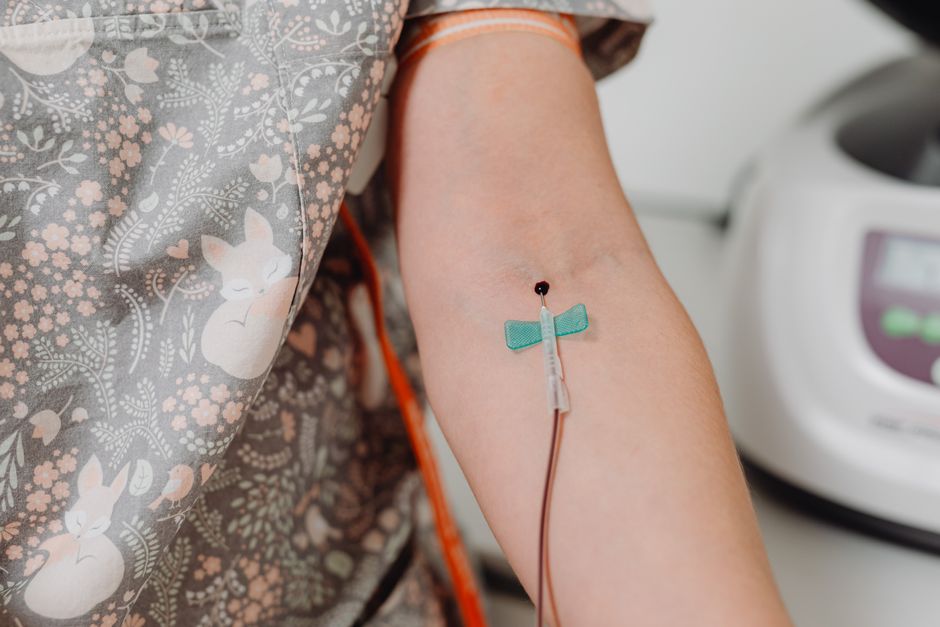
Getting blood work done is a routine part of healthcare, but many people get conflicting advice about how to prepare. The core rule is simple: follow the specific instructions your doctor or lab gave you. If they said to fast, you need to avoid all food and drinks except water for 8 to 12 hours before your test. If they did not mention fasting, you likely do not need to change anything about your eating or drinking habits. The key is to confirm what your particular test requires, because different blood tests have different preparation needs.
Should You Fast Before Every Blood Test?
No, and this is one of the most common misunderstandings about blood work. Fasting is only required for certain tests, not all of them. Research published by the American Heart Association shows that fasting is most important for lipid panels (cholesterol and triglycerides) and for fasting glucose tests. For these tests, eating can significantly change the results.
For many other common tests — like a complete blood count (CBC), basic metabolic panel, thyroid tests, or vitamin D levels — fasting is usually not required. Some doctors still recommend fasting for consistency, but the evidence does not support it as necessary. A study in JAMA Internal Medicine found that non-fasting lipid panels are actually fine for most people when it comes to assessing cardiovascular risk. The bottom line: if your doctor did not say “fast,” do not assume you need to.
What To Do Before Blood Work If You Are Fasting
If your test requires fasting, the standard rule is no food or drink except plain water for 8 to 12 hours before the blood draw. The CDC recommends scheduling your test first thing in the morning so most of the fasting happens while you sleep. That makes it much easier to stick to the rules.
Water is fine and actually helpful. Being dehydrated can make your veins harder to find and can affect some test results. Drink a glass or two of water before your appointment. Avoid coffee, tea, juice, gum, or any flavored drinks — even if they say “zero calories.” Some labs say black coffee is okay, but it is safer to skip it. Caffeine can temporarily raise your blood pressure and affect glucose and cortisol levels.
What About Medications and Supplements Before Blood Work?
This is where many people make mistakes. For most prescription medications, you should take them as usual unless your doctor specifically told you to skip them. Blood pressure medications, thyroid medications, and most others do not interfere with fasting blood tests. Taking your daily medication with a small sip of water is fine — that does not break a fast.
Supplements are a different story. Some supplements can significantly affect blood test results. Biotin (vitamin B7), found in many hair, skin, and nail supplements, is known to interfere with thyroid tests and troponin tests. The FDA has issued warnings about this. High doses of vitamin C can affect glucose and creatinine tests. Fish oil can affect clotting tests. The safest approach is to stop all supplements 24 to 48 hours before your blood work, unless your doctor advised otherwise. If you take prescription blood thinners like warfarin, never stop them without talking to your doctor first.


What To Avoid Before Blood Work for Accurate Results
Beyond food and medication, other factors can skew your blood test results. Alcohol is a big one. Drinking alcohol the night before can affect liver enzyme tests, triglycerides, and glucose levels. The CDC advises avoiding alcohol for at least 24 hours before blood work that checks your liver function or lipid levels.
Strenuous exercise is another factor many people overlook. Intense workouts can temporarily elevate muscle enzymes like creatine kinase (CK), as well as cortisol and inflammatory markers. A study in the Journal of Clinical Pathology found that heavy exercise before blood work can raise liver enzymes enough to cause false abnormal results. Stick to light walking or rest the day before your test.
Smoking and vaping can also affect results. Nicotine raises blood pressure and heart rate and can affect glucose levels. If you can, avoid smoking for at least an hour before your blood draw. For fasting tests, it is best to avoid it entirely until after the draw.
| Factor | Effect on Blood Work | What To Do |
|---|---|---|
| Food (non-fasting tests) | Minimal to no effect on most tests | Eat normally unless told to fast |
| Food (fasting tests) | Raises glucose and triglycerides significantly | Fast 8-12 hours, water only |
| Alcohol within 24 hours | Raises liver enzymes and triglycerides | Avoid for 24 hours before test |
| Strenuous exercise | Raises muscle and liver enzymes | Rest the day before |
| Biotin supplements | Interferes with thyroid and troponin tests | Stop 24-48 hours before |
| Dehydration | Makes veins hard to find, concentrates blood | Drink water before the draw |
How To Make the Blood Draw Easier on Yourself
Many people feel anxious about needles, and that is completely normal. But there are practical steps you can take to make the experience smoother. Stay hydrated — this is the single most effective thing you can do to make your veins easier to find. Drink 16 to 24 ounces of water in the hour before your appointment, unless your doctor told you to restrict fluids.
Wear clothing with sleeves that roll up easily. A short-sleeve shirt or a top with loose sleeves saves time and frustration. If you have a history of difficult blood draws, tell the phlebotomist. They may use a smaller needle or a different vein site. Some people find that applying a warm compress to the area for a few minutes before the draw helps veins become more visible.
If you feel faint or lightheaded during blood draws, let the staff know before they start. They can have you lie down during the draw. Eating a small snack and drinking water right after the draw can help you feel better quickly. Do not drive yourself if you have a history of fainting.
Does the Time of Day Matter for Blood Work?
Yes, for some tests it does. Cortisol levels naturally fluctuate throughout the day, with the highest levels in the early morning. Testosterone also peaks in the morning. For these hormone tests, blood draws are typically scheduled between 7 and 9 AM. The same applies to fasting glucose and lipid tests — getting them done early means you spend less of your day hungry.
For most routine tests, the time of day matters much less. A CBC or basic metabolic panel will give similar results whether you test at 8 AM or 2 PM. The key is consistency. If you are getting repeat blood work to monitor a condition, try to have your blood drawn at roughly the same time of day each time. This removes one variable that could affect comparison between results. Some studies suggest that even for non-hormonal tests, morning draws tend to be more reliable simply because people are more consistent with fasting and hydration early in the day.
Frequently Asked Questions
Can I drink coffee before blood work?
If you are fasting, skip the coffee. Even black coffee can affect glucose and lipid results. If you are not fasting, coffee is fine but skip the cream and sugar.
Can I brush my teeth before a fasting blood test?
Yes, brushing your teeth is fine. Just be careful not to swallow any toothpaste. Water is allowed during fasting.
How long does it take to get blood test results back?
Most routine results come back within 24 to 48 hours. Some specialized tests can take a week or longer. Your doctor’s office will contact you when results are ready.
What happens if I eat before a fasting blood test?
Your results may be inaccurate, especially for glucose and cholesterol. The lab may still run the test, but your doctor may ask you to repeat it. It is best to reschedule if you accidentally ate.
