
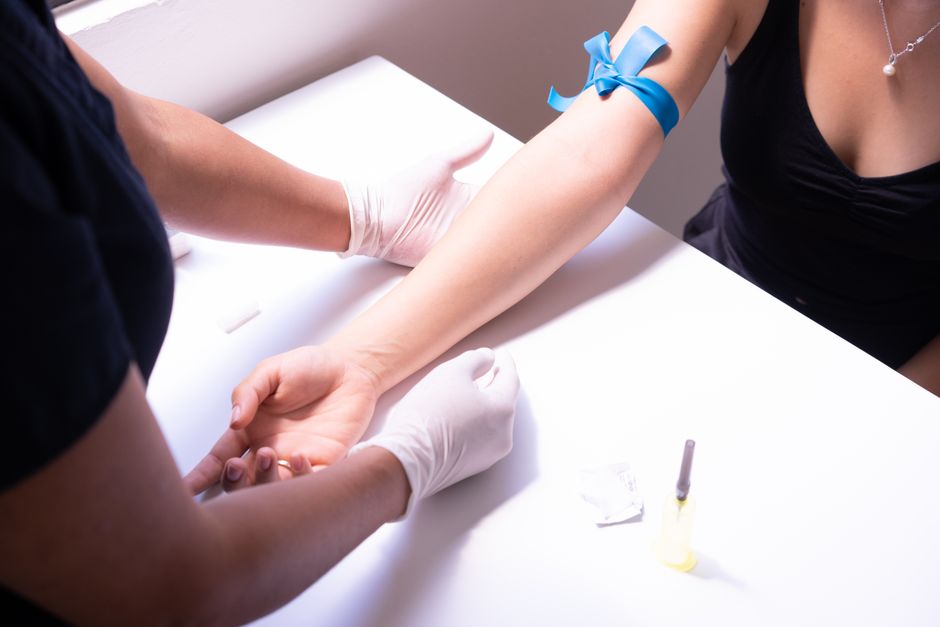
Getting blood drawn is rarely anyone’s favorite activity, but when you have small or difficult veins, it can feel like a whole different challenge. You might have been told you have “rolling veins,” or the phlebotomist has to poke you multiple times. The good news is that you can do several things ahead of time to make the process smoother. The key is to focus on hydration, warmth, and communication with the person drawing your blood. Drinking plenty of water in the 24 hours before your test is the single most effective step you can take. Staying warm helps your veins expand and become more visible. And telling the phlebotomist about your small veins right away lets them choose the best technique and equipment from the start.
Why Do Some People Have Small Veins?
Some people are simply born with smaller veins. It is a matter of genetics and body structure. Others develop smaller or harder-to-find veins over time due to factors like dehydration, aging, or certain medical conditions.
Dehydration is a big factor. When your body is low on fluids, your blood volume drops and your veins constrict. This makes them harder to see and feel. Research shows that even mild dehydration can reduce vein visibility significantly. Chronic conditions like diabetes or kidney disease can also affect vein health and size.
Another common cause is repeated blood draws or IV use. Scar tissue can form over time, making the veins feel tougher and less elastic. This is especially common in people who need frequent blood work, like those on certain medications or undergoing treatment. The veins are still there, but they become less cooperative.
How To Prepare For Blood Work With Small Veins
The most important step is hydration. Start drinking extra water the day before your blood test, not just the morning of. Aim for 8 to 10 glasses of water spread throughout the day. Your veins are essentially fluid-filled tubes, and when you are well-hydrated, they plump up and become easier to access.
Warmth is equally critical. Cold temperatures cause your veins to constrict. Before your appointment, keep your arms warm. Wear a long-sleeved shirt or a jacket. If you are in the waiting room, ask for a warm blanket or hold a warm compress against your arm for five to ten minutes. Some clinics have heating pads available. Do not use boiling water or anything that could burn your skin.
Movement helps too. Gentle arm exercises right before the draw can increase blood flow to your veins. Try making a fist several times, or do some light arm swings. Avoid heavy lifting right before, as that can cause muscle tension that makes veins harder to find.
- Hydrate well for 24 hours before your test
- Keep your arms warm with clothing or a warm compress
- Do gentle arm exercises like making a fist
- Tell the phlebotomist about your small veins immediately
- Avoid caffeine and alcohol for 12 hours before, as they dehydrate you
What Actually Happens at the Lab for Difficult Veins?
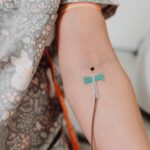
When you tell the phlebotomist you have small veins, they should change their approach. Many will use a smaller needle, often called a butterfly needle. This device is designed for smaller or more fragile veins and causes less trauma to the vessel.
The phlebotomist will also take more time to find a good vein. They may check both arms, the back of your hand, or even your wrist area. They will likely use a tourniquet that is snug but not too tight. Leaving the tourniquet on too long can actually collapse a small vein, so a good phlebotomist will release it quickly.
Some clinics use a vein finder device. This is a handheld tool that uses near-infrared light to map out your veins on the surface of your skin. It is not available everywhere, but if you know a lab has one, it is worth requesting. Studies have found that vein finders improve first-stick success rates in people with difficult veins.
Do not be afraid to ask for a more experienced staff member. Phlebotomists who work in hospitals or pediatric clinics often have more practice with small veins. A simple request like “Could I please have someone who is experienced with difficult veins?” is perfectly reasonable.
What to Avoid Before Blood Work
Some common habits can make small veins worse. Caffeine is a vasoconstrictor, meaning it narrows your blood vessels. Coffee, tea, and energy drinks can make your veins even smaller and harder to find. Stick to water only for at least a few hours before your test.
Alcohol has the opposite effect in some ways, but it is still not helpful. Alcohol dehydrates your body, which reduces blood volume. It can also make you feel lightheaded during the draw. Avoid alcohol for at least 24 hours before blood work.
Do not smoke or vape before your appointment. Nicotine is a powerful vasoconstrictor. It shrinks your veins and can make the process much harder. If you smoke, try to wait until after the blood draw.
Another thing to avoid is wearing tight sleeves or cuffs. If your shirt is tight around your upper arm, it can restrict blood flow and make veins harder to see. Wear loose, comfortable clothing that can be easily rolled up past your elbow.
Comparing Different Preparation Methods
Not all preparation methods work equally well. Here is a comparison of common approaches based on what the evidence shows.
| Method | How It Works | Effectiveness | Best Practice |
|---|---|---|---|
| Hydration | Increases blood volume, plumps veins | High – strongest evidence | Start 24 hours before, drink water steadily |
| Warm compress | Dilates veins near the surface | High – works quickly | Apply for 5-10 minutes before draw |
| Arm exercises | Increases local blood flow | Moderate – helps but not a standalone solution | Gentle fist clenching, no heavy lifting |
| Topical creams | Numbing or vasodilating agents | Low – not enough evidence for routine use | Only if prescribed by a doctor |
| Vein finder devices | Uses infrared light to map veins | High – improves first-stick success | Ask if available at your lab |
As the table shows, hydration and warmth are the two methods with the strongest research backing. They are free, safe, and easy to do at home. Devices like vein finders are excellent but depend on clinic availability.
Common Misconceptions About Small Veins and Blood Draws
Many people believe that drinking coffee before a blood test helps because caffeine is a stimulant. This is false. Caffeine constricts blood vessels, making veins harder to find. It also acts as a mild diuretic, which can worsen dehydration. Skip the coffee.
Another myth is that you should squeeze your fist tightly during the draw. This can actually cause your veins to collapse or roll away. A gentle fist or no fist at all is better. Let the phlebotomist guide you on this.
Some people think that being overweight automatically means you have small veins. That is not accurate. Body size does not directly determine vein size. People of all body types can have small or deep veins. The issue is often about vein depth and visibility, not actual diameter.
There is also a belief that drinking a lot of water right before the test will fix everything. While it helps, it is not a last-minute solution. Your body needs time to absorb the water and increase your blood volume. Consistent hydration over 24 hours is what works, not chugging water in the parking lot.
When to See a Doctor About Difficult Blood Draws
If you consistently have problems with blood draws despite preparing well, it might be time to talk to your doctor. Some people have a condition called sclerosed veins, where the vein walls become thickened and hard. This can happen after repeated IV use or certain medical treatments.
Your doctor can check for underlying issues that might be affecting your veins. Conditions like peripheral artery disease or chronic venous insufficiency can change how your veins look and feel. Blood tests can rule out clotting disorders or other problems.
In rare cases, a person might have a vascular anomaly or a genetic condition that affects vein structure. This is uncommon, but if you have had multiple failed draws and no one can explain why, it is worth asking about it. A vascular specialist can do imaging to look at your veins more closely.
For most people, though, the combination of good hydration, warmth, and clear communication with the phlebotomist is enough to make blood work much easier. The process does not have to be painful or stressful.
Frequently Asked Questions
Can I drink coffee before blood work with small veins?
No, coffee and other caffeinated drinks constrict your blood vessels and make small veins even harder to find. Stick to water.
How much water should I drink before a blood test?
Drink 8 to 10 glasses of water spread over the 24 hours before your test, not all at once right before the appointment.
Does a butterfly needle always work better for small veins?
Butterfly needles are often better for small or fragile veins because they are smaller and cause less damage, but success still depends on the phlebotomist’s skill.
What should I do if the phlebotomist cannot find a vein?
Ask for a warm compress, request a more experienced staff member, or see if they have a vein finder device available at the clinic.
