
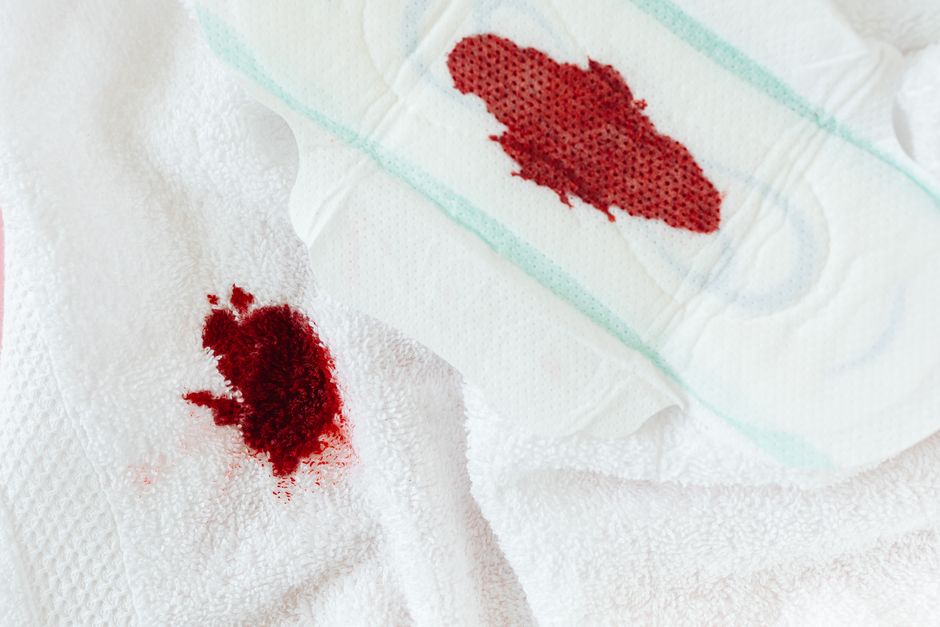
Cold water removes blood from fabric better than hot water. The key temperature is below 86°F (30°C) — cold tap water, roughly 60-80°F, is what most washing machine “cold” settings deliver. Hot water cooks blood proteins into the fibers, making stains much harder to remove. For fresh blood stains, rinse in cold water as soon as possible, then wash on a cold cycle.
What Temp To Wash Blood Out Cold Water Wins
Blood is a protein-based stain, and protein behaves like egg white when heated. It coagulates — sets into a solid — and binds tightly to fabric fibers. Once that happens, the stain is locked in at a chemical level that no detergent fully reverses.
Cold water keeps the protein soluble so it can be lifted out. This is why cold water wins for blood: it doesn’t just clean better, it prevents the stain from becoming permanent. Hot water does the opposite. It sets the stain and can make a light stain into a dark, fixed one within a single wash cycle.
Most washing machines label a cold setting as somewhere around 60-80°F, though exact temperatures vary by machine. The important threshold is staying below roughly 86°F. Anything above that accelerates protein coagulation.
One clarification worth knowing: the “cold” setting on many modern machines isn’t truly cold. Some mix in small amounts of warm water. If you’re dealing with a valuable garment or a large stain, check your machine’s manual or use a tap-water rinse first before trusting the cycle label.
Why Does Hot Water Make Blood Stains Worse?
Heat denatures proteins. That’s the same process that turns raw egg into cooked egg — the protein structure unfolds and then re-forms into a rigid, insoluble network. Blood contains hemoglobin and other proteins that respond the same way.
When blood-soaked fabric hits hot water, those proteins coagulate and physically entangle with the fabric fibers. The stain also oxidizes and darkens. What might have been a faint pink mark becomes a brown, set stain.
Detergent chemistry matters here too. Most laundry detergents contain enzymes — proteases — designed to break down protein stains. These enzymes work within a specific temperature range. Too hot, and the enzymes themselves denature and stop working. Cold water actually keeps protease enzymes functional, which is part of why cold washing can be effective for protein stains when paired with an enzyme detergent.
This is where a lot of people go wrong. They see blood, think “hot water kills germs and cleans better,” and reach for the hot tap. For blood specifically, that instinct backfires.
Does Cold Water Actually Clean Blood Well Enough?
Yes, for fresh stains. Cold water combined with an enzyme-based detergent removes most fresh blood stains effectively. The protein hasn’t set yet, so it lifts readily.
Cold water is less effective on old, dried, or already-set stains. If blood has dried into fabric or was previously washed in warm water, cold water alone may not fully remove it. In those cases, pretreatment matters more than wash temperature.
Some clinicians and cleaning professionals recommend a short soak in cold water with an oxygen-based bleach (the color-safe kind, not chlorine bleach) before washing. Oxygen bleaches work better in warm water by their own instructions, so there’s a tradeoff — but for blood, keeping the initial rinse cold is the priority. Follow the product label for the soak step.
The honest position: cold water is clearly the right choice for blood, and it works well on fresh stains. For set stains, no temperature fully guarantees removal. Managing expectations matters.



Step-By-Step: Removing Blood From Fabric
Act fast, stay cold, and don’t rub. Here’s the sequence that works for most fabrics:
- Rinse immediately in cold running water from the back of the stain, pushing blood out rather than through the fabric.
- Never use hot water at any stage, including the initial rinse.
- Apply enzyme detergent or a small amount of liquid laundry detergent directly to the stain and let it sit for several minutes.
- Gently work the fabric between your fingers. Avoid hard scrubbing, which pushes stain deeper and damages fibers.
- Soak in cold water if the stain persists, then rewash on a cold cycle.
- Air dry rather than machine dry until you confirm the stain is gone — heat from a dryer will set any remaining blood.
That last point is the one people skip. Machine drying a still-stained garment is the most common way a removable stain becomes permanent. Always check before drying.
For upholstery, mattresses, or carpets, blot with a cold, damp cloth and avoid heat-based cleaning methods. The same protein principle applies to any surface.
Does Water Temperature Matter For Different Fabrics?
The cold-water rule holds across fabrics, but the surrounding care instructions vary. Delicate fabrics like silk and wool require cold water regardless of staining, so blood removal aligns with their normal care. Cotton and synthetics tolerate cold fine.
What changes is the method, not the temperature. Delicate fabrics should be blotted and hand-rinsed rather than scrubbed. Enzyme detergents are generally suitable for most washable fabrics, but check the garment’s care label — some specialty fabrics have specific detergent restrictions.
For anything labeled dry-clean only, the safest move is to blot gently with cold water and take it to a professional promptly. Tell them it’s a blood stain so they treat it correctly.
When Should You See a Doctor About a Blood Stain?
A blood stain on clothing or bedding is usually just a laundry problem. But unexplained blood on fabric — where you don’t know the source — can occasionally point to a health issue worth checking.
Blood in urine (hematuria), blood in stool, or unexplained bleeding can have many causes, some harmless and some serious. If you notice blood where it shouldn’t be and can’t account for it, that’s a reason to see a clinician. This is not a laundry question at that point.
Similarly, a nosebleed or small cut that soils fabric is normal. Bleeding that won’t stop, or that happens without a clear cause, warrants medical attention. The stain itself is trivial; the source sometimes isn’t.
The Bottom Line On Blood And Water Temperature
Cold water wins for blood every time. Stay below 86°F, rinse from the back of the stain, use an enzyme detergent, and never machine dry until the stain is confirmed gone. Hot water sets blood proteins into fabric in a way that’s often irreversible.
The science here is solid and consistent: protein stains respond to cold, and heat makes them worse. That’s one of the more reliable rules in laundry care — and it costs nothing to follow.
Frequently Asked Questions
What temperature of water removes blood stains?
Cold water below 86°F (30°C) is best for blood stains. Cold keeps blood proteins soluble so they rinse away instead of setting into the fabric.
Can I use hot water on a blood stain if I rinse it quickly?
No, even a quick hot rinse can start setting the protein. Use cold water at every stage, including the first rinse and the wash cycle.
Does cold water remove dried blood stains?
Cold water works best on fresh stains and is less effective on dried or set blood. For dried stains, soak in cold water with an enzyme detergent first, then rewash cold.
What if the blood stain is still there after washing?
Rewash on a cold cycle with enzyme detergent and air dry rather than machine dry. Heat from a dryer will permanently set any remaining stain.
