
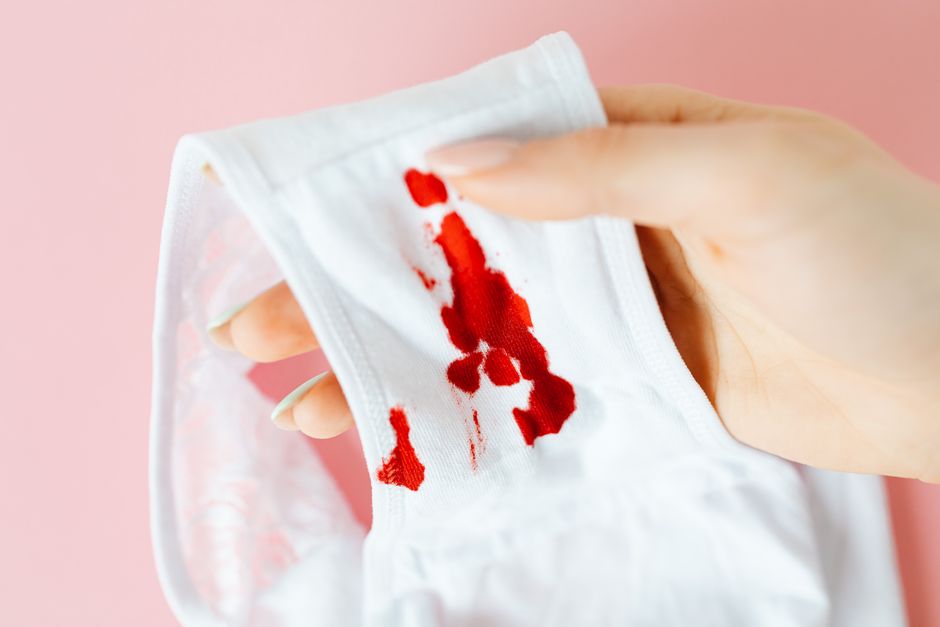
Blood stains need cold water. Hot water sets blood proteins into fabric fibers, making the stain much harder to remove. This is not a folk remedy — it comes down to how protein behaves when heated. Cold water keeps those proteins loose so they can be rinsed away before they bind permanently.
Most people reach for hot water by instinct. It works for grease and many everyday stains. Blood is different, and the temperature rule matters more than almost any cleaning product you could buy.
Do You Wash Blood Stains In Cold Or Hot Water?
Cold water is the correct choice. Blood contains proteins, including hemoglobin, that coagulate when exposed to heat. This is the same process you see when an egg white turns solid in a hot pan. Once those proteins set inside fabric, they lock into the fibers and become far more difficult to lift out.
Hot water does not just fail to help. It actively makes the problem worse by bonding the stain to the material. The same logic applies to other protein-based stains like egg, milk, and sweat. Cold water first is the standard approach for all of them.
The temperature principle is well established. What is less settled is how well any given home method works on an old, fully dried stain. Fresh stains respond well to cold water. Set-in stains are a different challenge, and results vary.
Why Does Hot Water Make Blood Stains Worse?
Heat causes proteins to denature and coagulate. Denaturing means the protein’s structure unfolds and changes shape. Coagulation means those unfolded proteins clump together and become solid, similar to cooking an egg. When this happens within fabric, the protein mass gets trapped in the spaces between fibers.
Cold water does the opposite. It keeps proteins soluble and mobile, so they can be flushed out with the water rather than clinging to the material. This is why the first rinse matters so much — you want to remove as much liquid blood as possible before it dries.
There is a related point that many people miss. Even the drying step matters. Letting a blood stain air-dry or run through a hot dryer cycle can set it just as effectively as hot water. If you wash a stained item in cold water but then dry it on high heat, you may undo your progress. Air-drying until you confirm the stain is gone is the safer habit.
How Should You Treat a Fresh Blood Stain?
Act quickly and use cold water. The faster you address a fresh stain, the better your result. Here is a practical sequence:
- Blot the stain with a clean cloth or paper towel. Do not rub, which pushes blood deeper into the fibers.
- Rinse from the back of the fabric with cold running water. Pushing water through from behind helps force the blood out rather than further in.
- Apply a small amount of liquid laundry detergent or a mild soap directly to the stain.
- Work it in gently with your fingers or a soft brush.
- Rinse again with cold water and check the result before drying.
Repeat the detergent and rinse steps if some stain remains. Patience with repeated cold rinses tends to work better than one aggressive attempt.
For fabrics you cannot rinse immediately, keep the stain damp if possible. Dried blood is harder to remove than fresh blood, so preventing it from setting gives you a real advantage.




What About Dried or Set-In Blood Stains?
Dried stains are harder, but cold water still applies. Never switch to hot water just because the stain is old. Heat will set it further.
Soaking can help. Place the item in cold water and let it sit. Some people add a small amount of enzyme-based detergent, because enzymes can break down protein. The evidence that enzyme detergents outperform regular detergent on blood is reasonable but not overwhelming, and results depend on the specific product and how long the stain has been set.
For stubborn dried stains, a common approach is to soak in cold water, then apply detergent and let it sit before rinsing. Some clinicians and cleaning references suggest a diluted hydrogen peroxide solution for white fabrics, but this carries a real risk. Hydrogen peroxide can bleach or damage colored fabrics and some delicate materials. Test it on a hidden area first, and avoid it on anything you care about keeping its color.
If a stain has already been through a hot dryer cycle, it may be permanently set. At that point, no home method is guaranteed to remove it fully.
Does the Type of Fabric Change the Approach?
Cold water is safe for essentially all washable fabrics, which is another reason it is the default. Hot water can shrink or damage some materials regardless of the stain.
Here is how common fabrics generally respond:
| Fabric | Cold water | Notes |
|---|---|---|
| Cotton | Safe | Durable, tolerates most cold-water methods |
| Polyester and synthetics | Safe | Blood can cling to synthetic fibers; act quickly |
| Wool | Safe | Avoid heat and agitation; can shrink |
| Silk | Use caution | Delicate; test any product first |
| Linen | Safe | Can wrinkle; handle gently |
For delicate fabrics like silk, cold water alone may not be enough, and harsh products can cause damage. When in doubt, a professional cleaner is the safer route. There is no reliable home method that guarantees stain removal on every delicate fabric without risk.
Does Cold Water Work on Old Blood Stains on Mattresses and Upholstery?
The same principle applies, but you cannot toss a mattress in the wash. For surfaces you cannot rinse, the goal shifts to lifting the stain with minimal moisture.
Blot with a cloth dampened with cold water. Avoid soaking the material, which can lead to moisture problems inside cushions or mattresses. A small amount of mild detergent on a cloth, worked gently into the stain, followed by blotting with a clean damp cloth, is a reasonable approach.
Enzyme-based cleaners are often used on upholstery for protein stains. They can help, though results vary and depend on how long the stain has been there. Always test any cleaner on a hidden spot first, since some products can discolor fabric.
Do not use hot water or a steam cleaner on a blood stain. The heat can set the stain and, on some surfaces, drive it deeper.
What Common Mistakes Make Blood Stains Harder to Remove?
Several everyday habits work against you:
- Using hot water, which sets the protein.
- Rubbing the stain, which spreads it and pushes it deeper.
- Letting the stain dry before treating it.
- Drying the item in a hot dryer before confirming the stain is gone.
- Using chlorine bleach on protein stains. Bleach can react with blood proteins and may set or discolor the stain rather than remove it, and it can damage many fabrics.
The dryer mistake is easy to make and hard to reverse. Always check the stain in good light after washing and before drying. If any trace remains, treat it again with cold water.
One clarification worth keeping in mind: the cold-water rule is about the protein, not about the color of the fabric. People often assume cold water is only for preventing color bleed. That is one reason to use it, but for blood the main reason is stopping the protein from setting.
Frequently Asked Questions
Is cold water or hot water better for blood stains?
Cold water is better because heat sets the proteins in blood into the fabric. Hot water makes the stain harder, not easier, to remove.
Why does hot water set blood stains?
Heat causes blood proteins to coagulate, similar to how an egg cooks, which locks them into the fabric fibers. Cold water keeps those proteins loose so they can be rinsed away.
Can you get dried blood stains out with cold water?
Cold water still helps on dried stains, often with soaking and an enzyme-based detergent. A stain that has already been through a hot dryer cycle may be permanently set and cannot be fully removed.
Does hydrogen peroxide remove blood stains?
Hydrogen peroxide can help on white fabrics, but it can bleach or damage colored and delicate materials. Test it on a hidden area first, and avoid it on anything you want to keep its color.
