
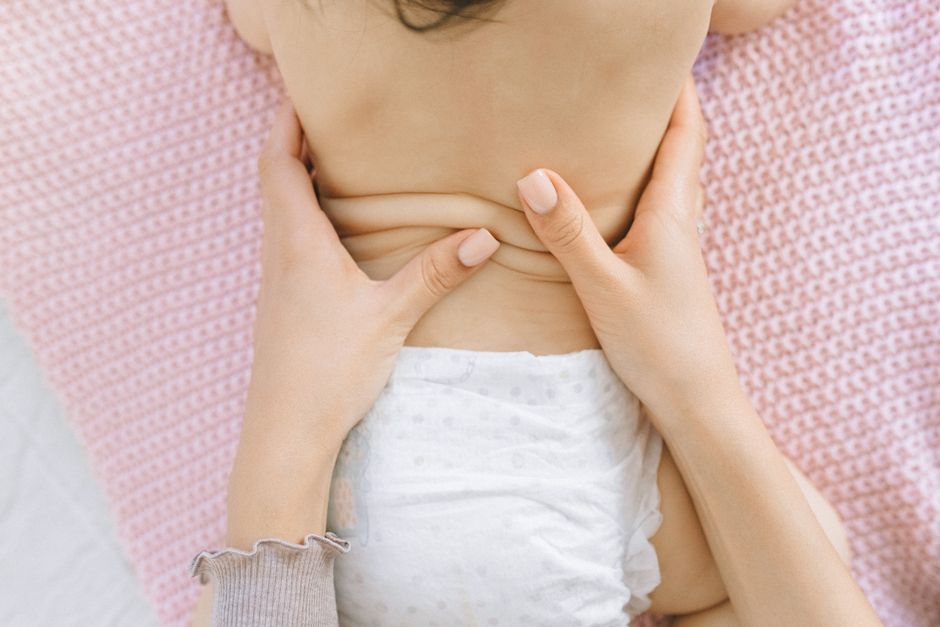
Newborns cannot regulate their body temperature the way adults can. The safe room temperature range for a newborn is 68 to 72 degrees Fahrenheit (20 to 22 degrees Celsius). This range reduces the risk of overheating and Sudden Infant Death Syndrome (SIDS) while keeping your baby comfortable. If the room feels comfortable for you in a light shirt, it is likely right for your baby.
Why Does Room Temperature Matter for a Newborn?
A newborn’s body is still learning how to control its own temperature. Babies have a larger surface area relative to their body weight. This means they lose heat faster than adults do. They also cannot shiver effectively to generate warmth. Their sweat glands are not fully developed either, making it hard to cool down.
Research published in Pediatrics found a clear link between overheating and a higher risk of SIDS. The American Academy of Pediatrics (AAP) recommends keeping the room at a cool, comfortable temperature to reduce this risk. Overheating is one of the few modifiable risk factors for SIDS.
A room that is too cold is also a problem. A cold baby burns extra calories just to stay warm. This can interfere with weight gain and feeding patterns. A baby who is too cold may also become fussy and have trouble sleeping. The goal is a neutral thermal environment where the baby does not have to work to stay warm or cool down.
What Temperature Should a Room Be for a Newborn at Night?
The same 68 to 72 degree range applies during sleep. Do not turn the thermostat up at night. Many parents worry their baby is cold and raise the temperature. This is a common mistake. A cooler room is safer for sleep.
Dress your baby for the room temperature, not the season. A good rule is to add one more layer than you are comfortable wearing. If you are in a short-sleeve shirt, put your baby in a long-sleeve onesie with a lightweight sleep sack. Do not use loose blankets in the crib. The AAP advises against any soft bedding for the first year.
Check your baby’s temperature by feeling the back of the neck or the chest. Hands and feet are often cool even when the baby is fine. That is normal circulation. If the neck feels sweaty or the chest is hot, remove a layer. If the neck feels cool, add a layer.
What Does Research on Safe Room Temperature for Newborns Show?
A 2017 study in JAMA Pediatrics looked at temperature regulation and SIDS risk factors. The researchers found that room temperatures above 75 degrees Fahrenheit increased the risk of overheating. The same study confirmed that the 68 to 72 degree range was associated with lower risk.
The National Institutes of Health (NIH) has funded multiple studies on infant sleep environments. The evidence consistently shows that a cooler room is safer. There is no evidence that a warmer room helps a baby sleep longer or better. The opposite may be true — a baby who is too warm may wake more often.
Some parents believe a warm room prevents colds. This is not supported by evidence. Viruses cause colds, not cold air. Keeping a room warm does not prevent illness and may create an unsafe sleep environment. The AAP, the CDC, and the NIH all agree on the 68 to 72 degree recommendation.





How to Keep Your Newborn’s Room at the Right Temperature
Use a digital thermometer in the nursery. Do not rely on the thermostat in the hallway or the main living area. Room temperatures vary within a house. A cheap digital thermometer costs less than ten dollars and gives you an accurate reading.
Dress your baby in layers. A cotton onesie under a sleep sack is a good starting point. Adjust based on your baby’s cues. Avoid hats for sleep. Babies lose heat through their heads, but covering the head during sleep increases the risk of overheating. Hats are fine for outdoor walks but not for unsupervised sleep.
Do not place the crib near a window, a heater, or an air conditioning vent. Direct drafts or heat sources create uneven temperatures. The crib should be in a spot with consistent airflow. A ceiling fan on low is acceptable and may even reduce SIDS risk according to some research.
| Room Temperature | Recommended Sleepwear | Signs Baby Is Too Warm or Cold |
|---|---|---|
| 68-72°F (20-22°C) | Long-sleeve onesie + lightweight sleep sack | Neck feels warm but not sweaty |
| Below 68°F | Long-sleeve onesie + thicker sleep sack + footed pajamas | Neck feels cool, baby is fussy or curled up |
| Above 72°F | Short-sleeve onesie alone or with thin sleep sack | Neck feels sweaty, chest is hot, cheeks are flushed |
Common Misconceptions About Newborn Room Temperature
Myth: Babies need a warm room to sleep well. This is widely claimed but strong evidence is limited. Babies sleep well in a cool, comfortable environment. A warm room often leads to restless sleep because the baby is uncomfortable.
Myth: Cold rooms cause babies to get sick. The CDC states that cold temperatures do not cause illness. Viruses and bacteria cause infections. A cold room may make a baby uncomfortable but it will not give them a cold.
Myth: You can tell if a baby is cold by feeling hands and feet. This is false. A baby’s hands and feet are often cool because their circulatory system is still maturing. The back of the neck is the reliable spot to check.
Myth: Space heaters are safe for nurseries. Space heaters can cause uneven heating and create fire hazards. They also dry out the air. If you need supplemental heat, use a radiator-style heater placed far from the crib and never leave it on unattended.
What to Avoid When Managing Your Newborn’s Room Temperature
Do not use heavy blankets, quilts, or comforters in the crib. These items trap heat and increase suffocation risk. Sleep sacks are the safe alternative. They keep the baby warm without loose fabric.
Do not overdress your baby. Some parents put a hat, a heavy sleeper, and a thick blanket on a baby in a 70-degree room. This is dangerous. Overheating is a known SIDS risk factor. If you are comfortable in a t-shirt, your baby does not need a winter coat.
Do not rely on baby monitors with temperature sensors alone. These devices can be inaccurate. Use a standalone thermometer as your primary tool. Monitors are useful for sound and video but not for temperature precision.
Do not use electric blankets or heating pads in or near the crib. These devices can cause burns and overheating. They are not designed for infant sleep environments.
Signs Your Baby Is Too Warm or Too Cold
Signs of overheating:
- Neck or chest feels hot and sweaty
- Flushed red cheeks
- Rapid breathing
- Fussiness or restlessness
- Damp hair or clothing
Signs your baby is too cold:
- Neck or chest feels cool to the touch
- Pale skin
- Fussiness or crying
- Lethargy or difficulty waking
- Shivering (rare in newborns but possible)
If you see any of these signs, adjust the room temperature or your baby’s clothing. Trust your observation. You know your baby better than any thermometer. The thermometer is a guide, not a replacement for checking on your baby regularly.
Does Room Temperature Affect SIDS Risk?
Yes. The AAP lists overheating as a modifiable risk factor for SIDS. Keeping the room between 68 and 72 degrees is one of the easiest ways to reduce risk. The exact mechanism is not fully understood, but overheating is believed to interfere with a baby’s ability to arouse from sleep.
A 2019 review in Sleep Medicine Reviews analyzed multiple studies on infant sleep environments. The authors found that room temperatures above 75 degrees were consistently associated with higher SIDS risk. They also found that babies who were overdressed or covered with heavy blankets were at higher risk even in cooler rooms.
The combination of a cool room and appropriate sleepwear is protective. No single factor prevents SIDS, but temperature control is one of the few things parents can directly manage. The AAP, the NIH, and the CDC all recommend the same range. This is not controversial advice — it is settled science.
Frequently Asked Questions
What temp should a room be for a newborn at night?
68 to 72 degrees Fahrenheit (20 to 22 degrees Celsius) is the safe range for nighttime sleep. Do not raise the temperature at night.
Is 74 degrees too hot for a newborn room?
74 degrees is above the recommended range and increases the risk of overheating. Keep the room at 72 degrees or lower.
Can a newborn sleep in a room without a heater in winter?
Yes, as long as the room stays above 68 degrees. Dress the baby in appropriate layers if the room is cooler.
How do I know if my baby is cold at night?
Feel the back of the neck. If it feels cool, add a layer. Do not rely on hands or feet as they are normally cool.
