
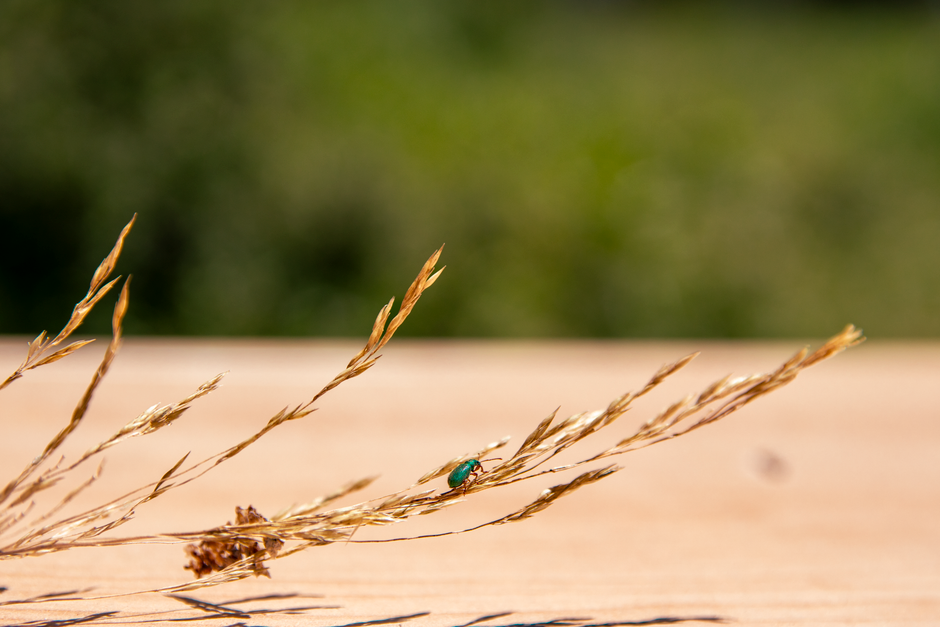
Finding a weevil in your flour or pasta is unsettling. These small beetles seem to appear from nowhere, often inside sealed packages. The truth is that weevils usually come into your home inside food packaging from the store. They can also enter through tiny gaps around windows and doors. Getting rid of them means finding the source, throwing out infested food, and cleaning your pantry thoroughly.
Where Do Weevils Come From?
Weevils are small beetles with elongated snouts. The ones you find in your kitchen are usually granary weevils, rice weevils, or maize weevils. They feed on stored grains, flour, pasta, cereal, and other dry goods.
Most infestations start at a food processing facility or warehouse. Female weevils lay eggs inside grain kernels. The eggs are invisible to the naked eye. When the grain is packaged and shipped, the eggs travel with it. By the time you open the package at home, the larvae have hatched and grown into adult beetles.
This is why you can find weevils in a brand-new, unopened bag of flour. The infestation was already there before the package ever reached your kitchen. Some research suggests that a single female weevil can lay hundreds of eggs, which explains how a small problem becomes a large one quickly.
Weevils can also enter your home from the outside. They are attracted to warmth and food. Cracks around doors, windows, and utility lines provide easy entry points. However, this is less common than bringing them home in groceries.
How Do Weevils Spread Inside Your Home?
Once weevils are in your pantry, they do not stay in one package. They can chew through thin cardboard, plastic film, and paper packaging. This allows them to move from one box of food to another.
They are also attracted to light. You may see them crawling on countertops or flying near windows. Adult weevils can fly, which helps them spread to other rooms.
Weevils reproduce quickly in warm conditions. A kitchen pantry kept at room temperature provides an ideal environment. Eggs hatch within days, and larvae feed on the food around them. The entire life cycle can complete in as little as four weeks in warm weather.
How To Identify A Weevil Infestation
Look for small brown or black beetles in your dry goods. They are typically about one-eighth to one-quarter of an inch long. The snout is a key identifying feature, though it may be hard to see without a magnifying glass.
Check for other signs as well:
- Small holes in grain kernels or pasta
- Fine dust at the bottom of food packages
- Clumped or webbed flour, which may indicate larvae
- Beetles crawling on pantry shelves or countertops
- Unusual odor in infested grains
If you see any of these signs, assume the entire package is contaminated. Do not try to pick out the weevils and keep the food. Eggs and larvae are too small to see, and they may still be present.





How To Get Rid Of Weevils
Getting rid of weevils requires a complete approach. Simply removing the visible beetles is not enough. You need to remove every infested item and clean the area thoroughly.
Start by removing everything from your pantry. Check every package of flour, rice, pasta, cereal, oats, beans, nuts, and pet food. Discard any package that shows signs of infestation. When in doubt, throw it out. The cost of replacing food is far less than dealing with a persistent infestation.
Do not compost infested food. The weevils can survive in outdoor compost piles and find their way back inside. Place infested items in a sealed plastic bag and put them in the outdoor trash.
After removing all food, vacuum the pantry shelves and floor. Pay attention to corners and crevices where beetles and eggs may hide. Dispose of the vacuum bag or empty the canister outside immediately.
Wash all shelves with warm soapy water. Follow with a solution of equal parts water and white vinegar. Vinegar does not kill weevils, but it helps remove residue and may deter them temporarily. Dry the shelves completely before restocking.
Wipe down any containers that were not infested. Glass, ceramic, and hard plastic containers can be washed in hot soapy water. Check the lids and rims carefully.
How To Prevent Weevils From Coming Back
Prevention is easier than treatment. The following steps can significantly reduce your risk of another infestation.
Transfer dry goods to airtight containers. Glass jars with rubber seals or hard plastic containers with tight-fitting lids work well. Weevils cannot chew through glass or hard plastic. This also helps you spot any weevils that were already in the food before you stored it.
Inspect food before you bring it home. Check packaging for tears, holes, or damage. Some people recommend freezing flour and grains for a few days after purchase to kill any eggs. Freezing at zero degrees Fahrenheit for at least four days kills weevil eggs and larvae. This is a practical step if you want extra assurance.
Store only a small amount of dry goods at a time. A smaller pantry means fewer places for weevils to hide. It also means you use food faster, giving weevils less time to multiply.
Keep your pantry clean. Wipe up spills immediately, especially flour and cereal crumbs. Crumbs attract weevils and provide a food source for them.
Use bay leaves or cloves in your pantry if you prefer natural deterrents. Some people report that these repel weevils. The evidence for this is largely anecdotal. They may help, but they are not a reliable prevention method on their own.
Are Weevils Harmful To Humans?
Weevils are not known to bite, sting, or transmit disease to humans. Eating food contaminated with weevils is not considered a health hazard for most people. The insects are not toxic, and they are digested like any other protein.
That said, infested food is unappealing and often tastes off. The presence of weevils can also indicate that food has been stored improperly or for too long. For these reasons, it is best to discard infested food rather than consume it.
If you accidentally eat a weevil or two, there is no cause for alarm. Your digestive system will process them without issue. This is not a medical emergency.
People with severe allergies to insects or dust mites may have a reaction to weevil-contaminated food. This is rare, but if you experience itching, swelling, or breathing difficulty after exposure, seek medical attention.
When To Call A Professional
Most pantry weevil infestations can be handled without professional help. If you follow the cleaning and prevention steps above, the problem should resolve within a few weeks.
However, you may need professional pest control if:
- Weevils keep reappearing after thorough cleaning
- You find them in multiple rooms of your home
- You suspect they are entering from outside through structural gaps
- The infestation involves other stored product pests, such as moths
A pest control professional can identify the entry points and apply treatments that are safe for use around food storage areas. They can also help you identify whether the problem is coming from a source outside your home, such as a nearby field or storage facility.
Common Mistakes People Make
One common mistake is only throwing away the visibly infested package. Weevils may have already moved to other packages. You must check everything in your pantry, not just the one bag you saw beetles in.
Another mistake is cleaning with chemicals that are not food-safe. Bleach and other strong cleaners can leave residues that contaminate your food. Stick to soap and water, followed by vinegar if you wish.
Some people try to save infested food by baking or freezing it. Baking kills weevils but does not remove their eggs or waste from the food. Freezing kills live insects but does not make contaminated food safe to eat. The food may still contain insect parts and droppings.
Finally, do not ignore the problem. Weevils multiply quickly. A small infestation can become a large one in a matter of weeks. Early action is the most effective response.
Frequently Asked Questions
Can weevils get into sealed containers?
Weevils cannot chew through glass or hard plastic with tight-fitting lids. However, they can get into containers with loose lids, thin plastic film, or cardboard packaging.
Does freezing flour kill weevil eggs?
Freezing at zero degrees Fahrenheit for at least four days kills weevil eggs and larvae. This is a reliable way to treat new flour and grain purchases before storing them.
Should I throw away all my pantry food if I see weevils?
You should discard any package that shows signs of infestation and check every other item carefully. Airtight containers that show no signs of weevils can be kept after washing.
Are weevils a sign of a dirty kitchen?
No, weevils are usually brought into the home in infested food packaging. A clean kitchen does not prevent weevils from arriving in groceries, though regular cleaning helps prevent them from spreading.
