
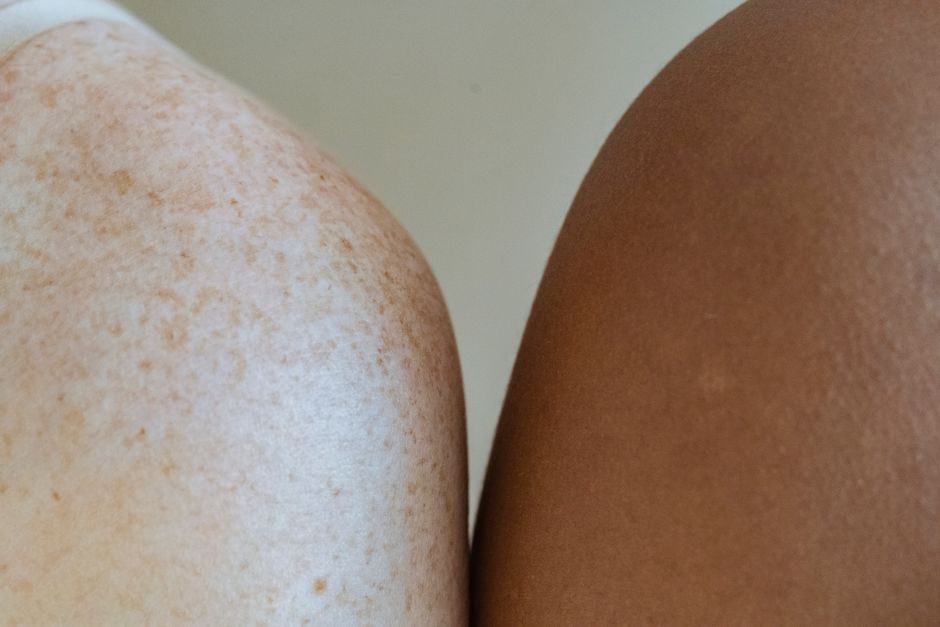
If your face is noticeably darker than the rest of your body, you are not alone. This is actually one of the most common skin concerns dermatologists hear about. The short answer is that your face gets more sun exposure than your chest, arms, or legs, and it also has more oil glands that can trigger pigment changes. The fix depends on the cause — sun damage, inflammation, hormonal shifts, or even skin care products. Most people see improvement with consistent sun protection, targeted ingredients like vitamin C or niacinamide, and avoiding harsh scrubs or irritating products.
What Causes Facial Hyperpigmentation?
Facial skin is simply not the same as body skin. It has more melanocytes — the cells that produce pigment. It also gets hit with more UV light over a lifetime. Even if you do not burn, the cumulative exposure triggers melanin production. The result is a face that looks darker, especially on the forehead, cheeks, and upper lip.
Hormones play a big role too. Melasma is a common condition where patches of darker skin appear on the face, often triggered by pregnancy, birth control pills, or hormone therapy. The American Academy of Dermatology notes that melasma can last for years and gets worse with sun exposure. Unlike a tan, melasma does not fade quickly.
Post-inflammatory hyperpigmentation (PIH) is another cause. This happens after acne, eczema, or even a bad reaction to a skin product. The skin darkens where it was inflamed. If you have had breakouts on your face but not on your body, that can explain the difference. PIH is more common in darker skin tones but can affect anyone.
Is It Just a Tan or Something Else?
A simple test helps. If your face is darker than your neck and chest but your hands are lighter, it is likely sun damage. Your face gets direct sun every day. Your chest is covered by clothing most of the time. The contrast becomes obvious when you stand in natural light.
If the darkness is patchy — spots on the cheeks, a dark line on the forehead, or a shadow above the upper lip — that is not an even tan. That is melasma or sunspots. A tan fades within weeks if you avoid the sun. Melasma and sunspots do not. They can last for months or years without treatment.
Research published in the Journal of the American Academy of Dermatology found that up to 50 percent of pregnant women develop melasma. It is often called the “mask of pregnancy.” For many women it fades after delivery. For others it stays and requires active treatment.
What Ingredients Actually Lighten Facial Skin?
Not all skin lightening products work. Some are dangerous. The FDA has warned against over-the-counter creams containing hydroquinone in concentrations above 2 percent without a prescription. Higher doses can cause ochronosis, a condition where the skin turns darker and develops a blue-black tint. That is permanent.
What does work? Research supports several ingredients. Vitamin C (L-ascorbic acid) is one of the most studied. It blocks an enzyme called tyrosinase that makes melanin. A study in the Journal of Clinical and Aesthetic Dermatology found that 10 to 20 percent vitamin C serum reduced hyperpigmentation in 8 to 12 weeks when used daily.
Niacinamide, a form of vitamin B3, is another solid option. It works by preventing melanin from moving to the skin surface. A 2015 study in the British Journal of Dermatology showed that 4 percent niacinamide reduced hyperpigmentation after 8 weeks. It is gentle and works well for sensitive skin.
Kojic acid comes from mushrooms. It also blocks tyrosinase. Some studies suggest it is less effective than hydroquinone but safer for long-term use. Azelaic acid, a natural acid found in grains, is another option. It is especially useful if you have acne and hyperpigmentation together.
Retinoids — prescription tretinoin or over-the-counter retinol — speed up skin cell turnover. They do not directly block melanin, but they help shed pigmented cells faster. A 2019 review in the Journal of Drugs in Dermatology confirmed that retinoids are effective for melasma and PIH when used over several months.





Why Is My Face Darker Than My Body And How To Fix It With Sunscreen?
This is the most important step. Without daily sunscreen, nothing else will work. The sun triggers pigment production directly. Even 10 minutes of exposure can undo weeks of treatment. The Skin Cancer Foundation recommends a broad-spectrum sunscreen with SPF 30 or higher every single day, even when it is cloudy.
Many people skip sunscreen on cloudy days. That is a mistake. Up to 80 percent of UV rays pass through clouds. If you are serious about fixing the color difference, sunscreen is non-negotiable. Look for mineral sunscreens with zinc oxide or titanium dioxide if chemical sunscreens irritate your skin.
Reapplication matters too. Sunscreen wears off after two hours of exposure. If you work near a window, drive a lot, or spend time outdoors, reapply. Consider a tinted sunscreen that provides some coverage while protecting your skin. The iron oxides in tinted formulas also block visible light, which can worsen melasma.
What About Professional Treatments?
If topicals are not enough, dermatologists offer several in-office options. Chemical peels use acids like glycolic or lactic acid to remove the outer layer of skin. A 2020 study in Dermatologic Surgery found that a series of three to four peels significantly reduced hyperpigmentation in most patients.
Laser treatments are another option. The Q-switched laser and the picosecond laser both target melanin without damaging surrounding skin. These are not for everyone. People with darker skin tones have a higher risk of post-laser hyperpigmentation. A board-certified dermatologist should evaluate your skin type before recommending any laser.
Microneedling with topical serums is gaining evidence. A 2021 study in the Journal of Cosmetic Dermatology showed that microneedling combined with vitamin C improved melasma more than vitamin C alone. The tiny needles create channels that let the serum penetrate deeper.
| Treatment | How It Works | Time to See Results | Best For |
|---|---|---|---|
| Vitamin C serum | Blocks melanin production | 8-12 weeks | Mild to moderate hyperpigmentation |
| Niacinamide | Prevents melanin transfer | 8 weeks | Sensitive skin, PIH |
| Retinoids | Speeds cell turnover | 3-6 months | Melasma, sun damage |
| Chemical peels | Removes pigmented outer layer | After 3-4 sessions | Surface pigmentation |
| Laser therapy | Targets melanin directly | 2-4 sessions | Stubborn melasma or sunspots |
What Should You Avoid?
Do not use bleach or harsh household products on your skin. Some social media trends recommend lemon juice, toothpaste, or baking soda. These can cause chemical burns and make hyperpigmentation worse. The American Academy of Dermatology warns against any DIY bleaching methods.
Avoid products with high concentrations of essential oils like cinnamon, clove, or peppermint. They can cause contact dermatitis, which leads to more darkening. If a product stings or burns, wash it off immediately. Irritation is not a sign that it is working. It is a sign that your skin barrier is damaged.
Do not skip moisturizer. A damaged skin barrier makes pigment changes worse. When skin is dry or inflamed, it produces more melanin as a protective response. Use a gentle moisturizer with ceramides or hyaluronic acid. Keep your routine simple — cleanser, treatment, moisturizer, sunscreen.
Avoid picking or scrubbing your skin. Acne scars are a classic example of PIH. The more you pick, the darker the spot becomes. Let blemishes heal naturally. Use a spot treatment with salicylic acid or benzoyl peroxide instead of touching them.
Common Misconceptions About Facial Darkening
One myth is that washing your face more often will lighten it. It will not. Overwashing strips the skin of natural oils and can cause irritation that worsens pigmentation. Twice a day with a gentle cleanser is enough.
Another myth is that darker skin does not need sunscreen. That is false. People with darker skin have more natural protection, but they still get sun damage and hyperpigmentation. The Skin Cancer Foundation confirms that skin cancer occurs in all skin types, and UV exposure worsens melasma in everyone.
Some people believe that skin lightening creams are safe because they are sold in stores. Many are not. The FDA has found dangerous ingredients like mercury and high-dose steroids in unregulated creams. These can cause kidney damage, skin thinning, and permanent discoloration. Only buy products from reputable brands with clear ingredient lists.
Frequently Asked Questions
Can my face get lighter on its own?
It can if the darkening is from a recent tan or mild inflammation. Melasma and sunspots usually require treatment to fade.
How long does it take to see results from skin lightening products?
Most people see improvement in 8 to 12 weeks of consistent use. Stubborn cases may take six months or longer.
Is it safe to use hydroquinone for more than three months?
No. Long-term use can cause ochronosis, a permanent darkening of the skin. Use it only under a dermatologist’s guidance.
Does makeup make facial darkening worse?
Not if you choose non-comedogenic products and remove them gently at night. Some tinted sunscreens actually help by blocking visible light.
