
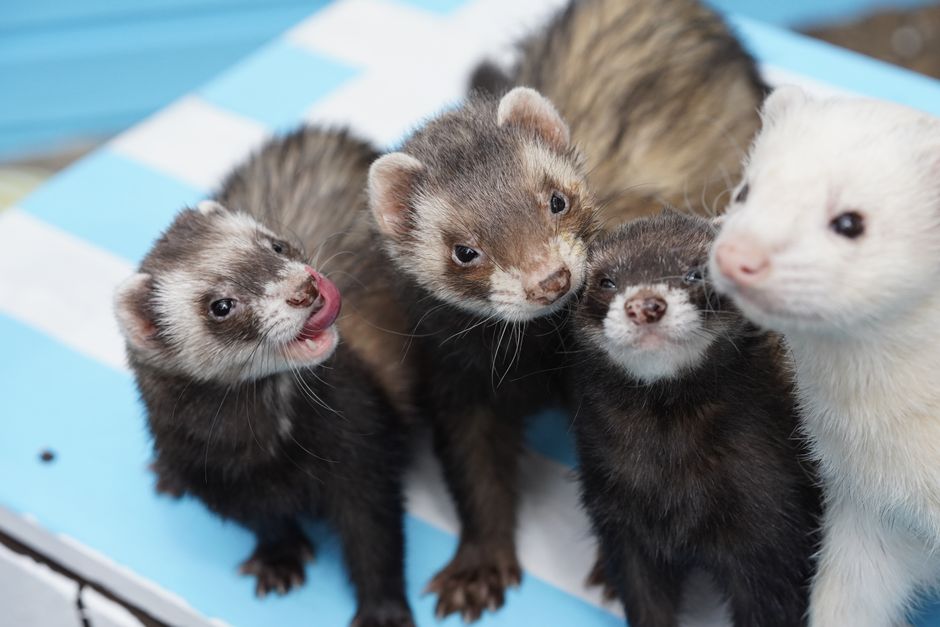
Ferrets are obligate carnivores, which means their bodies are built to digest meat and only meat. While you can give your ferret an occasional treat, the list of safe options is short and the list of dangerous foods is long. Safe snacks for ferrets are high in protein, high in fat, and contain almost no carbohydrates or fiber. Unsafe snacks include most fruits, vegetables, grains, and any food with added sugar.
Why Ferrets Have Such Strict Dietary Needs
A ferret’s digestive tract is short and simple. Because their bodies process food quickly, they need nutrients that are easy to absorb and convert to energy. Their metabolism is built around animal protein and animal fat. Ferrets lack the enzymes needed to break down plant matter effectively, and their bodies cannot handle sugars or complex carbohydrates.
This is not a preference. It is a biological requirement. Feeding a ferret the wrong food can lead to digestive upset, low blood sugar, and long-term health problems. Even small amounts of the wrong snack can cause issues in some ferrets.
The practical rule is simple: if it did not come from an animal, it is probably not safe for a ferret.
What Snacks Can Ferrets Eat And What To Avoid?
Safe snacks for ferrets are commercially prepared freeze-dried meat treats, cooked plain meats, and high-quality cat treats that list meat as the first ingredient. Unsafe snacks are all fruits, all vegetables, dairy products, grains, and anything with sugar or salt.
Safe options include freeze-dried chicken, freeze-dried liver, and small pieces of cooked chicken, turkey, or beef. These treats mimic what a ferret would naturally eat in the wild. They provide protein and fat without the carbohydrates that ferrets cannot handle.
Unsafe options include raisins, bananas, apples, carrots, peas, corn, bread, crackers, yogurt, and ice cream. These foods contain sugars and starches that can cause digestive problems and may contribute to insulinoma, a common pancreatic tumor in ferrets.
Safe Meat-Based Snacks for Ferrets
When choosing a snack, look for single-ingredient meat products. Freeze-dried meat treats are widely available and convenient. They are sold for cats and dogs, but many are safe for ferrets as well. Check the ingredient list carefully. The product should contain only meat, with no added flavorings, preservatives, or plant ingredients.
Cooked meats are another good option. Plain chicken breast, turkey, or lean beef that has been boiled or baked without salt, oil, or seasoning is safe. Cut the meat into small pieces about the size of a pea. This prevents choking and makes the treat easier to digest.
Organ meats like liver are highly nutritious for ferrets, but they should be given in moderation. Too much liver can cause vitamin A toxicity over time. A small piece once or twice a week is enough.
Some ferret owners feed raw meat as a treat. Raw chicken wings or raw meat chunks are common in raw-feeding circles. However, raw meat carries a risk of bacterial contamination like Salmonella. If you choose to feed raw meat, handle it with the same care you would use for raw meat meant for human consumption. Wash your hands and any surfaces that touch the raw meat.



Cat Treats as Ferret Snacks
Many ferret owners use high-quality cat treats as snacks. This works because cats and ferrets have similar nutritional needs. Both are obligate carnivores. Both require high protein and high fat diets with minimal carbohydrates.
Look for cat treats that list a specific meat like chicken, turkey, or salmon as the first ingredient. Avoid treats that contain grains, corn, wheat, or by-products. Also avoid treats with artificial colors or flavors.
Some cat treats are soft and chewy, while others are crunchy. Both are fine for ferrets, though older ferrets with dental issues may prefer softer options. Start with a tiny piece to see how your ferret reacts. Some ferrets are picky and will refuse treats they do not recognize.
Do not use cat treats as a meal replacement. They are not nutritionally complete for ferrets. They are only appropriate as occasional snacks.
Foods That Are Toxic to Ferrets
Some foods are not just unhealthy for ferrets. They are actively dangerous. These foods should never be given, even in small amounts.
Dairy products are a common mistake. Ferrets cannot digest lactose after weaning. Milk, cheese, and yogurt can cause diarrhea and stomach pain.
Fruits and vegetables are also dangerous. Grapes and raisins can cause kidney failure in some animals. Onions and garlic can damage red blood cells. Even fruits like apples and bananas, which seem harmless, contain sugars that ferrets cannot process.
Chocolate and caffeine are toxic to ferrets as they are to dogs and cats. They can cause vomiting, diarrhea, and heart problems.
Salty foods like chips, pretzels, and salted nuts can cause sodium ion poisoning. Symptoms include excessive thirst, tremors, and seizures.
Sugary foods like candy, cookies, and sweetened cereals are especially harmful. Ferrets have a strong sweet tooth despite their carnivorous nature. They will eagerly eat sweets, but their bodies cannot handle the sugar. This can lead to insulinoma, a tumor of the pancreas that causes low blood sugar.
Insulinoma is one of the most common health problems in pet ferrets. While genetics play a role, diet is a significant factor. Feeding sugary treats increases the risk.
How Often Can You Give Ferret Treats?
Treats should make up no more than 10 percent of your ferret’s daily food intake. A ferret eats roughly 5 to 7 percent of its body weight each day. For an average ferret weighing 1 to 2 pounds, that is about 1 to 2 ounces of food daily. Treats should be a small fraction of that.
One or two small treats per day is plenty. If you give more, your ferret may fill up on treats and refuse its regular food. This can lead to nutritional imbalances over time.
Ferrets have a fast metabolism and can develop low blood sugar if they go too long without eating. This is why their regular food bowl should never be empty. Treats are not a substitute for meals. They are a supplement at best.
Watch your ferret’s weight. Ferrets gain weight easily when given too many treats. Obesity in ferrets is linked to a range of health problems, including heart disease and joint issues.
Signs Your Ferret Ate Something It Should Not Have
If your ferret accidentally eats something unsafe, watch for signs of distress. Common symptoms include vomiting, diarrhea, lethargy, and loss of appetite. More serious symptoms include tremors, seizures, difficulty breathing, and collapse.
Dairy products and sugary foods often cause digestive upset within a few hours. The ferret may have loose stools or vomit. In most cases, the symptoms resolve once the food passes through the system. Keep fresh water available and monitor your ferret closely.
Some foods require immediate veterinary attention. Chocolate, grapes, raisins, onions, garlic, and anything containing xylitol are all emergencies. Xylitol is an artificial sweetener found in sugar-free gum, candy, and some peanut butters. Even a small amount can cause a dangerous drop in blood sugar.
If you are unsure whether something is toxic, call your veterinarian. It is always better to ask than to wait and see. Ferrets are small animals and can deteriorate quickly when they ingest something harmful.
Healthy Alternatives to Commercial Treats
Some ferret owners prefer to avoid commercial treats entirely. This is a reasonable choice. Many commercial treats, even those marketed for ferrets, contain fillers like corn, wheat, and sugar.
Instead, you can use pieces of your ferret’s regular food as a treat. Many ferrets respond well to being hand-fed their kibble. This works for training and bonding without adding extra calories.
Another option is to offer a small piece of cooked egg. Eggs are a good source of protein and fat for ferrets. Scramble an egg without oil or butter and offer a small spoonful. Do not feed raw eggs regularly, as they carry a risk of Salmonella contamination.
Some ferret owners offer small pieces of cooked fish like salmon or tuna. These are safe as long as they are plain and boneless. Do not feed canned fish packed in oil or with added salt.
Remember that treats should be occasional, not routine. The bulk of your ferret’s nutrition should come from a high-quality ferret food or a balanced raw diet. Treats are for bonding and training, not for daily meals.
Frequently Asked Questions
Can ferrets eat fruits and vegetables?
No. Fruits and vegetables contain sugars and plant matter that ferrets cannot digest properly. Feeding them can cause digestive upset and increase the risk of insulinoma.
Can ferrets eat cat treats?
Yes, but only treats that list meat as the first ingredient and contain no grains, sugar, or artificial additives. Treats should be given in small amounts and never replace a complete ferret diet.
Can ferrets eat eggs?
Yes, cooked eggs are safe for ferrets in small amounts. Scramble an egg without oil, butter, or seasoning and offer a small spoonful as an occasional treat.
What should I do if my ferret eats chocolate?
Contact your veterinarian immediately. Chocolate is toxic to ferrets and can cause vomiting, diarrhea, and heart problems. Do not wait for symptoms to appear before seeking help.
