
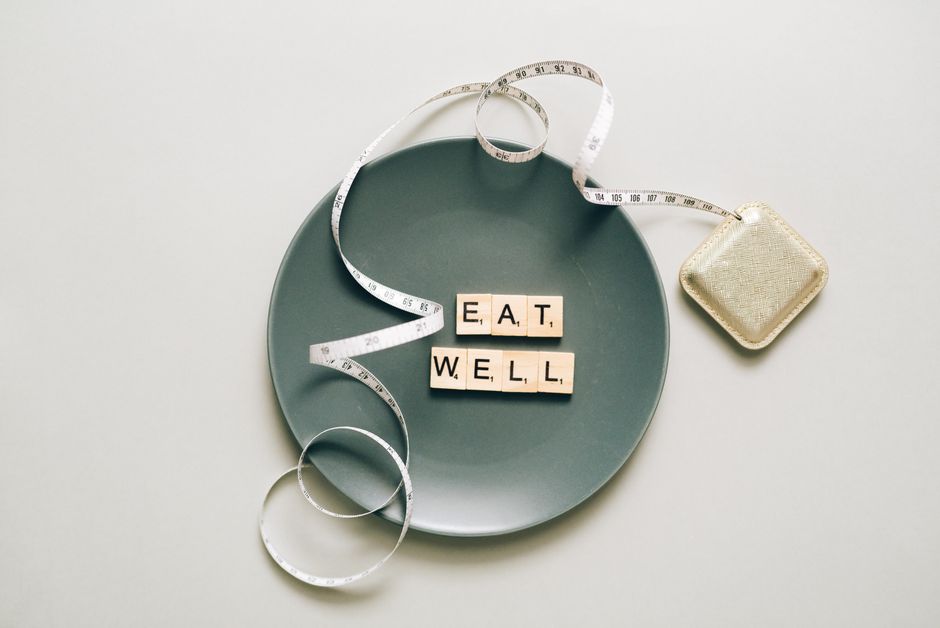
If you have Barrett’s esophagus, your diet should focus on reducing acid reflux and protecting the delicate lining of your esophagus. The best foods to eat are lean proteins, non-citrus fruits, vegetables, and whole grains, while you should avoid spicy foods, acidic foods, high-fat meals, and alcohol. These dietary changes do not cure Barrett’s esophagus, but they can help manage the reflux symptoms that often accompany it and reduce further irritation.
What Is Barrett’s Esophagus and Why Does Diet Matter?
Barrett’s esophagus is a condition where the tissue lining the esophagus changes to resemble the lining of the intestine. This change typically happens after years of chronic acid reflux, also known as gastroesophageal reflux disease (GERD). The constant exposure to stomach acid damages the normal cells, and the body responds by replacing them with a sturdier type of cell.
This change is not cancer, but it is a risk factor for esophageal cancer. Only a small percentage of people with Barrett’s esophagus develop cancer, but the risk is real. Your diet cannot reverse the cellular changes that have already occurred. However, a careful diet can reduce the acid exposure that continues to irritate the esophagus, which may help prevent further damage.
What Foods Should You Eat With Barrett’s Esophagus?
Foods that are gentle on the stomach and esophagus are generally the safest choices. These foods are low in acid, low in fat, and easy to digest. They help keep reflux symptoms under control and provide the nutrients your body needs.
- Lean proteins: Chicken, turkey, fish, and tofu are good choices. Bake, grill, or broil them instead of frying.
- Non-citrus fruits: Bananas, melons, apples, and pears are less acidic than oranges, lemons, and grapefruits.
- Vegetables: Broccoli, green beans, potatoes, cucumber, and leafy greens are well tolerated by most people.
- Whole grains: Oatmeal, brown rice, whole wheat bread, and quinoa provide fiber that supports healthy digestion.
- Healthy fats in moderation: Avocado, nuts, and olive oil are fine in small amounts. High-fat meals are a known reflux trigger.
How you eat matters as much as what you eat. Smaller meals put less pressure on the lower esophageal sphincter, the muscle that keeps stomach contents from rising up. Eating slowly and chewing thoroughly also helps your stomach handle food more easily.
What Foods Should You Avoid With Barrett’s Esophagus?
Some foods are well-documented triggers for acid reflux. If you have Barrett’s esophagus, avoiding these foods can reduce your symptoms and limit acid exposure to the damaged tissue.
- Spicy foods: Chili, hot peppers, curry, and spicy sauces can irritate the esophagus directly.
- Acidic foods: Tomatoes, tomato sauce, citrus fruits, and citrus juices are common reflux triggers.
- High-fat meals: Fried foods, fatty cuts of meat, full-fat dairy, and rich desserts relax the lower esophageal sphincter, allowing acid to escape the stomach.
- Caffeine and alcohol: Coffee, tea, soda, and alcoholic beverages can increase acid production and relax the sphincter muscle.
- Carbonated drinks: The bubbles in soda and sparkling water can distend the stomach, which increases pressure and promotes reflux.
- Mint and chocolate: Both can relax the lower esophageal sphincter, making reflux more likely.
- Onions and garlic: Some people find these foods worsen their reflux symptoms.
Individual tolerance varies. You may be able to eat some of these foods without symptoms, while others may trigger immediate discomfort. Keeping a food diary can help you identify which specific foods cause problems for you.

Does Diet Prevent Barrett’s Esophagus From Progressing?
This is a common question, and the honest answer is that the evidence is limited. No large clinical trials have confirmed that any specific diet can stop Barrett’s esophagus from progressing to cancer. What the evidence does show is that managing acid reflux is important for esophageal health.
Some research suggests that diets rich in fruits, vegetables, and whole grains may be associated with a lower risk of esophageal cancer. These foods contain antioxidants and fiber, which are beneficial for overall health. However, this association does not prove causation, and it does not mean that eating these foods will reverse or halt Barrett’s esophagus.
The most important medical step is regular surveillance. Your doctor will likely recommend an upper endoscopy at regular intervals to check for any cellular changes that could signal progression. Diet is a supportive measure, not a replacement for medical monitoring.
What Lifestyle Habits Help Beyond Diet?
Diet is only one piece of the reflux management puzzle. Several lifestyle habits have strong evidence behind them for reducing acid exposure.
Weight management is among the most effective strategies. Excess abdominal fat increases pressure on the stomach, which pushes acid upward into the esophagus. Research consistently shows that weight loss reduces reflux symptoms in people who are overweight.
Sleeping position matters. Elevating the head of your bed by 6 to 8 inches uses gravity to keep acid in your stomach while you sleep. Using extra pillows alone is usually not enough because it bends the body at the waist, which can actually increase pressure on the stomach.
Timing of meals is also important. Eating large meals close to bedtime gives your stomach less time to empty before you lie down. Most clinicians recommend finishing your last meal at least three hours before lying down.
Smoking cessation is strongly recommended. Smoking weakens the lower esophageal sphincter and reduces saliva production, both of which worsen reflux.
Do You Need to Take Medications With a Barrett’s Esophagus Diet?
Most people with Barrett’s esophagus are treated with proton pump inhibitors (PPIs), a class of medications that significantly reduce stomach acid production. Common examples include omeprazole, esomeprazole, and pantoprazole.
These medications do not cure Barrett’s esophagus, but they reduce the acid that reaches the esophagus. This reduction in acid exposure may lower the risk of further cellular damage. Some research suggests that PPIs may reduce the risk of progression to cancer, but the evidence is not definitive.
Diet and medication work together. Medication reduces the acid your stomach produces, while diet reduces the foods and drinks that trigger reflux episodes. You should not stop taking a prescribed PPI without discussing it with your doctor, as rebound acid hypersecretion can occur when these medications are stopped abruptly.
Are There Any Foods That Specifically Help Barrett’s Esophagus?
No food has been proven to heal or reverse Barrett’s esophagus. Claims that certain foods can repair the damaged tissue are not supported by clinical evidence. The cellular changes in Barrett’s esophagus are not something that dietary components have been shown to reverse.
Some foods may provide general health benefits that are relevant. Foods high in fiber, such as oats, beans, and vegetables, help with weight management and digestive regularity. Foods rich in antioxidants, such as berries and leafy greens, support overall cellular health. But these benefits are general, not specific to Barrett’s esophagus.
Be cautious of products marketed as esophageal healers or reflux cures. No supplement, tea, or special diet has been clinically proven to reverse Barrett’s esophagus. If a product makes this claim, it is not supported by evidence.
What To Eat With Barretts Esophagus Diet Foods To Avoid: A Simple Approach
If you are overwhelmed by all the dietary advice, simplify it. Build your meals around whole, unprocessed foods. Choose lean proteins, vegetables, and whole grains. Cook at home where you control the ingredients. Avoid the foods that consistently trigger reflux for most people.
Keep a simple diary for two weeks. Write down what you eat and how you feel afterward. This will give you personal data about your triggers, which is more useful than any generic list. What bothers one person may not bother you, and the reverse is also true.
Work with your healthcare team. A gastroenterologist manages your medical care and surveillance schedule. A registered dietitian can help you build a practical eating plan that fits your preferences and your lifestyle. These professionals can give you guidance that is specific to your situation.
Frequently Asked Questions
Can diet cure Barrett’s esophagus?
No diet has been shown to cure or reverse Barrett’s esophagus. Dietary changes can reduce reflux symptoms and acid exposure, but they do not reverse the cellular changes in the esophagus.
Is it safe to drink coffee with Barrett’s esophagus?
Coffee is a common reflux trigger because it can relax the lower esophageal sphincter and increase acid production. Many people with Barrett’s esophagus find they tolerate coffee better when they limit it or drink it in smaller amounts.
Can I eat fruits and vegetables with Barrett’s esophagus?
Yes, but choose non-citrus options like bananas, apples, melons, and berries. Citrus fruits like oranges, lemons, and grapefruits are more acidic and may trigger reflux symptoms.
How long after eating should I wait before lying down?
Most clinicians recommend waiting at least three hours after your last meal before lying down. This gives your stomach time to empty and reduces the chance of acid flowing back into your esophagus while you sleep.
