
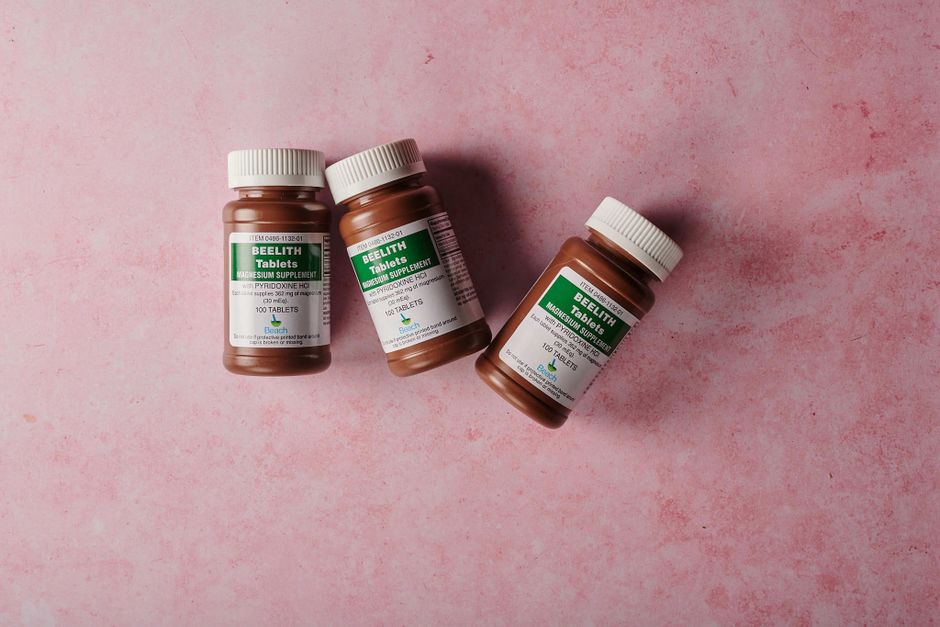
Anemia treatment depends entirely on what type of anemia you have. Most cases involve iron deficiency, and treatment usually means correcting the deficiency with iron supplements and dietary changes. But anemia can also come from vitamin B12 deficiency, folate deficiency, or chronic disease. The right treatment starts with a blood test to identify the cause. Guessing can delay real improvement and sometimes causes more harm than good.
What Causes Anemia and Why It Matters for Treatment
Anemia means your blood does not carry enough oxygen to your tissues. This happens when you do not have enough red blood cells or enough hemoglobin inside those cells. Hemoglobin is the protein that carries oxygen.
The most common cause worldwide is iron deficiency. Your body needs iron to make hemoglobin. Without enough iron, your red blood cells become small and pale, and they cannot carry oxygen efficiently.
Other causes include vitamin B12 deficiency, folate deficiency, chronic kidney disease, autoimmune conditions, and inherited blood disorders like sickle cell disease or thalassemia. Blood loss from heavy menstrual periods, gastrointestinal bleeding, or surgery can also drain your iron stores.
Treating the wrong cause is ineffective. Iron supplements will not fix B12 deficiency. B12 injections will not fix iron deficiency. A simple blood test called a complete blood count, along with iron studies and vitamin levels, tells you which type you have.
How To Treat Anemia Supplements Diet And More: The Basics
Once your doctor identifies the type of anemia, treatment follows a clear path. For iron deficiency, the standard approach is oral iron supplements plus dietary changes. For B12 deficiency, treatment is B12 supplements, often as injections or high-dose oral tablets. For folate deficiency, folic acid supplements are the fix.
Iron supplements are typically taken as ferrous sulfate, ferrous gluconate, or ferrous fumarate. These are different salt forms of iron, and your body absorbs them similarly. The dose your doctor prescribes depends on how low your iron levels are and your body weight.
Most adults with iron deficiency need somewhere between 65 mg and 200 mg of elemental iron per day, divided into doses. Your doctor will calculate the exact amount. Taking iron with vitamin C improves absorption. Taking it with calcium, tea, or coffee reduces absorption, so space those out.
Diet alone rarely corrects established iron deficiency. Food sources of iron include red meat, poultry, fish, lentils, beans, tofu, spinach, and fortified cereals. Heme iron from animal sources absorbs better than non-heme iron from plants. But if your iron stores are depleted, diet alone usually cannot rebuild them fast enough.
Iron-Rich Foods and What Actually Helps Absorption
Dietary changes support supplement treatment, but they do not replace it. Think of food as maintenance and supplements as the repair work.
Heme iron comes from animal sources: beef, liver, chicken, turkey, fish, and pork. Your body absorbs roughly 15 to 35 percent of heme iron you eat. Non-heme iron from plants — beans, lentils, chickpeas, spinach, kale, fortified cereals, and dried fruit — absorbs at only 2 to 20 percent. The exact percentage depends on what you eat alongside it.
Vitamin C is the strongest absorption booster. Eating citrus fruits, tomatoes, bell peppers, or broccoli with an iron-rich meal can double or triple non-heme iron absorption. Cooking in a cast-iron skillet also adds small amounts of iron to your food.
Some foods block iron absorption. Calcium is the main culprit. Dairy products, calcium-fortified juices, and calcium supplements can reduce iron absorption by up to 50 percent when taken together. Tannins in tea and coffee also block iron. Polyphenols in some vegetables do the same. The practical rule is simple: eat your iron-rich meal separately from your dairy, tea, or coffee.



Supplements for Anemia: Types, Dosing, and Side Effects
Iron supplements come in several forms. Ferrous sulfate is the most common and usually the cheapest. Ferrous gluconate contains less elemental iron per tablet, so you may need more tablets. Ferrous fumarate has the highest elemental iron content per tablet. Slow-release and extended-release versions exist, but they release iron lower in the digestive tract where absorption is poorer.
Common side effects include constipation, dark stools, nausea, and stomach cramping. Taking iron with food reduces stomach upset but also reduces absorption by about 40 percent. Some people find that starting with a lower dose and gradually increasing it helps their stomach adjust.
Liquid iron supplements are an option for people who cannot swallow pills. They can stain teeth, so rinse your mouth after taking them. Intravenous iron is reserved for people who cannot tolerate oral iron, have severe deficiency, or have conditions that prevent oral absorption, such as inflammatory bowel disease or after bariatric surgery.
B12 deficiency requires a different supplement approach. Oral B12 tablets in high doses — typically 1,000 to 2,000 micrograms daily — work for many people because a small percentage of B12 is absorbed passively without needing intrinsic factor. Injections are used when oral absorption is severely impaired or when neurological symptoms are present.
Folate deficiency is treated with folic acid supplements, usually 400 to 1,000 micrograms daily. Pregnant women are routinely advised to take 400 to 800 micrograms of folic acid daily to prevent neural tube defects, regardless of whether they have anemia.
How Long Until Iron Supplements Work?
Iron supplements do not work overnight. Most people start feeling better within 2 to 4 weeks of consistent daily supplementation. Your hemoglobin levels typically begin rising within 2 weeks and usually return to normal within 6 to 8 weeks.
But your iron stores need longer to refill. Ferritin is the protein that stores iron in your body. Even after your hemoglobin normalizes, your ferritin may still be low. Doctors usually recommend continuing iron supplements for 3 to 6 months after your blood counts return to normal. Stopping too early often leads to relapse.
If your hemoglobin has not improved after 4 to 6 weeks of consistent supplementation, your doctor needs to investigate further. Possible reasons include ongoing blood loss, poor absorption, incorrect diagnosis, or an underlying condition that is not responding to oral iron.
Dietary Changes Beyond Iron: B12 and Folate
If your anemia comes from B12 deficiency, your diet matters in a different way. B12 is found almost exclusively in animal products: meat, fish, poultry, eggs, and dairy. Strict vegans and vegetarians are at higher risk of B12 deficiency and often need supplements regardless of diet.
Folate is found in leafy green vegetables, legumes, citrus fruits, and fortified grains. Unlike B12, folate deficiency is usually correctable through diet alone if the deficiency is mild. But established deficiency typically needs supplements to resolve quickly.
Some people confuse B12 deficiency with folate deficiency because both cause a type of anemia called megaloblastic anemia, where red blood cells are larger than normal. A blood test distinguishes them. This distinction matters because taking folic acid can mask B12 deficiency and allow neurological damage to progress unnoticed.
Lifestyle Factors That Affect Anemia Recovery
Sleep, stress, and exercise all influence how quickly your body rebuilds red blood cells. Your bone marrow produces red blood cells continuously, and this process requires energy and nutrients. Severe physical training can increase iron losses through sweat and foot-strike hemolysis, which is why endurance athletes have higher iron needs.
Alcohol affects anemia in multiple ways. It interferes with folate absorption, impairs B12 utilization, and can cause gastrointestinal bleeding. Reducing alcohol intake supports recovery. Smoking also matters because carbon monoxide in smoke binds to hemoglobin more strongly than oxygen, reducing oxygen delivery even when your hemoglobin count is normal.
Heavy menstrual bleeding is one of the most common causes of iron deficiency in premenopausal women. If your periods are consistently heavy, talk to your doctor about management options. Treating the underlying cause of blood loss is as important as taking supplements.
When To See a Doctor for Anemia
You should never self-diagnose anemia and start high-dose supplements without a blood test. Some conditions that cause anemia are serious and need specific treatment. Taking iron when you do not need it can cause iron overload, which damages the liver, heart, and pancreas over time.
See a doctor if you experience persistent fatigue, shortness of breath with minimal exertion, pale skin, dizziness, cold hands and feet, or an irregular heartbeat. These are classic anemia symptoms. If you have noticed blood in your stool or black, tarry stools, seek medical attention promptly. This can indicate gastrointestinal bleeding that needs investigation.
For most people with iron deficiency anemia, the treatment path is straightforward: identify the cause, correct it, supplement appropriately, and follow up with repeat blood tests. With consistent treatment, most people feel significantly better within a month and fully recover within several months.
Frequently Asked Questions
How quickly do iron supplements raise hemoglobin?
Hemoglobin typically starts rising within 2 weeks of consistent supplementation and usually returns to normal within 6 to 8 weeks. Iron stores take longer to refill, so supplements continue for 3 to 6 months after blood counts normalize.
Can diet alone cure iron deficiency anemia?
Diet alone rarely corrects established iron deficiency because food sources do not provide enough absorbable iron quickly enough. Dietary changes support recovery, but supplements are usually necessary to rebuild depleted iron stores.
What is the best iron supplement to take?
Ferrous sulfate is the most studied and commonly prescribed form, but ferrous gluconate and ferrous fumarate work equally well. The best choice depends on your tolerance, cost, and the elemental iron dose your doctor prescribes.
Why do my iron supplements cause constipation?
Oral iron slows intestinal motility, which causes constipation in many people. Taking iron with food reduces this side effect but also reduces absorption, and increasing water and fiber intake can help manage it.
