
Acid reflux happens when stomach acid flows backward into your esophagus, causing that burning sensation behind your breastbone. The foods you choose can directly influence how often this happens and how severe it gets. To avoid acid reflux, focus on low-acid, low-fat foods that are easy to digest, such as lean proteins, non-citrus fruits, whole grains, and non-mint vegetables. These foods are less likely to relax the muscle that keeps stomach acid in place, and they are less likely to irritate an already sensitive esophagus.
Why Do Certain Foods Trigger Acid Reflux?
Two main mechanisms cause food-related reflux. First, some foods relax the lower esophageal sphincter (LES). This is the ring of muscle at the bottom of your esophagus that acts like a one-way valve. When it relaxes too much or too often, stomach contents can travel upward.
Second, some foods directly irritate the lining of the esophagus. If you already have some reflux happening, these foods make the burning sensation worse. High-fat foods also slow stomach emptying, which means your stomach stays fuller for longer, increasing pressure on the LES.
Understanding these two mechanisms helps you see why certain foods are recommended and others are avoided. It is not about one single trigger food. It is about the overall pattern of what you eat and how your body responds.
What Foods Should You Eat To Avoid Acid Reflux?
Lean proteins are a safe starting point. Skinless chicken breast, turkey, fish, and tofu are all low in fat and unlikely to trigger reflux. Grilling, baking, or steaming these proteins is better than frying, because frying adds fat that can slow digestion and relax the LES.
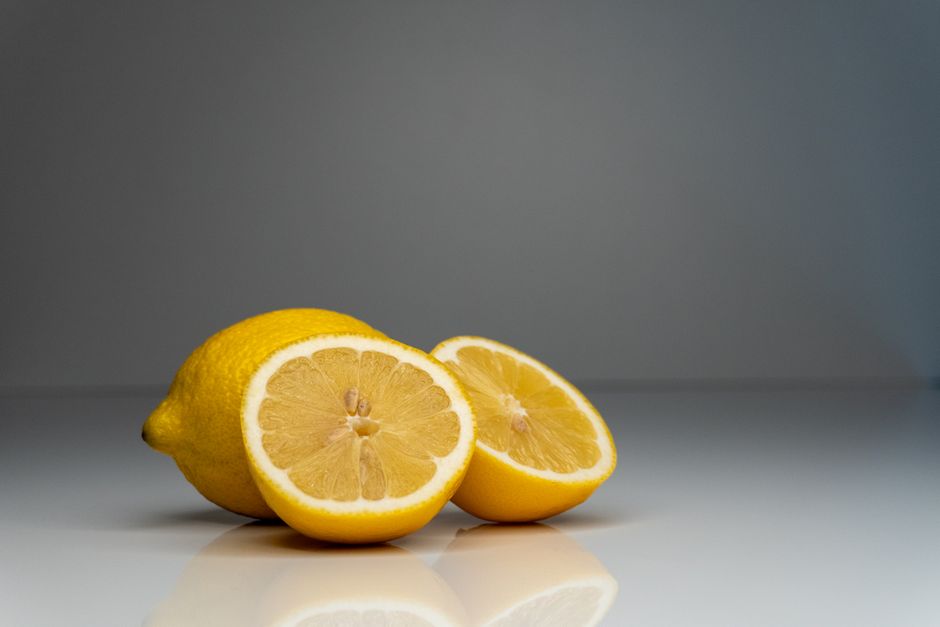
Non-citrus fruits are generally well tolerated. Bananas, melons, apples, and pears are low in acid compared to oranges, lemons, and grapefruits. These fruits provide fiber and nutrients without the acidic punch that can irritate an inflamed esophagus.
Whole grains should form the base of most meals. Oatmeal, brown rice, whole-wheat bread, and quinoa are gentle on the stomach and provide lasting energy. They are also high in fiber, which may help reduce reflux symptoms by promoting regular digestion.
Vegetables are almost universally safe. Broccoli, green beans, potatoes, cucumber, and leafy greens are low in acid and low in fat. Avoid onions and garlic if they bother you, since some people find these trigger symptoms even though they are otherwise healthy choices.
Healthy fats in small amounts are fine. Avocado, walnuts, and olive oil provide essential nutrients. The key is portion control. A small serving is unlikely to cause problems, while a large serving can slow stomach emptying and increase pressure on the LES.
Which Beverages Are Safest for Reflux?
Water is the clear winner. It is neutral, hydrating, and does not affect the LES. Herbal teas that are caffeine-free, such as chamomile or ginger tea, can also be soothing for some people.
Low-fat or skim milk may provide temporary relief for some people because it coats the esophagus and neutralizes acid briefly. However, whole milk is high in fat and can actually worsen reflux over time. If you drink milk, choose the low-fat version.
You should avoid caffeinated drinks, carbonated beverages, and alcohol. Caffeine relaxes the LES in some people. Carbonation expands the stomach, increasing pressure. Alcohol directly relaxes the LES and can also increase acid production. These three beverage categories are common triggers for many people with reflux.
Citrus juices and tomato-based drinks are also problematic. Orange juice, grapefruit juice, and tomato juice are highly acidic and can irritate an already sensitive esophagus. If you want a fruit juice, consider apple or pear juice in small amounts.




How Should You Eat to Minimize Reflux?
How you eat matters just as much as what you eat. Eating smaller meals more frequently puts less pressure on the LES than eating three large meals. A stomach that is overly full is more likely to push contents upward.
Eating slowly and chewing thoroughly gives your stomach an easier job. When food is well-chewed, it moves through the digestive tract more smoothly. Rushed eating often leads to swallowing air, which increases stomach pressure.
Sitting upright during and after meals is important. Gravity helps keep stomach contents where they belong. Lying down within two to three hours after eating makes reflux much more likely, regardless of what you ate.
Evening meals should be lighter than daytime meals. A large dinner close to bedtime is one of the most common reflux triggers. If you are prone to nighttime reflux, try to finish your last meal at least three hours before lying down.
Foods to Avoid or Limit
High-fat and fried foods top the list. French fries, fatty cuts of meat, full-fat dairy, and creamy sauces all slow digestion and relax the LES. These foods are common triggers because of their fat content, not because of any other property.
Spicy foods are a problem for many people. Chili peppers, hot sauce, and curry can irritate the esophagus directly. This is not true for everyone, but if you notice a pattern, it is worth reducing your intake.
Citrus fruits and tomatoes are acidic. Oranges, lemons, limes, grapefruits, tomatoes, and tomato-based sauces can worsen symptoms. This is especially true if your esophagus is already inflamed from previous reflux episodes.
Mint is a surprising trigger. Peppermint and spearmint can relax the LES, which is the opposite of what you want. This includes mint tea, mint gum, and mint-flavored candies.
Chocolate contains both fat and caffeine, and it also contains a compound called theobromine that can relax the LES. For many people, chocolate is a reliable trigger, even in small amounts.
Carbonated drinks and alcohol were mentioned earlier, but they deserve repeating. Both are common triggers that people often overlook because they do not think of them as food.
Does a Reflux Diet Actually Work?
Dietary changes are a first-line approach for managing reflux, and many people see significant improvement. However, diet alone does not cure reflux for everyone. Some people have a structural problem, like a hiatal hernia, that diet cannot fix.
Research consistently shows that weight loss is one of the most effective non-medication strategies for reducing reflux symptoms. Excess abdominal fat increases pressure on the stomach, which pushes acid upward. Even modest weight loss can produce noticeable improvement.
Diet and lifestyle changes work best when combined. Eating reflux-friendly foods, maintaining a healthy weight, not lying down after meals, and elevating the head of your bed all work together. No single change is a magic fix.
If you have tried dietary changes for several weeks and still have frequent symptoms, talk to a doctor. Frequent reflux can damage the esophagus over time. Persistent symptoms may require medication or further evaluation.
Frequently Asked Questions
What is the fastest way to relieve acid reflux?
Antacids provide the fastest relief by neutralizing stomach acid already present. For prevention, eating smaller meals and avoiding trigger foods works better over the long term.
Is yogurt good for acid reflux?
Plain, low-fat yogurt is generally well tolerated and may help some people. Full-fat yogurt can trigger symptoms because of its fat content.
Can drinking water stop acid reflux?
Water can help wash acid back into the stomach and dilute it temporarily. It does not prevent reflux, but staying hydrated is still a healthy habit.
Are bananas safe to eat with acid reflux?
Yes, bananas are low in acid and are generally considered safe for people with reflux. They are a good choice when you need a quick, gentle snack.
