
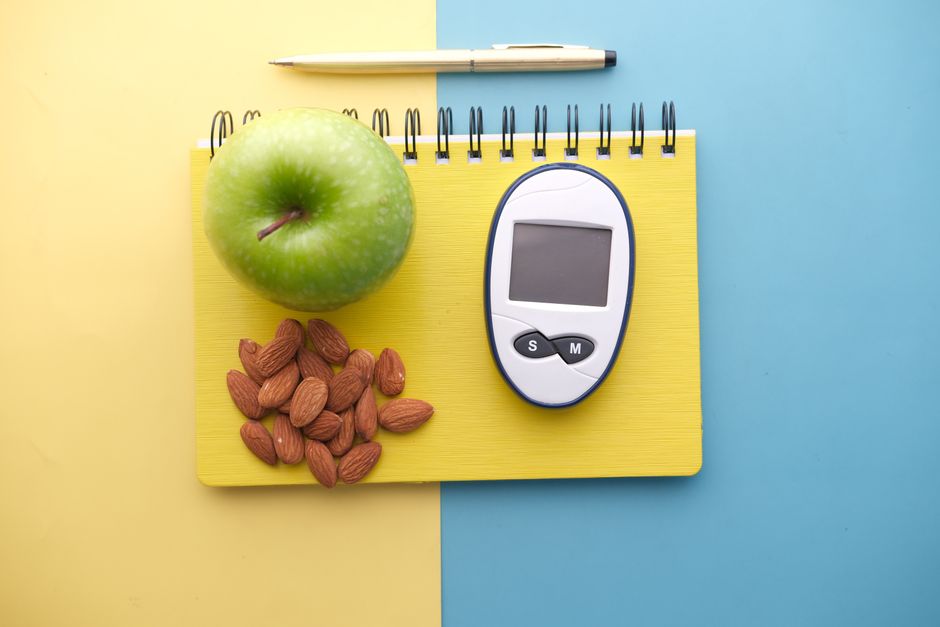
When your blood sugar drops too low, your body sends clear warning signs. You may feel shaky, sweaty, confused, or suddenly very hungry. The fastest way to fix it is to eat or drink about 15 grams of fast-acting carbohydrate. This means something like 4 ounces of fruit juice, half a can of regular soda, 1 tablespoon of sugar or honey, or 3 to 4 glucose tablets. Wait 15 minutes, check your blood sugar again, and repeat if it is still below 70 mg/dL. Once your blood sugar is back in a safe range, eating a small snack with protein or complex carbs helps keep it stable.
What Causes Low Blood Sugar?
Low blood sugar, also called hypoglycemia, happens when glucose in your blood falls below normal. For most people, that means below 70 mg/dL. Glucose is the main fuel for your brain and body. When levels drop, your body cannot function properly.
The most common cause is diabetes medication. Insulin and certain oral diabetes drugs can lower blood sugar too much. This is especially true if you take the medication but skip a meal, exercise harder than usual, or drink alcohol. For people without diabetes, low blood sugar is less common but can still occur. It may happen after a very heavy meal, from certain medical conditions, or from drinking alcohol without eating.
Reactive hypoglycemia is another form. This occurs when blood sugar drops a few hours after eating. The exact cause is not fully understood, but it involves your body releasing too much insulin after a meal. The result is a sharp drop in glucose a few hours later.
What Are the First Signs of Low Blood Sugar?
Your body gives you warning signs when glucose drops. These signs can appear suddenly. Common early symptoms include:
- Shakiness or trembling
- Sweating
- Rapid heartbeat
- Hunger
- Anxiety or irritability
- Dizziness
- Blurred vision
- Difficulty concentrating
If blood sugar drops further, more serious symptoms can develop. These include confusion, slurred speech, clumsiness, and in severe cases, seizures or loss of consciousness. If someone cannot swallow or is unconscious, do not give them food or drink. Call emergency services immediately.
Some people do not feel early warning signs. This is called hypoglycemia unawareness. It is more common in people who have had diabetes for many years or who have frequent low blood sugar episodes. If you have this condition, checking your blood sugar regularly becomes even more important.
What Should You Eat If You Have Low Blood Sugar?
The fastest treatment follows the “15-15 rule.” Eat 15 grams of fast-acting carbohydrate. Wait 15 minutes. Then recheck your blood sugar. If it is still below 70 mg/dL, eat another 15 grams.
Fast-acting carbohydrates are foods that raise blood sugar quickly. They are simple sugars that your body absorbs almost immediately. Good options include:
- 4 ounces (about half a cup) of fruit juice
- Half a can of regular soda, not diet
- 1 tablespoon of sugar or honey
- 3 to 4 glucose tablets
- 5 or 6 hard candies, chewed
- 1 tablespoon of jelly or jam
Glucose tablets are often the most reliable option. They have a predictable amount of carbohydrate and work consistently. They are widely available at pharmacies and are inexpensive.
Avoid foods that contain fat or protein when treating low blood sugar. Chocolate, candy bars, ice cream, and nuts digest more slowly because of their fat content. They will not raise blood sugar fast enough. The same applies to whole-grain bread, oatmeal, and other complex carbohydrates. These are excellent foods for preventing low blood sugar, but they are too slow for treating an active episode.


What Should You Eat After Your Blood Sugar Recovers?
Once your blood sugar is back above 70 mg/dL, you need to keep it there. Fast-acting sugar wears off quickly. Without more food, your blood sugar can drop again within an hour or two.
Eat a small snack that combines protein, complex carbohydrates, and a little fat. This combination digests slowly and provides a steady release of glucose. Good examples include:
- Apple slices with peanut butter
- Whole-grain crackers with cheese
- Half a turkey sandwich
- Yogurt with berries
- A small handful of nuts and a piece of fruit
If your next meal is soon, you may not need a snack. Just be sure to eat the meal as planned. If you are taking insulin or other diabetes medication, you may need to adjust your dose. Talk to your doctor about the best way to prevent repeat episodes.
How Can You Prevent Low Blood Sugar?
Prevention depends on understanding why your blood sugar drops. For people with diabetes, the most important steps involve medication timing, meal planning, and activity levels.
Do not skip meals, especially if you take insulin or sulfonylurea medications. Eat consistent amounts of carbohydrate at each meal. If you plan to exercise, check your blood sugar before and after. You may need a small snack before physical activity, particularly if your blood sugar is already on the lower side.
Alcohol can cause delayed low blood sugar. Drinking alcohol, especially on an empty stomach, can block your liver from releasing glucose. This effect can last for hours after you stop drinking. If you drink, do so with food and check your blood sugar more often.
For people without diabetes, prevention focuses on eating regular meals and avoiding large amounts of refined sugar on an empty stomach. If you experience reactive hypoglycemia, eating smaller meals more often may help. Some evidence suggests that a diet lower in refined carbohydrates and higher in fiber and protein can reduce episodes.
When Should You Seek Medical Help?
Most low blood sugar episodes resolve with the 15-15 rule. But some situations require medical attention.
If you have repeated episodes of low blood sugar, see your doctor. Frequent hypoglycemia can be a sign that your medication needs adjustment. It can also indicate an underlying medical problem.
Severe hypoglycemia is a medical emergency. If you lose consciousness, have a seizure, or cannot swallow, someone must call 911. Glucagon is a prescription medication that can raise blood sugar quickly in an emergency. If you have diabetes and take insulin, your doctor may prescribe a glucagon kit. Make sure family members and coworkers know how to use it.
If you do not have diabetes but experience symptoms of low blood sugar regularly, do not assume it is harmless. Some medical conditions can cause hypoglycemia, including hormonal deficiencies and certain tumors. A doctor can perform tests to determine the cause.
Does Eating Sugar Cause Reactive Hypoglycemia?
This is a common belief, and it is only partially correct. Eating a large amount of refined sugar can trigger a large insulin release. That insulin surge can drive blood sugar down a few hours later. This is why some people feel a “crash” after a very sweet meal.
However, not everyone who eats sugar develops reactive hypoglycemia. The condition is relatively uncommon. The exact mechanism is still being studied, and it likely involves individual differences in insulin sensitivity and hormone regulation.
If you suspect reactive hypoglycemia, keep a food diary and record your symptoms. Note what you ate, when you ate it, and when symptoms appeared. This information helps a doctor make an accurate diagnosis. A glucose tolerance test can also help identify the pattern of your blood sugar response.
Frequently Asked Questions
What is the fastest thing to eat for low blood sugar?
Fruit juice, regular soda, sugar, honey, or glucose tablets are the fastest options. They contain simple sugars that absorb into your bloodstream within minutes.
Is peanut butter good for low blood sugar?
No, not as a first treatment. Peanut butter contains fat, which slows digestion and delays glucose absorption. It is a good follow-up snack once your blood sugar is back above 70 mg/dL.
How many glucose tablets should I take for low blood sugar?
Take 3 to 4 glucose tablets, which equals about 15 grams of carbohydrate. Wait 15 minutes, recheck your blood sugar, and repeat if it is still below 70 mg/dL.
Can low blood sugar happen if you do not have diabetes?
Yes, but it is less common. Reactive hypoglycemia, certain medical conditions, and alcohol consumption can cause low blood sugar in people without diabetes.
