
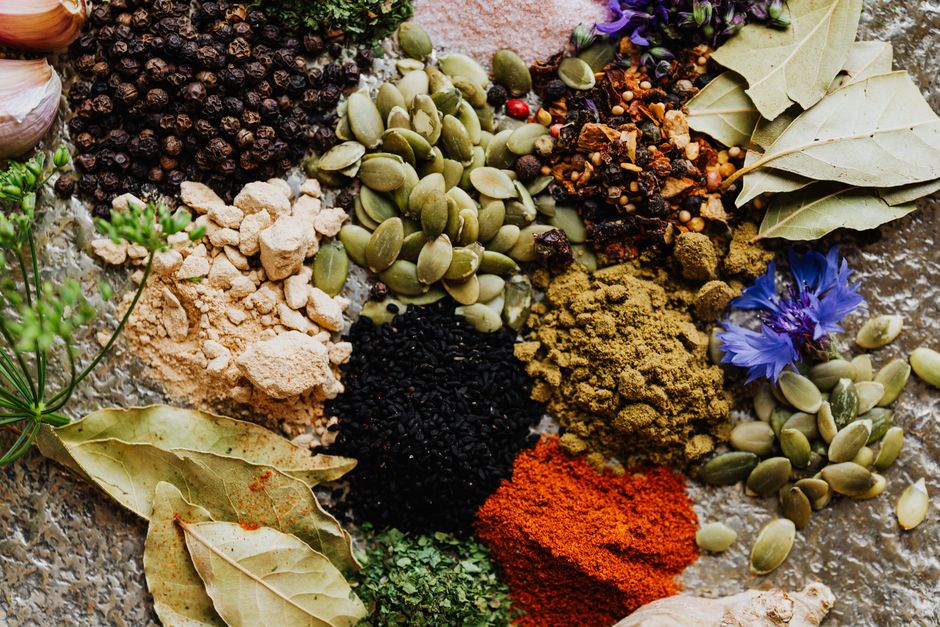
Pumpkin seeds are one of the most nutrient-dense seeds you can eat. They are a strong source of magnesium, zinc, iron, and healthy fats, and they contain plant compounds that may support heart health and prostate health. They are not a medicine and they will not fix a poor diet on their own, but as a daily food they deliver a lot of nutrition in a small package.
Most people know them as a snack. Fewer know that a single ounce covers a large share of the magnesium and zinc an adult needs in a day. That is the real story here.
What Pumpkin Seeds Are Good For?
They are good for supplying minerals that many Americans do not get enough of. Magnesium and zinc top that list. They also provide iron, phosphorus, copper, and manganese, plus protein and fiber.
The seeds are the edible part of the pumpkin plant, usually eaten roasted as a snack or sprinkled on salads, yogurt, and oatmeal. In some regions they are sold as pepitas, which are the green inner kernels without the white shell.
One ounce of roasted pumpkin seeds, about 85 seeds or a small handful, contains roughly 150 calories, 7 grams of protein, and 1.7 grams of fiber according to USDA data. The same ounce delivers about 150 milligrams of magnesium and 2.2 milligrams of zinc. Those are meaningful numbers, not trace amounts.
What they are not is a treatment. No seed prevents or cures disease. The claims you see online about pumpkin seeds and prostate health, sleep, and blood sugar range from reasonably supported to almost entirely unproven. The sections below sort out which is which.
What Nutrients Do Pumpkin Seeds Actually Contain?
The mineral profile is the main reason nutrition researchers pay attention to them. Magnesium and zinc are the two that stand out most, because mild shortfalls in both are common in the US diet.
Magnesium matters for muscle and nerve function, blood sugar control, and blood pressure regulation. Zinc supports immune function, wound healing, and normal testosterone levels. The body cannot make either one, so it has to come from food.
Here is how one ounce of roasted pumpkin seeds compares to adult daily needs:
| Nutrient | Amount per 1 oz | Share of adult daily need |
|---|---|---|
| Magnesium | ~150 mg | About 35-45% |
| Zinc | ~2.2 mg | About 20-27% |
| Iron | ~2.5 mg | About 14-30% |
| Phosphorus | ~330 mg | About 45% |
| Copper | ~0.2 mg | About 25% |
| Protein | ~7 g | Varies by body weight |
The ranges reflect differences between men and women and by age. Iron needs, for example, are much higher for menstruating women than for men.
They also contain vitamin E, several B vitamins, and a type of plant fat called polyunsaturated fat, mostly linoleic acid. The seeds are low in saturated fat.
The catch is calories. A full cup of shelled seeds runs close to 700 calories. A handful is a serving. A bowl is a meal’s worth of calories without the volume to make you feel full.
Do Pumpkin Seeds Help With Prostate Health?
This is the most researched claim about pumpkin seeds, and the evidence is genuinely mixed. Some small trials have looked at pumpkin seed oil and pumpkin seed extracts in men with benign prostatic hyperplasia, a common non-cancerous enlargement of the prostate.
Several of those studies reported improvements in urinary symptoms like nighttime urination and weak flow. Many were small, short, and used proprietary extracts rather than the seeds you buy at the store. Some were funded by the companies selling the products. That does not make the results false, but it means the findings are not strong enough to call pumpkin seeds a treatment for prostate problems.
What can be said honestly: eating pumpkin seeds as part of a normal diet is reasonable and safe for most men. Expecting them to shrink an enlarged prostate or replace a prescribed medication is not supported by the current evidence. Men with urinary symptoms should see a doctor rather than self-treat with seeds.



Can Pumpkin Seeds Help You Sleep?
They contain tryptophan, an amino acid the body uses to make serotonin and then melatonin. That has led to claims that pumpkin seeds are a natural sleep aid.
The logic is real. The evidence is not. Tryptophan from food competes with other amino acids for entry into the brain, and the amount in a handful of seeds is small. No clinical trials have shown that eating pumpkin seeds improves sleep in people with insomnia.
They do contain magnesium, and magnesium deficiency is associated with poor sleep in some studies. That is a different claim from saying pumpkin seeds help you sleep. If your magnesium intake is low, correcting it may matter. If it is already adequate, adding more is unlikely to change your sleep.
What About Blood Sugar and Heart Health?
Pumpkin seeds have a low glycemic index and provide protein, fat, and fiber, a combination that slows digestion and blunts blood sugar spikes when eaten with a meal. That is a well-established property of mixed meals, not a special feature of pumpkin seeds.
Some studies suggest the magnesium and healthy fats in seeds may support blood pressure and cholesterol levels. The evidence points in a favorable direction but is not strong enough to say pumpkin seeds lower blood pressure or prevent heart disease.
For people with type 2 diabetes, they can be a good snack choice precisely because they are low in carbohydrate. One ounce has only about 4 grams of carbohydrate, a small fraction of what a slice of bread provides. That makes them a practical alternative to crackers or chips, which is a modest but real benefit.
Are There Risks or Downsides?
For most people, pumpkin seeds are safe in normal food amounts. The main issues are calories, sodium, and a few specific situations.
- Calories: They are calorie-dense. It is easy to eat several servings without noticing.
- Sodium: Many roasted brands are heavily salted. If you are watching blood pressure, check the label or buy unsalted.
- Digestion: Eating a large amount at once can cause bloating or stomach discomfort because of the fiber and fat content.
- Iron overload: People with hemochromatosis, a condition that causes excess iron absorption, should be cautious with iron-rich foods and follow their doctor’s guidance.
- Choking risk: Whole seeds are not safe for young children. Whole nuts and seeds are a choking hazard for kids under 4.
One more note on the shells. The white outer hull is tough and high in fiber. Some people find it hard to digest. Pepitas, the green kernels, are easier on the stomach and are what most recipes call for.
How Should You Eat Them?
Roasted, unsalted, and plain is the simplest choice. You can also buy them raw and roast them yourself at home, which lets you control the salt.
A handful a day is a reasonable amount for most adults. There is no official recommended serving size for pumpkin seeds specifically, so this is general guidance rather than a clinical target.
They work well in several places:
- Sprinkled over salad or roasted vegetables
- Stirred into yogurt or oatmeal
- Blended into pesto or sauces
- Eaten plain as a snack instead of chips
- Ground and added to baked goods
Store them in an airtight container in a cool, dark place. The fats in seeds can go rancid over time, so if they smell bitter or paint-like, throw them out. In warm climates, the refrigerator or freezer keeps them fresh longer.
Pumpkin seed oil is also sold as a supplement and used in cooking. It is expensive and the evidence for its health benefits comes mostly from small studies, so it is best treated as a flavorful oil rather than a remedy.
Frequently Asked Questions
Are pumpkin seeds good for you every day?
Yes, a small handful a day fits well into most diets and supplies meaningful amounts of magnesium, zinc, and iron. Watch the portion size, since they are high in calories, and choose unsalted versions if you are managing blood pressure.
Do pumpkin seeds really help an enlarged prostate?
Some small studies of pumpkin seed oil and extracts reported improvements in urinary symptoms, but the evidence is mixed and several studies were small or industry-funded. They are not a proven treatment, and men with urinary symptoms should see a doctor.
How much magnesium is in pumpkin seeds?
One ounce of roasted pumpkin seeds provides about 150 milligrams of magnesium, roughly a third to nearly half of what most adults need daily. That makes them one of the better food sources of the mineral.
Can kids eat pumpkin seeds?
Whole seeds are a choking hazard for children under 4, so they should be avoided or ground up for that age group. For older children, they are a nutritious snack in normal food amounts.
