
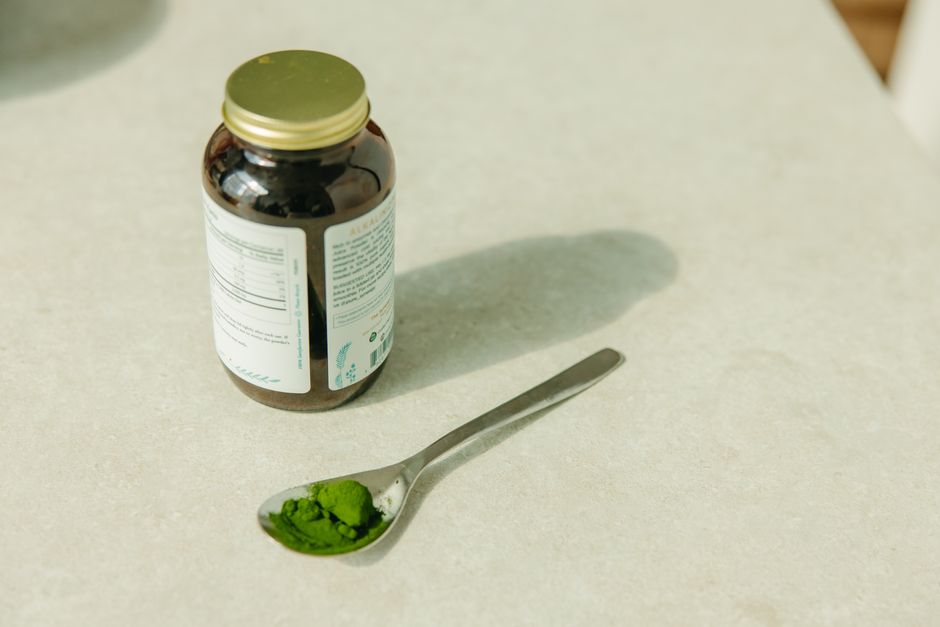
Black seed oil powder and whole black seeds come from Nigella sativa, a flowering plant used in cooking and traditional medicine for centuries. You can use the seeds whole or ground in food, or take the oil and powdered oil in capsules or mixed into drinks. The most important thing to know is that these forms are not interchangeable — the oil is far more concentrated than the seeds, and how much you take matters more than how you take it.
Black seed is not a proven treatment for any disease. It has real biological activity and a long history of use, but the human evidence is early and mixed. This guide explains how each form is actually used, what the research does and does not show, and where the genuine safety concerns are.
What Is Black Seed Oil Powder And What Is In It?
Black seed oil powder is black seed oil that has been absorbed onto a carrier or encapsulated so it becomes a dry, scoopable powder. It is not ground-up seeds. That distinction trips up a lot of people.
The seed itself contains a fixed oil, a small amount of volatile oil, protein, fiber, and various minor compounds. The main active compound people point to is thymoquinone, along with related compounds such as thymohydroquinone and thymol. Thymoquinone is where most of the laboratory research focuses.
The oil is extracted from the seeds, so it concentrates the fat-soluble compounds and largely leaves behind the fiber and protein. Oil powder is simply that oil made easier to handle. A teaspoon of oil powder and a teaspoon of whole seeds are not remotely equivalent in what they deliver.
One non-obvious point: the amount of thymoquinone in any product varies widely. It depends on where the seeds were grown, how they were stored, and how the oil was extracted. Two bottles labeled “black seed oil” can differ substantially in what they actually contain. There is no standard potency, and no regulatory requirement that a supplement match a stated level.
How To Use Black Seed Oil Powder And Seeds?
The honest answer is that there is no single established way to use them, because no regulatory body has set a standard dose for any health purpose. What follows is how these forms are commonly used, not a clinical recommendation.
Whole and ground seeds
Black seeds are edible and have a peppery, slightly bitter, oregano-like taste. They are traditionally sprinkled on bread, added to curries, or mixed into honey. Ground seeds are easier to digest than whole ones, which can pass through largely intact.
A common culinary amount is around a teaspoon stirred into food. This is a food quantity, not a therapeutic dose, and no guideline establishes it as a treatment.
Black seed oil
The oil is usually taken by mouth, often by the teaspoon or in capsules. It has a strong, pungent flavor that many people find unpleasant on its own, which is why capsules are popular.
Some traditional references describe taking a teaspoon once or twice daily. This is a customary practice, not an evidence-based dose. No major health authority has established a recommended daily intake for black seed oil.
Oil powder
Oil powder is typically mixed into water, juice, smoothies, or yogurt, or taken in capsule form. Follow the label instructions, but understand that the label reflects the manufacturer’s choice, not a government standard. Because potency varies, the same scoop size from two brands may not deliver the same amount of active compounds.
If you decide to try any form, start with a small amount and pay attention to how your body responds. That is general sensible practice for any new supplement, not a black-seed-specific rule.
Does Black Seed Actually Work For Anything?
The evidence is early, and it is mixed. This is the part most marketing skips.
Black seed and its compounds have shown a range of effects in laboratory studies and in animals, including antioxidant and anti-inflammatory activity. That kind of finding is a starting point for research, not proof of benefit in people. A substance can look promising in a petri dish and do nothing useful in a human body.
Small human trials have looked at black seed for conditions such as asthma, allergic rhinitis, high blood pressure, and high cholesterol. Some of these report modest improvements. The problem is size and quality. Many trials are small, short, and vary in how much black seed they used and in what form, which makes them hard to compare or to trust as a basis for a decision.
Some research suggests black seed may have a modest effect on blood pressure or blood sugar. Evidence indicates possible anti-inflammatory effects. But no large, well-designed trial has confirmed that black seed treats or prevents any specific disease, and it should not replace proven treatment for a serious condition.
If you have a health condition, the question is not whether black seed “works” in general. It is whether it works for that condition, at that dose, in that form, better than what is already proven. For almost every condition studied so far, that question does not yet have a confident answer.



How Do The Forms Compare?
The three main forms differ in concentration, convenience, and how much of the seed you actually get. This table summarizes the practical differences.
| Form | What it contains | Typical use |
|---|---|---|
| Whole seeds | Oil, fiber, protein, minor compounds | Sprinkled on food, chewed |
| Ground seeds | Same as whole, easier to absorb | Mixed into food or drinks |
| Black seed oil | Concentrated fat-soluble compounds | By spoon or capsule |
| Oil powder | Oil on a carrier, dried | Mixed into liquid or food |
None of these forms has an established therapeutic dose. The oil and oil powder are more concentrated than the seeds, so a small amount of oil is not the same as a small amount of seed. Treating them as interchangeable is the most common mistake.
What Are The Risks And Side Effects?
Black seed is generally tolerated in food amounts, but it is not risk-free, and the risks are real enough to take seriously.
Common side effects reported with larger amounts include stomach upset, nausea, and bloating. The oil can cause digestive discomfort in some people.
More importantly, black seed can interact with medications. It may affect blood clotting and blood sugar, so combining it with blood thinners or diabetes medication is a genuine concern. If you take either, talk to your clinician before using black seed in any concentrated form.
There are also specific groups where caution is warranted:
- People on blood-thinning or blood-sugar-lowering medication
- People scheduled for surgery, because of possible effects on clotting
- People with low blood pressure, since black seed may lower it further
- Pregnant women, where concentrated use is generally avoided
For pregnancy and breastfeeding, no clinical guidelines establish a safe dose of black seed oil or oil powder. The cautious position is to avoid concentrated forms, and to treat the seeds as a food rather than a supplement.
Black seed can also cause allergic reactions in some people, particularly those with existing allergies to related plants. Stop using it and seek medical advice if you notice a reaction.
How Should You Choose A Product?
Because potency varies and regulation is limited, product quality is a real variable. In the United States, dietary supplements are not reviewed for effectiveness before they are sold, so a product on the shelf is not proof that it works or that it contains what the label claims.
Things worth checking:
- Whether the label states the amount of oil or extract per serving
- Whether a third-party testing mark is present
- Whether the product is cold-pressed or solvent-extracted, which can affect what is retained
- Whether any thymoquinone content is stated, though even then it is not independently verified
None of these guarantees a benefit. They only help you avoid the worst-quality products. A high price and a clean label do not make a supplement effective.
The Bottom Line
Black seed oil powder and seeds are easy to use in food, and the oil and powder are easy to take in capsules or drinks. What is not established is a dose that treats any condition. The seeds are a food. The oil and powder are concentrated supplements with real biological activity, real interactions, and early, mixed human evidence.
If you are healthy and curious, using black seeds in cooking is low-risk. If you are considering concentrated oil or powder for a health reason, especially alongside medication or during pregnancy, that is a conversation to have with a clinician rather than a decision to make from a label.
Frequently Asked Questions
How much black seed oil should I take daily?
No health authority has established a recommended daily dose of black seed oil. Traditional references describe about a teaspoon once or twice daily, but this is customary practice, not an evidence-based recommendation.
Can I take black seed oil with medication?
Black seed may interact with blood thinners and blood-sugar-lowering drugs, so it should not be combined with them without medical advice. Talk to your clinician before using any concentrated black seed product if you take prescription medication.
Is black seed oil powder the same as ground black seeds?
No. Oil powder is concentrated black seed oil on a carrier, while ground seeds contain the whole seed including fiber and protein. They are not interchangeable, and a small amount of oil is much more concentrated than the same amount of seed.
Is it safe to take black seed oil while pregnant?
Concentrated black seed oil is generally avoided during pregnancy, and no clinical guidelines establish a safe dose for pregnant or breastfeeding women. Treat the seeds as a food and avoid concentrated forms unless a clinician advises otherwise.
