
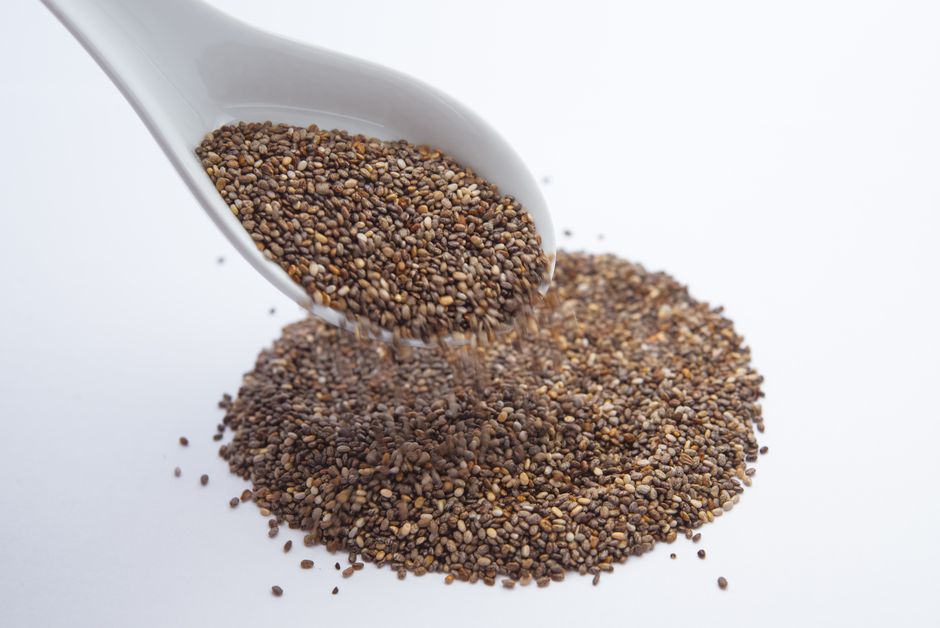
Chia seeds are small, mild-tasting, and easy to add to almost any meal. The basic way to take them is to stir one to two tablespoons into water, yogurt, oatmeal, or a smoothie and let them sit for a few minutes so they absorb liquid. Start with a small amount, always drink enough fluid alongside them, and increase slowly over a week or two.
That short answer covers most of what you need. The rest is about getting the details right — how much, how to prepare them, and the safety points that matter when you eat a food that can absorb many times its weight in liquid.
What Are Chia Seeds and Why Does Hydration Matter?
Chia seeds are the edible seeds of Salvia hispanica, a plant in the mint family native to Mexico and Guatemala. They are tiny, oval, and come in black, brown, and white varieties. Nutritionally, they are close cousins — the color difference is cosmetic, not nutritional.
What sets chia apart from most seeds is its ability to absorb liquid. A chia seed can take up roughly 9 to 12 times its weight in water and form a gel. That gel is why chia works in puddings and as an egg substitute in some recipes. It is also why hydration matters. If you eat dry chia without enough fluid, the seeds will pull water from whatever is available — including your digestive tract. That can contribute to constipation or, in rare cases, a blockage.
This is not a reason to avoid chia. It is a reason to treat it like a food that needs water nearby. A tablespoon of dry chia chased with a full glass of water is fine. A tablespoon of dry chia eaten with nothing to drink is where people run into trouble.
What’s Actually in Them
A one-ounce serving (about two tablespoons) of chia seeds contains roughly 138 calories, 5 grams of protein, 10 grams of fiber, and 8 grams of alpha-linolenic acid (ALA), a plant-based omega-3 fat. These figures come from standard USDA nutrient data. The fiber content is substantial — 10 grams in two tablespoons is about a third of the daily fiber target for most adults.
That fiber load is the main reason to start small. Going from a low-fiber diet to two tablespoons of chia in one day is a reliable way to feel bloated and uncomfortable.
How To Take Chia Seeds Step by Step
Here is the practical sequence most people find works well.
- Start with one tablespoon. Not two. Give your gut a few days to adjust before increasing.
- Add liquid. Stir the seeds into at least half a cup of water, milk, yogurt, or a smoothie. If you eat them dry — sprinkled on a salad, for example — drink a full glass of water with the meal.
- Wait 5 to 10 minutes. This lets the seeds form their gel. The texture becomes softer and easier to swallow. In a pudding, you’ll want at least 20 minutes, or overnight in the fridge.
- Drink throughout the day. Chia adds fiber, and fiber needs fluid to move through your system comfortably.
- Increase gradually. After about a week, if you feel fine, you can move toward two tablespoons a day. Some people stay at one tablespoon and do well.
There is no official recommended daily amount of chia. The one-to-two-tablespoon range is a common practical starting point, not a clinical guideline. Your tolerance is the real guide.
What Are the Best Ways to Eat Chia Seeds?
Chia is unusually flexible because it has almost no flavor of its own. It takes on whatever it is mixed with.
Chia pudding is the most popular method. Mix one-quarter cup of chia seeds with one cup of milk or a plant-based alternative, stir well, wait five minutes, stir again to break up clumps, then refrigerate for at least two hours or overnight. The result is a thick, spoonable pudding. The double-stir matters — skip it and you get clumps at the bottom.
In drinks. Stir a spoonful into water with lemon, into iced tea, or into a smoothie. In a smoothie, the seeds blend in and add body without changing the taste much. Let the drink sit a few minutes before you finish it so the seeds soften.
On food. Sprinkle over yogurt, oatmeal, salads, or roasted vegetables. This is the easiest way to add them, but it is also the method most likely to leave you eating them fairly dry — so pair it with a glass of water.
As a binder. Ground or whole chia mixed with water forms a gel that can replace eggs in some baked recipes. This works, but the texture of the finished product changes. It is not a perfect one-to-one swap in every recipe.
A note on grinding: whole chia seeds are digestible, unlike flaxseeds, which generally need to be ground for your body to access their nutrients. You do not have to grind chia. Some people prefer ground chia for texture or because they find whole seeds harder to tolerate. Either form works.
How Much Chia Should You Eat Per Day?
There is no established daily recommendation for chia seeds from any major health authority. What exists is general guidance on fiber: most adults should aim for roughly 25 to 38 grams of fiber per day, depending on age and sex, according to the Dietary Guidelines for Americans. Two tablespoons of chia provides about 10 grams of that.
For most healthy adults, one to two tablespoons per day is a reasonable range that fits comfortably within a normal diet. The upper limit is set by your digestion, not by a toxicity threshold. Eating large amounts — several tablespoons at once, especially without enough fluid — is more likely to cause bloating, gas, or constipation than any serious harm.
If you have a history of swallowing difficulties, a narrowed esophagus, or prior bowel obstruction, talk to your doctor before adding chia. The gel-forming property that makes chia useful is the same property that has, in rare reported cases, contributed to esophageal blockage when seeds were eaten dry.
Who Should Be Careful With Chia Seeds?
Chia is a food, not a supplement, and most people tolerate it well. A few groups need more caution.
People on blood thinners. Chia is high in ALA, a plant omega-3. Omega-3 fats can have a mild blood-thinning effect. Whether chia specifically interacts with warfarin or similar medications at typical food amounts is not well established. If you take a blood thinner, mention chia to your doctor rather than assuming it is irrelevant.
People with swallowing problems. Dry chia expands. For anyone with dysphagia or a structural narrowing of the throat or esophagus, this is a real concern. Always take chia with liquid.
People with digestive conditions. If you have IBS or another condition where fiber is tricky, introduce chia slowly and see how you respond. High-fiber foods help some people and aggravate others.
People with chia or seed allergies. Chia allergy is uncommon but documented. If you react to other seeds, start with a tiny amount and watch for symptoms.
Pregnancy and breastfeeding. Chia is a food with a long history of use, but there are no clinical guidelines specifically addressing chia intake during pregnancy or breastfeeding. The general advice to eat a varied diet applies. Ask your healthcare provider if you are unsure.
Common Mistakes People Make With Chia Seeds
Most problems with chia come down to a handful of avoidable errors.
Eating them dry with no fluid. This is the big one. The seeds will draw moisture from your gut. Always have water nearby.
Jumping straight to a large amount. Ten grams of fiber in one sitting is a lot if your diet has been low in fiber. Ramp up over a week.
Not stirring enough. In puddings and drinks, chia clumps fast. Stir, wait, stir again.
Expecting chia to be a weight-loss shortcut. Chia does add fiber and some protein, and fiber can help with satiety. But no good evidence shows chia seeds cause meaningful weight loss on their own. Claims that they do are marketing, not science.
Assuming they replace fish oil or other omega-3 sources. Chia’s ALA is not the same as the EPA and DHA found in fish. Your body converts ALA to EPA and DHA, but the conversion rate is low — often cited as under 10 percent for EPA and lower for DHA. Chia is a useful plant omega-3 source. It is not a direct substitute for marine omega-3s.
Do You Need to Soak Chia Seeds First?
Soaking is not required, but it is often the better choice. Soaked chia is softer, easier to swallow, and less likely to pull fluid from your digestive tract. It also tastes better in most preparations.
You can soak chia in water, milk, or juice. Five to ten minutes is enough for a drinkable gel. For pudding texture, give it at least two hours. Overnight in the fridge is the most convenient option and gives the smoothest result.
If you prefer them dry — sprinkled on a salad or stirred into yogurt — that is fine too. Just drink water with the meal. The seeds will hydrate in your stomach either way, and the fluid you drink is what keeps that process comfortable.
Frequently Asked Questions
How many chia seeds should I eat a day?
Most healthy adults do well with one to two tablespoons per day. There is no official daily recommendation, so start with one tablespoon and increase based on how your digestion responds.
Can I eat chia seeds raw?
Yes, raw chia seeds are safe to eat. Just take them with plenty of liquid, because dry seeds absorb water and can cause discomfort if eaten without enough fluid.
Do chia seeds need to be soaked before eating?
No, soaking is optional. Soaking makes them softer and easier to digest, but you can eat them dry as long as you drink enough water with them.
What happens if you eat chia seeds without water?
They will absorb moisture from your digestive tract, which can lead to constipation or bloating. In rare cases, eating dry chia has contributed to a blockage, so always pair them with fluid.
