
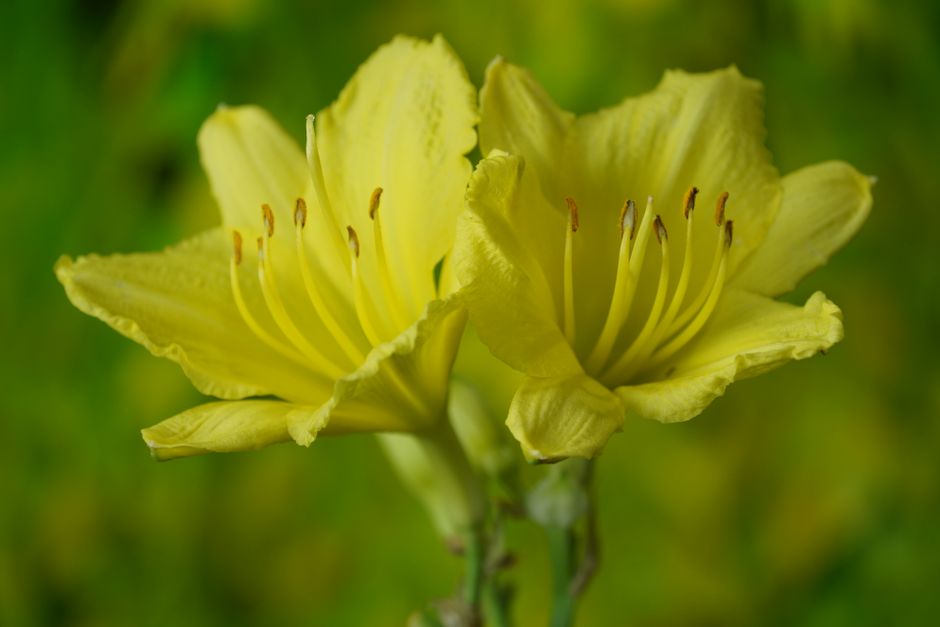
Daylilies (Hemerocallis) are herbaceous perennials, which means their foliage dies back naturally when cold weather arrives. You do not need to prune them for winter survival. The most common mistake gardeners make is cutting daylily leaves back too early in fall, which removes the plant’s ability to store energy for next spring. The right approach is to leave foliage in place until it yellows and collapses on its own, then clean up the dead material — usually in late fall or early winter, depending on your climate.
Do Daylilies Need to Be Pruned Before Winter?
No. Daylilies are winter-hardy in USDA zones 3 through 9, and they survive cold months without any pruning at all. The plant’s own biology handles winter preparation.
Here is what actually happens underground. Through summer and early fall, daylily leaves produce sugars through photosynthesis. Those sugars move down into the crown and roots, where they are stored. When temperatures drop and daylight shortens, the leaves begin to yellow, wither, and collapse. That decline is not disease — it is the plant completing its seasonal cycle. The energy has already been moved to storage.
If you cut green leaves in late summer or early fall, you interrupt that transfer. The plant has less stored energy going into winter. That does not usually kill a daylily, but it can mean weaker growth and fewer blooms the following season.
The one legitimate reason to remove foliage in fall is disease. If leaves show signs of rust, leaf streak, or crown rot, removing affected material can reduce the amount of fungus overwintering near the plant. In that case, cut back the diseased foliage and dispose of it in the trash rather than the compost pile.
How To Prune Daylilies For Winter: When and How
Timing matters more than technique. The goal is to wait until the foliage has fully died back on its own, then remove the dead material.
In most of the country, that window falls between late October and December. In warm zones like 8 and 9, daylilies may stay semi-evergreen through winter and never fully die back. In those climates, you can leave them alone entirely and simply tidy up in early spring.
When you do cut back:
- Wait until leaves are yellow, brown, and flattened to the ground.
- Use clean, sharp bypass pruners or garden shears.
- Cut foliage down to about 2 to 3 inches above soil level. Do not cut flush with the crown.
- Remove the cut leaves from the garden bed. Do not leave them piled on the crown, where they can trap moisture.
- Dispose of diseased foliage in the trash, not compost.
That 2-to-3-inch stub is not decorative. It helps you locate the plant in spring before new growth emerges, and it protects the crown from accidental damage from rakes or hoes.
One clarification worth knowing: daylily foliage left standing through winter does not insulate the plant in any meaningful way. The crown sits at or just below the soil surface, and soil temperature is what protects it. Snow cover helps. Leaves do not.
Should You Cut Daylilies Back in Fall or Wait Until Spring?
Both approaches work. The choice depends on your climate, your tolerance for messy beds, and whether disease is present.
Fall cleanup has one clear advantage: it removes overwintering sites for pests and fungal spores. If your daylilies had rust or leaf streak during the growing season, fall removal is the better choice. The fungus that causes daylily rust survives on living plant tissue, so removing foliage reduces the source of next year’s infection.
Spring cleanup has a different advantage: the dead foliage provides some winter interest and habitat for beneficial insects, and you avoid working in cold, wet soil. Many gardeners in zones 3 to 5 simply leave everything standing and cut back in March or early April, before new growth starts.
What you should not do is cut healthy green foliage in early fall. That is the only timing that genuinely harms the plant.





What Happens If You Never Prune Daylilies at All?
In most cases, nothing bad. Daylilies are tough, long-lived perennials. Untended clumps in old gardens keep blooming for decades.
The problems that do show up are gradual. Dense mats of dead foliage can trap moisture against the crown, which raises the risk of crown rot in wet climates. Overcrowded clumps bloom less over time — not because of missing pruning, but because the rhizomes become packed and compete for water and nutrients. That is a division issue, not a pruning issue.
If you never remove dead foliage, you also give slugs and snails a place to hide, and you make it harder to spot early signs of disease in spring. None of these are emergencies. They are reasons to tidy up eventually, not reasons to panic.
Common Mistakes When Winterizing Daylilies
Most daylily winter damage comes from a short list of avoidable errors.
- Cutting too early. Removing green leaves in August or September reduces stored energy.
- Cutting too low. Slicing into the crown can wound the plant and invite rot.
- Leaving debris on the crown. Piled leaves hold moisture against the plant through winter.
- Adding heavy mulch over the crown. A light layer of mulch is fine in cold zones, but piling mulch directly on the crown can smother it and cause rot. Keep mulch a few inches away from the plant’s center.
- Fertilizing in fall. Nitrogen in late season pushes tender new growth that cold will kill. Stop fertilizing by late summer.
One more point about mulch: in zones 3 to 5, a 2-to-3-inch layer of shredded leaves or bark over the root zone can help buffer soil temperature swings. In zones 6 and warmer, mulch is optional and mainly useful for weed control.
Do Different Daylily Types Need Different Winter Care?
Yes, to a degree. Daylilies fall into three foliage types, and they behave differently in winter.
- Dormant. Leaves die completely to the ground in fall. These are the most cold-hardy and need no special care.
- Semi-evergreen. Leaves die back partially, depending on how cold it gets. In mild winters, some foliage stays green.
- Evergreen. Leaves stay green year-round in warm climates but are damaged by hard freezes. These are less reliable in zones 3 to 5 and benefit from a light mulch.
If you do not know which type you have, watch the plant in late fall. If it collapses to the ground, it is dormant. If it stays partly green, it is semi-evergreen or evergreen.
For evergreen types in cold zones, do not cut back healthy green foliage in fall. Leave it and remove damaged leaves in spring once new growth appears.
Frequently Asked Questions
Should I cut my daylilies back before winter?
You can cut dead, yellowed foliage back to about 2 to 3 inches above soil level in late fall or early winter. Do not cut healthy green leaves in early fall, because the plant is still moving energy into its roots.
What month should you cut back daylilies?
Most gardeners cut back daylilies between late October and December, after the foliage has died back naturally. In warm zones 8 and 9, you can wait until early spring instead.
Do daylilies need to be covered for winter?
No. Daylilies are hardy in USDA zones 3 through 9 and survive winter without covering. In zones 3 to 5, a light 2-to-3-inch layer of mulch over the root zone can help, but keep it away from the crown.
What happens if I don’t prune my daylilies?
Usually nothing serious. The main risks of leaving dead foliage in place are moisture trapped against the crown and more hiding spots for slugs, not plant death.
