
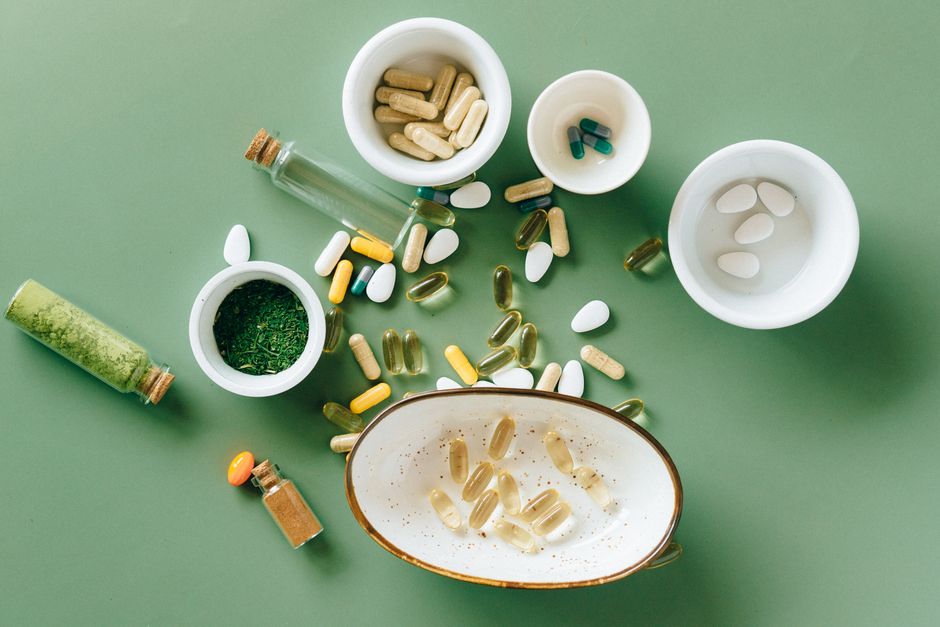
High blood pressure affects nearly half of all American adults, and many people want to know if a supplement can help bring their numbers down. The short answer is that a few supplements have genuine research behind them, but none of them replace the foundation of blood pressure management: diet, exercise, and prescribed medication when needed. The most studied options include potassium, magnesium, and certain dietary nitrates, though the evidence strength varies significantly between them.
What Otc Supplements Lower Blood Pressure?
Potassium, magnesium, and beetroot powder have the strongest clinical evidence for lowering blood pressure. Coenzyme Q10 and garlic extract also show promise, but the research is less consistent. No over-the-counter supplement has been proven to work as well as prescription blood pressure medication, and none should be used as a replacement without talking to your doctor.
The key distinction is between supplements that address a known deficiency and supplements that act as pharmacological agents. Correcting a potassium or magnesium deficiency can have a meaningful impact on blood pressure. Taking extra amounts of these minerals when you already have enough may not help at all.
Potassium: The Mineral With the Strongest Evidence
Potassium has the most consistent track record for lowering blood pressure. The mechanism is well understood. Potassium helps blood vessels relax and helps the kidneys excrete excess sodium. When potassium intake is low, blood vessels tend to constrict and sodium levels climb, both of which push blood pressure upward.
Research consistently shows that increasing potassium intake lowers blood pressure, especially in people with high sodium intake. The effect is more pronounced in people who already have hypertension. Studies have found that increasing potassium intake can lower systolic blood pressure by several points in people with high blood pressure.
The recommended daily intake for potassium is 3,400 milligrams for adult men and 2,600 milligrams for adult women. Most Americans fall short of these targets. Food sources include bananas, potatoes, sweet potatoes, spinach, beans, and yogurt.
Potassium supplements are available over the counter, but there is a limit. The FDA caps over-the-counter potassium pills at 99 milligrams per tablet to reduce the risk of intestinal injury. That is a fraction of the daily requirement. Getting potassium from food is far more practical than trying to meet your needs with pills.
Potassium supplements carry a real risk for people with kidney disease or those taking certain blood pressure medications. ACE inhibitors and ARBs can raise blood potassium levels. Adding a supplement on top of these medications can push potassium into a dangerous range that can cause heart rhythm problems. Never start potassium supplements without checking with your doctor if you have kidney issues or take blood pressure medication.
Magnesium: Helpful When Deficient
Magnesium plays a role in over 300 enzymatic reactions in the body, including those that regulate blood vessel tone. Low magnesium levels are associated with higher blood pressure. Some research suggests that magnesium supplementation produces a modest reduction in blood pressure, typically a few points of systolic pressure.
The evidence is not as strong as it is for potassium. A 2016 meta-analysis published in the journal Hypertension found that magnesium supplementation lowered blood pressure by a small but significant amount. The effect was more noticeable in people who were deficient in magnesium to begin with.
The recommended daily intake for magnesium is 400 to 420 milligrams for men and 310 to 320 milligrams for women. Many people do not meet this target through diet alone. Good food sources include almonds, spinach, cashews, peanuts, and black beans.
Magnesium supplements are generally safe at recommended doses. High doses can cause diarrhea and stomach cramping. People with kidney disease should avoid magnesium supplements unless a doctor approves, because impaired kidneys cannot clear excess magnesium effectively.



Beetroot Powder and Dietary Nitrates
Beetroot powder has gained popularity for blood pressure support, and the research behind it is legitimate. Beets are rich in dietary nitrates. The body converts these nitrates into nitric oxide, a molecule that signals blood vessels to relax and widen. Wider blood vessels mean lower pressure.
Several clinical trials have shown that beetroot juice or powder can lower blood pressure within hours of consumption. The effect is temporary, lasting several hours. Regular consumption may produce sustained reductions, but the long-term data is still limited.
Typical doses used in studies range from 250 to 500 milliliters of beetroot juice or the equivalent in powder form. The exact amount of nitrates varies between products, which makes dosing unpredictable. A typical dose in research provides around 300 to 500 milligrams of dietary nitrate.
People taking nitrates for chest pain should avoid beetroot supplements. The combination can cause blood pressure to drop too low. Beetroot can also turn urine and stool pink or red, which is harmless but can be alarming if you do not expect it.
Coenzyme Q10: Promising but Inconsistent
Coenzyme Q10, or CoQ10, is an antioxidant that cells use to produce energy. Some research has suggested that CoQ10 supplementation lowers blood pressure. The proposed mechanism involves improving the function of the endothelium, the lining of blood vessels.
The evidence is mixed. Some small studies showed meaningful reductions in blood pressure. Other trials found little to no effect. A 2016 analysis of randomized controlled trials found that CoQ10 reduced systolic blood pressure by several points, but the authors noted that the quality of the included studies was generally low.
CoQ10 supplements are generally well tolerated. They can interact with blood thinners like warfarin, potentially reducing the effectiveness of the medication. If you take warfarin, talk to your doctor before starting CoQ10.
Garlic Extract: Traditional Remedy With Some Support
Garlic has been used for centuries as a medicinal plant, and modern research has examined its effects on blood pressure. Aged garlic extract is the form most commonly studied. The active compounds in garlic are thought to increase nitric oxide production and relax blood vessels.
Some clinical trials have found that aged garlic extract can lower blood pressure in people with hypertension. The effect appears modest, similar in size to what is seen with magnesium. Not all studies have shown a benefit, and the quality of the research varies.
Garlic supplements can increase bleeding risk, especially in people already taking blood thinners. They can also cause digestive upset and a noticeable garlic odor. If you are scheduled for surgery, stop garlic supplements at least a week beforehand.
Which Supplements Are Not Worth Your Money
Many supplements marketed for blood pressure have no meaningful clinical evidence behind them. This includes products containing hawthorn, fish oil, vitamin D, and various herbal blends. Some of these have theoretical mechanisms that sound plausible, but the clinical data does not support their use for blood pressure control.
Fish oil is a common example. Omega-3 fatty acids have many documented health benefits, but the effect on blood pressure is small and inconsistent. High doses of fish oil can lower blood pressure slightly, but the amount needed often causes digestive side effects. Most cardiologists do not recommend fish oil specifically for blood pressure management.
Vitamin D deficiency is associated with higher blood pressure, but correcting a deficiency does not reliably lower blood pressure in people with hypertension. The evidence does not support using vitamin D supplements as a blood pressure treatment.
What Actually Lowers Blood Pressure: The Non-Negotiables
Supplements occupy a small corner of blood pressure management. The interventions with the strongest evidence are lifestyle changes and prescription medications. These are not optional extras. They are the foundation.
The DASH diet, which stands for Dietary Approaches to Stop Hypertension, has been shown in multiple clinical trials to lower blood pressure significantly. This eating pattern emphasizes fruits, vegetables, whole grains, lean protein, and low-fat dairy while limiting sodium, saturated fat, and added sugar. The effect can be comparable to taking a single blood pressure medication.
Reducing sodium intake matters, especially for people who are salt-sensitive. The average American consumes roughly 3,400 milligrams of sodium per day, well above the recommended limit of 2,300 milligrams. Cutting back to around 1,500 milligrams can produce additional blood pressure reductions.
Regular aerobic exercise lowers blood pressure by about 5 to 8 points. The effect appears within weeks of starting a consistent exercise program. Walking briskly for 30 minutes most days of the week is enough to see benefits.
Limiting alcohol to no more than one drink per day for women and two for men also helps. Each of these lifestyle changes produces a modest effect on its own. Combined, they can be substantial.
When Supplements Make Sense
Supplements are most useful when they correct a documented deficiency. If blood tests show low magnesium or potassium levels, supplementing to restore normal levels is reasonable and can support blood pressure control. This is different from taking supplements in the hope of lowering blood pressure when your levels are already normal.
Some clinicians recommend magnesium or CoQ10 as adjuncts to standard treatment in select patients. This is common practice, but it is not strongly supported by large clinical trials. It is reasonable to discuss these options with your doctor, but you should not expect them to replace medication.
If you do decide to try a supplement, choose a reputable brand that undergoes third-party testing. The FDA does not regulate supplements for safety or effectiveness before they reach the market. Third-party testing at least verifies that the product contains what the label claims.
Frequently Asked Questions
What is the most effective over-the-counter supplement for blood pressure?
Potassium has the strongest evidence for lowering blood pressure, especially in people with high sodium intake. Magnesium and beetroot powder also have clinical support but with more modest effects.
Can I stop taking my blood pressure medication if I start a supplement?
No. No over-the-counter supplement has been proven to work as well as prescription blood pressure medication. Stopping medication without medical supervision can cause dangerous spikes in blood pressure.
How long does it take for supplements to lower blood pressure?
Beetroot powder can lower blood pressure within hours of consumption, but the effect is temporary. Potassium and magnesium supplements typically take several weeks of consistent use to produce measurable changes.
Are blood pressure supplements safe for everyone?
No. Potassium supplements are dangerous for people with kidney disease or those taking ACE inhibitors. Garlic and CoQ10 can interact with blood thinners. Always check with your doctor before starting any supplement.
