
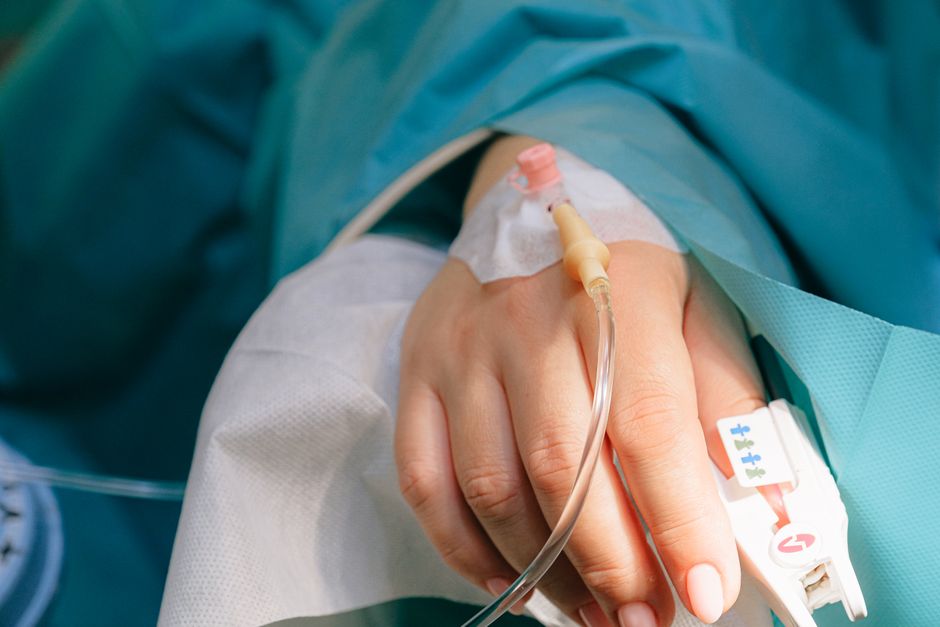
An upper endoscopy is a common procedure. A thin flexible tube with a camera passes down your throat to look at your esophagus, stomach, and the first part of your small intestine. Most people go home the same day. The question of what to eat afterward matters, but maybe not in the way you expect.
If you had sedation, the first rule is simple: nothing by mouth until your swallowing reflex is fully back, which usually takes about an hour. After that, there is no single mandatory diet. What you should avoid depends on whether the doctor took a biopsy, found irritation, or treated something. For a routine exam with no findings, most people can eat normally once they feel alert. For anything more than that, bland soft foods are the safer choice for the first day. The foods most worth skipping are alcohol, very spicy dishes, heavy greasy meals, acidic foods like citrus and tomato, and anything that is hard, sharp, or very hot.
What Not To Eat After Endoscopy To Heal Faster?
There is no food that speeds healing. That framing gets repeated a lot, and it is misleading. Food cannot accelerate the repair of tissue in your esophagus or stomach. What food can do is avoid making things worse.
The tissues in your upper digestive tract are sensitive when they have just been irritated, biopsied, or treated. Certain foods and drinks can increase acid production, relax the valve between your stomach and esophagus, or physically scrape a healing surface. Avoiding those things gives the tissue the best chance to recover on its own.
Here is what is generally worth avoiding for the first day, and longer if you had a biopsy or treatment:
- Alcohol — irritates the stomach lining directly and increases acid. Skip it for at least 24 hours, longer if you had a biopsy.
- Spicy food — chili, hot sauce, curry, and similar foods can cause burning in a tract that is already raw.
- Citrus and tomato — oranges, lemons, grapefruit, tomato sauce, and salsa are acidic and can sting irritated tissue.
- Fried and greasy food — slows stomach emptying and can worsen reflux.
- Coffee and strong tea — caffeine can increase acid and relax the lower esophageal sphincter.
- Carbonated drinks — the gas can cause bloating and pressure, which is uncomfortable after a scope.
- Very hot food or drinks — heat can irritate tissue that is already inflamed.
- Hard, sharp, or crunchy foods — chips, crusty bread, nuts, and seeds can scratch a biopsy site.
Notice what is not on that list. There is nothing here about specific “healing foods.” The list is about avoiding irritation, not adding a remedy.
Why Does the Type of Endoscopy Change What You Can Eat?
The procedure itself is not the same for everyone. What your doctor did during the scope changes how careful you need to be afterward.
A diagnostic endoscopy is just a look. The camera goes in, the doctor examines the lining, and the tube comes out. No tissue is removed. No treatment is applied. For most people, this causes little to no injury. You can usually eat normally once you are fully awake and your throat feels comfortable.
An endoscopy with biopsy is different. The doctor removes tiny pieces of tissue — often from the stomach or esophagus — to test for conditions like H. pylori infection, celiac disease, or Barrett’s esophagus. These are small samples, but they leave small raw spots. Eating hard or sharp food too soon can irritate them. Bland, soft food for a day is a reasonable precaution.
A therapeutic endoscopy is more involved. This includes removing polyps, treating bleeding, stretching a narrowed esophagus, or banding varices. In these cases, the doctor has actively treated tissue. The recovery instructions matter more, and your doctor will usually give you specific guidance. Follow that guidance over anything general you read online.
This is the part most articles skip: the advice is not one-size-fits-all. A person who had a quick look-and-see scope and a person who had a bleed treated are not in the same situation.
How Long Should You Wait Before Eating?
If you received sedation, wait until your swallowing is back to normal. This usually takes about an hour, but it varies. Trying to eat or drink too soon risks choking or aspiration, where food or liquid goes into your airway instead of your stomach. That is a real risk, not a minor one.
Once your swallow is safe, start with sips of water. If that goes down easily, you can move to soft food.
For a routine scope with no biopsy or treatment, many people eat a normal meal the same day. For a biopsy, soft bland food for about 24 hours is a common approach. For a therapeutic procedure, your doctor’s instructions take priority, and the timeline may be longer.
Do not push yourself to eat a full meal right away. Small amounts are easier on a stomach that may still feel bloated from the air used during the procedure.
What Foods Are Easiest on Your Stomach Afterward?
When you are ready to eat, soft and mild is the theme. These foods are unlikely to irritate tissue or cause reflux:
- Plain crackers or toast
- Plain rice or oatmeal
- Bananas
- Applesauce
- Plain yogurt
- Scrambled eggs
- Cooked soft vegetables
- Broth or mild soup
- Plain chicken or fish, not fried
This is close to what clinicians sometimes call a bland diet. It is not a treatment. It is simply food that is easy to tolerate while your tract settles.
Drink water and stay hydrated. If you had sedation, fluids help your body clear the medication.
What Symptoms Mean You Should Call Your Doctor?
Mild throat soreness, bloating, and a little gas are common after endoscopy. They usually pass within a day. Some symptoms are not normal and need medical attention.
Call your doctor or seek care if you have:
- Severe or worsening pain in your chest or abdomen
- Vomiting blood, or vomit that looks like coffee grounds
- Black, tarry stools
- Fever
- Trouble swallowing that does not improve
- Shortness of breath or chest pain
These can signal bleeding or a tear, which are uncommon but serious. Do not wait to see if they go away. Bleeding after a biopsy or polyp removal is rare but possible, sometimes days later.
One detail people often miss: a sore throat is expected, but a sore throat that gets worse over several days is not. That kind of change is worth a phone call.
Does the “Healing Food” Advice Online Hold Up?
No. A lot of what circulates online about foods that “heal” the stomach lining is not supported by evidence. Terms like “gut-healing” and “soothing” get attached to foods and supplements with no clinical trials behind them.
The stomach lining actually replaces itself quickly on its own. It does not need special food to do this. It needs you to avoid things that cause further irritation, and in some cases it needs medical treatment for the underlying condition.
If your endoscopy found a specific problem — an ulcer, reflux disease, an infection — the treatment is medical, not dietary. Food may play a supporting role, but it is not the cure. Be skeptical of anyone selling a food or supplement as the answer to a diagnosed condition.
When Can You Go Back to Normal Eating?
For a simple diagnostic scope, most people are back to normal eating within a day. For a biopsy, it is often the same. For a therapeutic procedure, your doctor will tell you, and that timeline can be longer.
A reasonable approach: eat soft and mild the first day, then add foods back gradually. If something causes burning or pain, hold off on it for another day. Your body will let you know.
If you are unsure, ask the team that did your procedure. They know exactly what was done and can give you an answer that fits your situation, which no general article can.
Frequently Asked Questions
Can I eat right after my endoscopy?
Not until your swallowing reflex is fully back, which usually takes about an hour after sedation. Once you can swallow safely, start with sips of water and then soft food.
What foods should I avoid after an endoscopy with biopsy?
Avoid alcohol, spicy food, citrus, tomato, greasy food, caffeine, carbonated drinks, and anything hard or sharp for about a day. These can irritate the small raw spots left by the biopsy.
Is coffee okay after an endoscopy?
It is best to skip coffee for the first day. Caffeine can increase stomach acid and relax the valve that keeps acid out of your esophagus.
How long does it take to recover from an endoscopy?
Most people feel normal within a day after a routine scope. If you had a biopsy or treatment, recovery may take longer, and you should follow your doctor’s instructions.
