
A torn tendon can stop you in your tracks. The pain is sharp, the area swells, and simple movements become impossible. Healing takes time, and the right approach matters. Treatment depends on where the tear is and how severe it is. Most tendon tears heal with rest, physical therapy, and time. Severe tears may need surgery. Recovery can take weeks or months, depending on the tendon and the injury. The good news is that most people regain full function with proper care.
What Exactly Is a Torn Tendon?
Tendons are tough bands of tissue that connect muscle to bone. They transfer the force of your muscle to your skeleton, which is what allows movement. When a tendon tears, the fibers stretch or break. A partial tear means some fibers remain intact. A complete tear means the tendon is split into two pieces.
Tendons have a poor blood supply compared to muscle. That is why they heal slowly. The body can repair the tissue, but it takes time. Some tendons, like the Achilles tendon at the back of the ankle, are especially prone to tears. Others, like the rotator cuff in the shoulder, are common injury sites as we age.
How Do You Know If You Have a Torn Tendon?
Symptoms vary by location but share common features. You will likely feel sudden, sharp pain at the time of injury. Swelling and bruising often follow. You may hear or feel a popping sensation when the tear happens. Weakness in the affected area is typical. In some cases, you cannot move the joint at all.
A torn tendon is different from a strained muscle, though they feel similar. A strain involves the muscle itself. A tear involves the tendon. Imaging tests can tell the difference. An ultrasound or MRI can show the extent of the damage. Your doctor may also test your range of motion and strength during a physical exam.
How To Heal A Torn Tendon Treatment And Recovery: The First Steps
The first 48 to 72 hours after injury set the stage for recovery. Rest the injured area immediately. Do not push through the pain. Ice the area for 15 to 20 minutes several times a day to reduce swelling. Compression with an elastic bandage can help limit fluid buildup. Elevating the injured limb above heart level also reduces swelling.
Over-the-counter pain relievers like ibuprofen or naproxen can manage pain and inflammation. Acetaminophen can help with pain but does not reduce inflammation. Check with your doctor before taking any medication, especially if you have other health conditions.
Immobilization is often necessary. A splint, brace, or cast keeps the tendon still so it can begin repairing itself. For some tendons, like the Achilles, you may need to use crutches to keep weight off the area. How long you need to immobilize depends on the severity of the tear.




What Are the Treatment Options for a Torn Tendon?
Treatment falls into two categories: nonsurgical and surgical. The choice depends on which tendon is torn, how severe the tear is, your age, and your activity level.
Nonsurgical treatment works for many partial tears. It involves rest, immobilization, and then a gradual return to movement through physical therapy. Some complete tears can also heal without surgery, particularly in the Achilles tendon. Research shows that nonsurgical treatment for Achilles tears can produce outcomes similar to surgery in some patients.
Surgery is more common for complete tears in younger, active people. The surgeon reattaches the torn ends of the tendon. After surgery, you will need a period of immobilization followed by rehabilitation. Surgery does not speed up healing. It reconnects the tissue so the body can heal it properly.
Why Physical Therapy Is Essential for Recovery
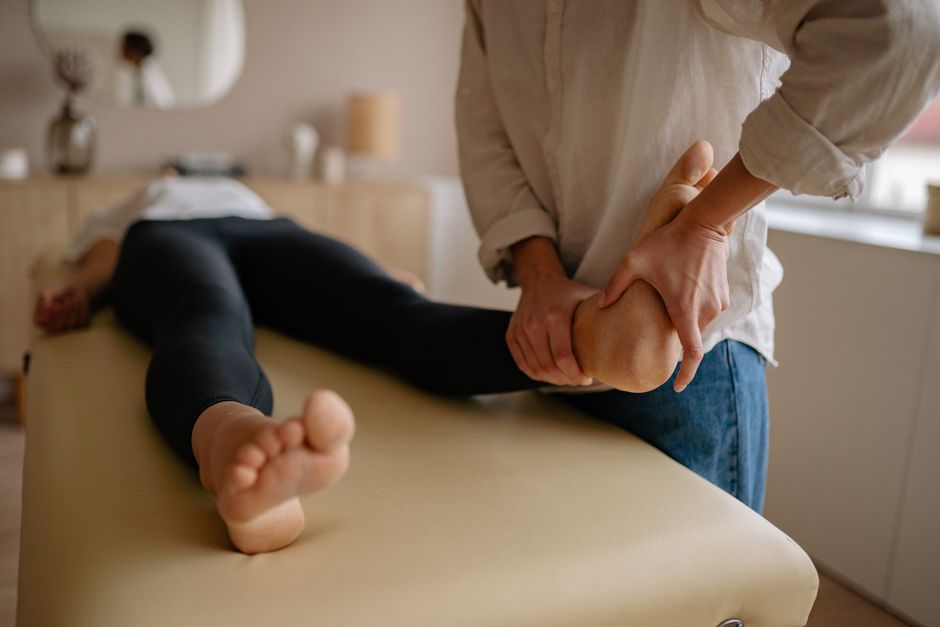
Physical therapy is not optional. It is the most important part of recovery. Without it, the tendon can heal but remain weak and stiff. You may lose range of motion in the joint. Scar tissue can form and limit movement.
Physical therapy starts with gentle range-of-motion exercises. These keep the joint from stiffening while the tendon heals. As healing progresses, you add strengthening exercises. The goal is to gradually load the tendon so it adapts and becomes stronger. This process is called progressive loading.
The timeline for physical therapy varies. A minor partial tear might need a few weeks of therapy. A complete tear repaired surgically might need several months. Your therapist will guide you through each stage based on how your tendon responds.
How Long Does a Torn Tendon Take To Heal?
Recovery timelines are not one-size-fits-all. A small partial tear can heal in four to six weeks. A complete tear may take four to six months or longer. The location matters. Tendons in areas with slightly better blood supply, like the hand, may heal faster than those with poor blood supply, like the rotator cuff.
The healing process has three phases. The first is the inflammatory phase, lasting about a week. The body sends cells to the area to clean up damaged tissue. The second is the proliferative phase, where the body lays down new collagen fibers. This lasts several weeks. The third is the remodeling phase, where the new tissue strengthens and organizes. This can last months.
Do not rush the timeline. Returning to full activity too soon can re-tear the tendon. A re-tear is often worse than the original injury. Follow your doctor’s and physical therapist’s guidance on when to resume normal activities.
Can You Prevent a Torn Tendon?
You cannot prevent every injury, but you can reduce your risk. Strengthening the muscles around your joints helps support the tendons. Flexibility exercises keep tissues supple. Warming up properly before exercise prepares the tendons for load. Sudden increases in activity level are a common cause of tendon injuries, so increase intensity gradually.
Age is a risk factor you cannot change. Tendons naturally lose some strength and elasticity as we get older. Certain medical conditions, like diabetes and rheumatoid arthritis, also increase the risk of tendon tears. Some medications, particularly fluoroquinolone antibiotics, have been linked to tendon rupture. If you take these medications and develop tendon pain, contact your doctor.
When Should You See a Doctor for a Torn Tendon?
See a doctor if you cannot bear weight on the injured area. See a doctor if you cannot move the joint normally. See a doctor if the pain is severe or does not improve with rest and ice. These signs may indicate a complete tear that needs more than home care.
Delaying treatment can make the injury worse. A partial tear can become a complete tear if you keep using it. Scar tissue can form in the wrong pattern, making recovery harder. Early evaluation gives you the best chance at a full recovery.
What Happens If a Torn Tendon Is Left Untreated?
An untreated complete tear will not heal on its own. The tendon ends will not reconnect without intervention. You will have permanent weakness and loss of function. In some cases, the muscle attached to the tendon will shorten over time, making surgical repair more difficult or impossible.
Partial tears can sometimes heal without treatment, but the quality of healing is often worse. The tendon may heal with scar tissue that is weaker than normal tendon tissue. This increases the risk of re-injury. Chronic pain and stiffness can also develop.
Myths About Tendon Healing
One common myth is that complete rest is the best treatment. Complete rest for too long actually harms recovery. It leads to muscle wasting and joint stiffness. The tendon needs controlled movement to heal properly. That is why physical therapy starts early, even after surgery.
Another myth is that supplements can speed up tendon healing. Collagen supplements, vitamin C, and other products are marketed for tendon health. Some research suggests they may play a role in tissue repair, but no supplement has been proven to accelerate tendon healing in humans. The evidence is limited. Eating a balanced diet with adequate protein supports healing, but no single supplement is a shortcut.
Ice is sometimes thought to delay healing. Current evidence does not support this concern. Ice reduces pain and swelling in the early phase, which helps you stay comfortable. It does not prevent the healing process from happening.
Frequently Asked Questions
Can a torn tendon heal without surgery?
Yes, many partial tears and some complete tears heal without surgery. The outcome depends on the specific tendon and the severity of the tear.
How long should I rest a torn tendon?
Rest for the first few days after injury, then begin gentle movement as directed by a doctor or physical therapist. Prolonged complete rest can slow recovery.
What is the fastest way to heal a torn tendon?
There is no shortcut. Following a structured rehabilitation program with physical therapy is the most effective approach to healing.
Is surgery always needed for a completely torn tendon?
No. Some complete tears, especially in the Achilles tendon, can heal with nonsurgical treatment. Your doctor will recommend the best option based on your situation.
