
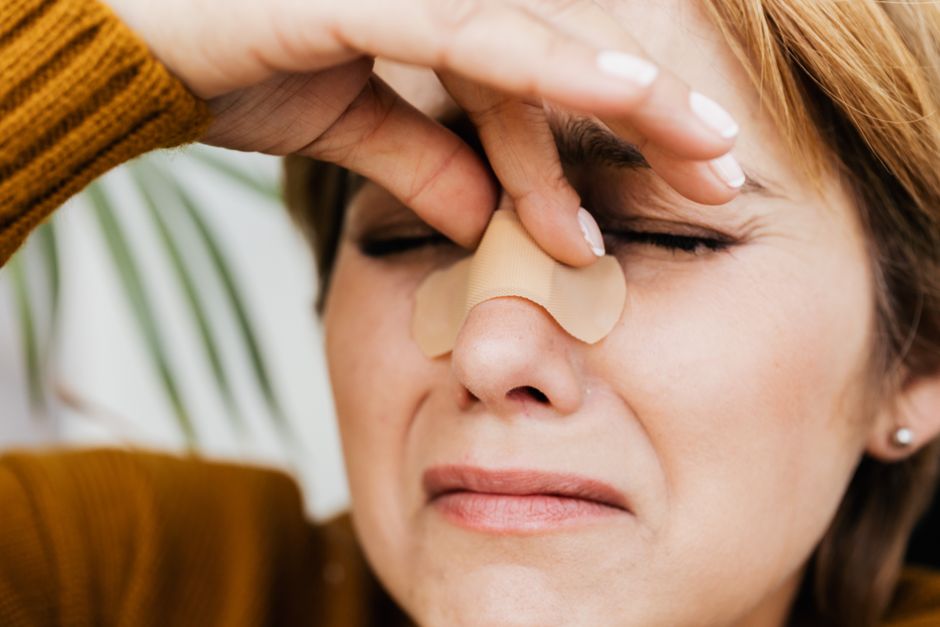
A sore inside your nose is painful, annoying, and hard to ignore. Every breath, sniffle, or touch reminds you it is there. Most nasal sores heal on their own within a few days if you leave them alone and keep the area moist. The key steps are simple: stop picking or blowing forcefully, apply a gentle moisturizer, and let your body do the healing. If the sore lasts longer than a week, bleeds heavily, or spreads, you need to see a doctor.
What Causes a Sore Inside the Nose?
Nasal sores have many possible causes. The most common is physical irritation. Nose picking, aggressive blowing, or inserting objects can damage the delicate lining inside your nostrils. This lining is thin and full of tiny blood vessels, so it bruises and tears easily.
Dry air is another frequent culprit. When the air in your home is dry, especially in winter, the nasal lining dries out and cracks. Those tiny cracks can turn into painful sores. Allergies and frequent nose blowing create the same problem through constant friction and moisture loss.
Infections also cause nasal sores. The bacteria Staphylococcus aureus lives in the nose of many healthy people without causing problems. But when the lining is damaged, that bacteria can move in and cause an infection. This often looks like a pimple or boil inside the nostril. Cold sores from the herpes simplex virus can also appear inside the nose, though they are more common on the lips.
Less common causes include inflammatory conditions like lupus or Crohn’s disease, which can produce sores in the nasal lining. Some nasal sprays, especially those with steroids, can irritate the nose if used too often. In rare cases, a persistent sore that will not heal could be a sign of something more serious.
How To Heal A Sore In Your Nose: First Steps That Work
Start with the basics. Stop touching the sore. Every time you pick or rub it, you reopen the wound and introduce new bacteria from your fingers. This is the single most important thing you can do.
Keep the area moist. A dry sore heals slower and hurts more. Apply a thin layer of plain petroleum jelly, such as Vaseline, to the inside of the nostril using a clean cotton swab. Do this two to three times a day. Petroleum jelly creates a protective barrier that keeps the lining from drying out and cracking further.
Saline nasal gel or spray is another good option. These products moisturize without adding irritants. Look for products that contain only saline and no added medications or preservatives. Apply the gel with a clean finger or swab as needed throughout the day.
Use a humidifier in your bedroom at night. Keeping moisture in the air prevents your nasal lining from drying out while you sleep. This alone can speed up healing significantly.
Home Remedies That Actually Help
A warm compress can ease the pain and promote drainage if the sore looks like a pimple or boil. Soak a clean washcloth in warm water, wring it out, and hold it against the outside of your nose for 10 to 15 minutes. Do this three times a day. The warmth increases blood flow to the area, which supports healing.
Saline rinses can keep the inside of your nose clean. Use a store-bought saline spray or make your own with distilled water and salt. A neti pot works too, but only if you use sterile or distilled water. Tap water can introduce bacteria into your nose, so avoid it unless you boil and cool it first.
Over-the-counter antibiotic ointments like bacitracin or mupirocin can help if the sore appears infected. Signs of infection include yellow or green discharge, increasing pain, or a sore that looks like a pimple with a white head. Apply a small amount with a cotton swab twice a day. Do not use these ointments for more than a few days unless a doctor tells you to.
Some research suggests that honey has antibacterial properties and may help heal wounds. You can apply a small amount of medical-grade manuka honey to the sore, but this is not a first-line treatment. Regular grocery store honey is not sterile and should not go inside your nose.




What Not to Do When You Have a Nasal Sore
Do not pop or squeeze the sore. If it looks like a pimple, resist every urge to pop it. Squeezing pushes bacteria deeper into the tissue and can cause the infection to spread. This is especially dangerous in the nose because veins in this area connect to the brain.
Do not use harsh chemicals. Alcohol, hydrogen peroxide, and essential oils will burn the delicate nasal lining and slow healing. They destroy healthy tissue along with bacteria. Skip them entirely.
Do not use decongestant sprays for more than three days. Sprays like oxymetazoline (Afrin) shrink blood vessels and dry out the nose. Using them too long causes rebound congestion and further drying, which makes sores worse.
Do not ignore the sore if it gets worse. A small sore that turns into a large, painful boil needs medical attention. This is called a nasal vestibulitis when it is mild, or a furuncle when it forms a larger boil. Both require proper treatment to prevent complications.
When a Nasal Sore Needs Medical Attention
Most nasal sores are minor and heal on their own. But some require a doctor’s care. Seek medical attention if the sore lasts longer than a week without improvement. Also see a doctor if the sore bleeds heavily, returns repeatedly in the same spot, or is accompanied by fever, facial pain, or swelling.
Any sore that spreads or grows rapidly needs evaluation. So does a sore that produces thick yellow or green discharge. These signs point to a bacterial infection that may need prescription antibiotics.
One serious condition to know about is a cavernous sinus thrombosis. This is a rare but dangerous blood clot that can form when a nasal infection spreads to the brain. Warning signs include severe headache, high fever, bulging eyes, or vision changes. This is a medical emergency. Call 911 or go to an emergency room immediately if you have these symptoms.
People with weakened immune systems, diabetes, or a history of frequent infections should see a doctor sooner rather than later. What might be a minor sore for someone else can become a serious infection for you.
How to Prevent Nasal Sores From Coming Back
Prevention starts with moisture. If you live in a dry climate or use indoor heating, run a humidifier regularly. Keep the humidity in your home between 30 and 50 percent. This simple step prevents the nasal lining from drying out in the first place.
Stop picking your nose. This is a hard habit to break, but it is the most common cause of recurring nasal sores. If you pick unconsciously, try keeping your nails short and your hands busy. Some people find that wearing gloves or using a fidget device helps.
Blow your nose gently. One nostril at a time with light pressure is easier on the lining than a forceful blow through both nostrils. If you have allergies, treat them with antihistamines or nasal steroid sprays as directed by your doctor. Controlling allergy symptoms reduces the urge to blow and rub.
Stay hydrated. Drinking enough water keeps all your mucous membranes, including the nose, healthier. The amount you need varies by body size and activity level, but a good target is eight 8-ounce glasses a day. Urine that is light yellow is a practical sign you are drinking enough.
Nasal Sores and Cancer: What the Evidence Shows
A sore in the nose that will not heal can be a sign of nasal cancer, but this is rare. Most nasal sores are benign and resolve quickly. The concern rises when a sore persists for more than a few weeks, bleeds easily, or is accompanied by a lump or facial numbness.
Nasal cavity cancer accounts for a very small fraction of all cancers. It is more common in people who smoke, work with certain industrial chemicals like wood dust or nickel, or have a history of radiation exposure to the head and neck. If you have none of these risk factors and the sore heals within a week, cancer is extremely unlikely.
Still, any sore that does not heal within two weeks deserves a professional look. An ear, nose, and throat doctor (ENT) can examine the inside of your nose with a small camera. This is a quick, painless procedure. It provides a definitive answer and peace of mind.
Frequently Asked Questions
How long does it take for a sore in the nose to heal?
Most minor nasal sores heal within 3 to 7 days with proper care. If a sore lasts more than a week without improving, see a doctor.
Can I put Neosporin inside my nose?
Yes, a small amount of antibiotic ointment like Neosporin or bacitracin can be applied with a cotton swab if the sore looks infected. Do not use it for more than a few days without medical advice.
Is it safe to pop a pimple inside my nose?
No. Popping a sore inside the nose can push bacteria deeper and cause a serious infection. The veins in this area connect to the brain, so complications are possible.
Why do I keep getting sores in my nose?
Recurring sores usually come from chronic dry air, nose picking, or untreated allergies. A humidifier, gentle nose blowing, and allergy treatment can reduce how often they happen.
