
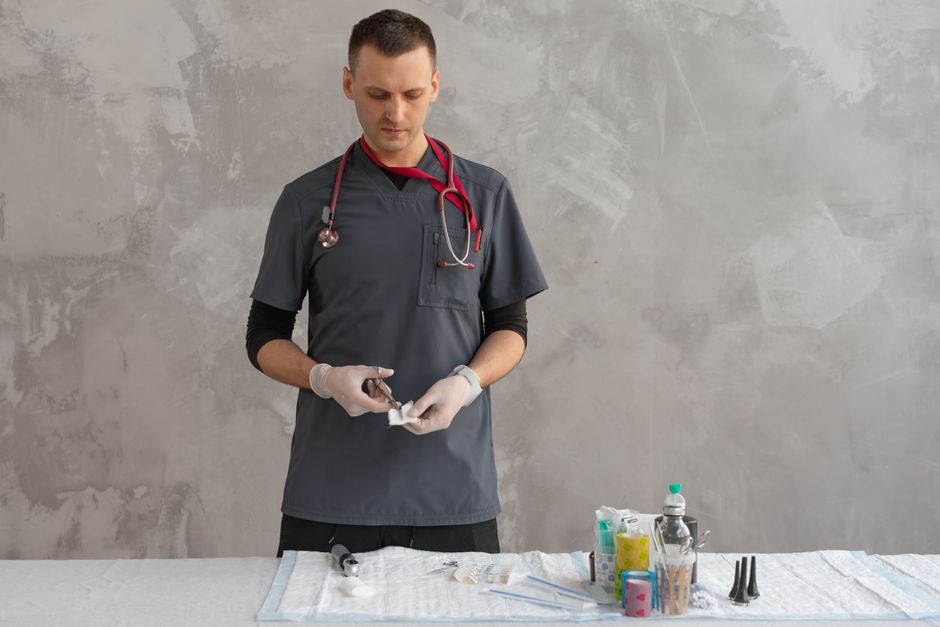
Yes, you can get an endoscopy and colonoscopy at the same time. This is a common and safe practice called a “double endoscopy” or combined procedure. Doctors often schedule them together when a patient needs both an upper GI exam and a colon exam, allowing you to undergo one sedation session instead of two separate visits.
Why Would You Need Both Procedures at Once?
An endoscopy, also called an upper endoscopy or EGD, examines your esophagus, stomach, and the first part of your small intestine. A colonoscopy examines your entire large intestine, or colon. These are two different organs, but they are often checked together for a complete digestive evaluation.
Doctors commonly recommend combined procedures when you have symptoms that could originate in either area. These symptoms include unexplained abdominal pain, chronic diarrhea, unexplained weight loss, or gastrointestinal bleeding. Some patients have a family history of both stomach and colon conditions, making a full evaluation practical in one sitting.
Combining the procedures reduces the number of times you need anesthesia. It also means one recovery period instead of two. Most patients prefer this arrangement because it saves time and reduces the overall disruption to their schedule.
How Does a Combined Procedure Work?
You receive sedation before either scope is inserted. The doctor typically performs the upper endoscopy first. This takes about 15 to 20 minutes. Then the doctor turns you to your side and performs the colonoscopy, which takes about 30 to 60 minutes depending on what is found.
You remain under the same sedation throughout both parts. You do not wake up between procedures. The total time in the procedure room is usually around 45 to 90 minutes, but this varies based on your anatomy and whether the doctor needs to take biopsies or remove polyps.
You will not feel either scope while sedated. Most people remember nothing about the procedure itself. You wake up in the recovery area once both parts are complete.
The preparation is the main challenge. You still need to complete the full bowel prep the day before, which means drinking a laxative solution and following a clear liquid diet. There is no separate preparation for the upper endoscopy beyond fasting.
What Are the Risks of Combined Endoscopy and Colonoscopy?
The risks are essentially the same as having either procedure alone. The combined approach does not add new risks simply because both are done together.
Common minor side effects include a sore throat from the endoscope, bloating or cramping from the air used during colonoscopy, and lingering sedation effects. These usually resolve within a few hours.
Serious complications are rare but possible. Perforation, or a tear in the intestinal wall, occurs in fewer than 1 in 1,000 colonoscopies. Bleeding can occur at biopsy or polyp removal sites. Reactions to sedation are possible but uncommon. Your doctor will review your specific risk factors before the procedure.
One consideration is that the total sedation time is longer than a single procedure. This slightly increases the theoretical risk of sedation-related complications. However, for healthy patients, the difference is minimal. Your anesthesia provider will assess you individually before deciding if combined sedation is appropriate.


What Is the Recovery Like After a Double Procedure?
You will stay in the recovery room for about 30 to 60 minutes after waking up. Your blood pressure, heart rate, and oxygen levels are monitored during this time. Most people feel drowsy and slightly bloated when they first wake up.
You cannot drive for 24 hours after sedation. You also should not make important decisions or operate machinery that day. You need a responsible adult to take you home, even if you feel fine.
You can usually resume a normal diet right away unless the doctor found something that requires dietary changes. If polyps were removed, your doctor may recommend a soft diet for a day or two. You may pass some blood from the rectum if biopsies were taken, but this should be light and brief.
Call your doctor if you develop severe abdominal pain, fever, heavy bleeding, or difficulty swallowing. These symptoms are uncommon but require prompt medical attention.
How Much Does It Cost to Have Both Done Together?
Combining the procedures is often cheaper than having them separately. You pay for one facility fee and one anesthesia bill instead of two. However, you still pay for two professional fees, one for each procedure performed by the doctor.
Insurance coverage varies. Some plans cover both procedures under a single outpatient visit. Others treat them as separate services with separate deductibles. Call your insurance company before scheduling to understand your specific out-of-pocket costs.
Medicare typically covers both screening and diagnostic endoscopy and colonoscopy when medically necessary. If you have a high deductible plan, you may pay more out of pocket. Ask your doctor’s office for a cost estimate before the procedure day.
Can You Get an Endoscopy and Colonoscopy at the Same Time for Screening?
Yes, but this depends on why you need them. Colonoscopy is a standard screening test for colorectal cancer starting at age 45 for average-risk adults. Upper endoscopy is not a routine screening test for the general population.
Doctors usually recommend an upper endoscopy only when you have specific symptoms or risk factors. These include persistent heartburn, difficulty swallowing, unexplained nausea, or a family history of stomach cancer. If you have none of these, an upper endoscopy is generally not performed just as a precaution.
If your doctor orders both for screening purposes, it means you have risk factors for conditions in both the upper and lower digestive tract. The combined approach is still appropriate in these cases.
What Should You Tell Your Doctor Before the Procedure?
Be honest about all medications you take, including over-the-counter drugs and supplements. Blood thinners, iron supplements, and certain diabetes medications may need adjustment before the procedure. Your doctor will give you specific instructions.
Tell your doctor about any allergies, especially to latex, certain antibiotics, or sedative medications. Mention any history of bleeding problems or reactions to anesthesia. If you are pregnant or think you might be, say so before scheduling.
Wear comfortable clothing and leave jewelry at home. Arrange for someone to drive you home well in advance. Bring a list of your medications to the appointment so the staff can confirm everything.
Frequently Asked Questions
How long does a combined endoscopy and colonoscopy take?
The entire procedure typically takes 45 to 90 minutes from start to finish. You remain under sedation for the full duration and wake up only after both parts are complete.
Is it safe to have an endoscopy and colonoscopy at the same time?
Yes, the combined procedure is considered safe for most patients. The risks are essentially the same as having either procedure alone, though total sedation time is slightly longer.
Do you need a bowel prep for a combined procedure?
Yes, you must complete the full colonoscopy bowel prep the day before. There is no additional preparation required for the upper endoscopy beyond fasting from clear liquids before the procedure.
Can you eat after a combined endoscopy and colonoscopy?
Most people can resume normal eating shortly after waking up. Your doctor may recommend a soft diet temporarily if polyps were removed or biopsies were taken during the procedure.
