
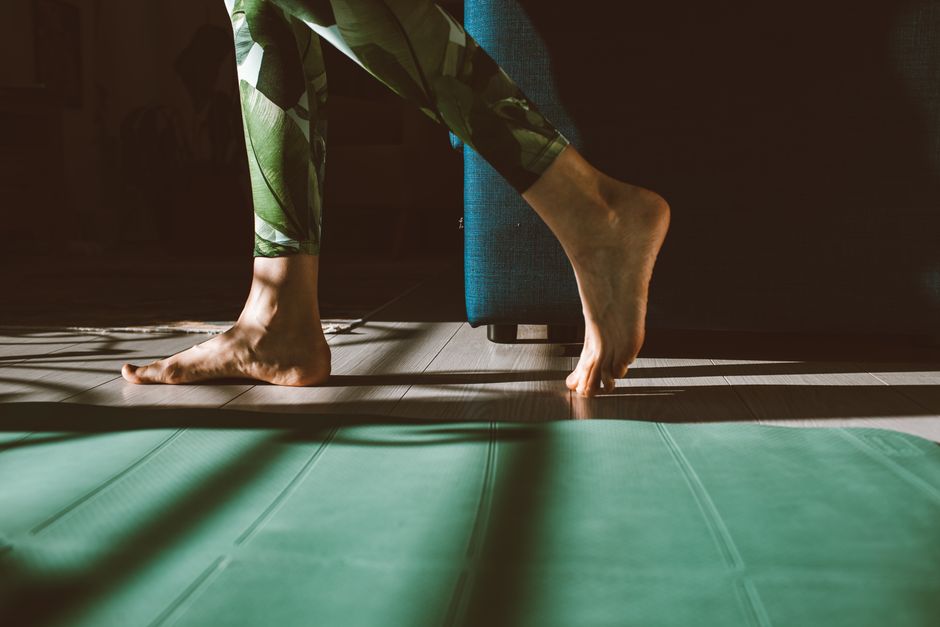
Leg soreness after exercise, a long day on your feet, or an intense workout is common. The discomfort usually peaks 24 to 72 hours after activity and fades on its own. While you cannot speed up muscle repair overnight, you can reduce how much it hurts and help your legs feel better faster. The most effective approach combines gentle movement, targeted nutrition, and smart recovery habits. Rest alone is not the answer, and neither is pushing through the pain. Here is what actually works, what does not, and why.
What Causes Sore Legs After Exercise?
Soreness that appears a day or two after activity is called delayed onset muscle soreness, or DOMS. It happens after exercise your muscles are not used to, especially movements that lengthen the muscle under load, like downhill running or lowering a heavy weight slowly.
The soreness comes from microscopic damage to muscle fibers and the inflammation that follows. This is a normal part of the muscle-building process. The muscle repairs itself, gets stronger, and adapts so the same workout causes less soreness next time.
Not all leg pain is DOMS. A sudden, sharp pain during activity, severe swelling, or pain that lasts more than a week may signal an injury. If you cannot bear weight on the leg or the pain is one-sided and intense, see a clinician rather than assuming it is simple soreness.
How To Get Rid Of Sore Legs And Recover Faster
Gentle movement is the single most effective way to reduce soreness. Walking, cycling at low intensity, or swimming for 10 to 20 minutes increases blood flow to the legs without adding more muscle damage. This is often called active recovery, and research consistently shows it reduces perceived soreness better than complete rest.
Light stretching can feel good but does not reduce muscle damage or speed repair. Stretch for comfort, not as a treatment. Foam rolling has better evidence. A 2015 review of studies found foam rolling reduced soreness and improved performance recovery in the days after exercise. Roll slowly over the sore muscle groups for 30 to 60 seconds per area.
Heat and cold both have roles. Ice packs in the first 24 hours can numb pain and limit excessive swelling. Heat, such as a warm bath or heating pad, relaxes tight muscles and increases circulation. Neither method repairs muscle faster, but both can make you more comfortable while recovery happens.
Do Compression Sleeves And Elevation Help?
Compression garments have solid evidence behind them. Wearing compression socks or sleeves during and after exercise reduces soreness and perceived fatigue. A 2014 analysis of 12 studies concluded compression garments reduced DOMS severity and helped people feel recovered sooner.
Elevation is more relevant for swelling than typical muscle soreness. If your legs feel puffy after a long flight or a day of standing, propping them above heart level for 15 to 20 minutes helps fluid drain. For ordinary post-workout soreness without swelling, elevation offers little benefit.
Massage is one of the better-supported recovery tools. A 2012 study in the Journal of Athletic Training found that massage performed two hours after exercise reduced soreness and improved muscle function compared to no treatment. The effect was modest but real. If you have access to a professional massage or a home massager, it is a reasonable investment for recovery.
What To Eat And Drink For Faster Recovery
Protein matters after exercise because it supplies the amino acids your muscles need for repair. Eating 20 to 40 grams of protein within a few hours after a hard workout supports muscle rebuilding. Good sources include chicken, fish, eggs, Greek yogurt, or a protein shake.
Carbohydrates are equally important. Glycogen, the stored form of carbohydrate in muscles, gets depleted during exercise. Replenishing it helps your legs feel less heavy. A meal with both protein and carbs, like a turkey sandwich or rice with chicken, covers both needs.
Hydration is often overlooked. Even mild dehydration slows recovery and increases perceived soreness. Drink water throughout the day, especially after sweating. Urine that is pale yellow usually means you are well hydrated.
Anti-inflammatory supplements like tart cherry juice have some research support. A 2010 study in the Journal of the International Society of Sports Nutrition found tart cherry juice reduced strength loss and soreness after intense exercise. The effect is modest, and no supplement replaces the basics of food, water, and sleep.
Sleep Is The Most Underrated Recovery Tool
Muscle repair happens mostly during sleep. Growth hormone, which drives tissue repair, is released in higher amounts during deep sleep. Skipping sleep while trying to recover from sore legs is working against your body.
Most adults need 7 to 9 hours per night. The night after a hard workout is especially important. If you have trouble sleeping after evening exercise, try finishing workouts earlier or using a cool-down routine to lower your heart rate before bed.
No supplement, drink, or device compensates for poor sleep. It is the foundation that all other recovery strategies build on.
When Sore Legs Are Not Just Soreness
Most leg soreness resolves within 72 hours. If pain lasts longer than a week, gets worse instead of better, or is accompanied by swelling, redness, or warmth, it may be more than DOMS.
One-sided calf pain, especially after a long flight or period of inactivity, can be a blood clot. This is a medical emergency. Seek care immediately if you have sudden calf swelling with pain, especially if you have risk factors like recent surgery, cancer, or a family history of clots.
Severe soreness after a new workout that makes it hard to move your joints, along with dark urine, can indicate rhabdomyolysis, a condition where muscle breaks down rapidly and can damage kidneys. This is rare but serious. If you cannot bend your legs or your urine looks like cola, get medical help right away.
What Does Not Work For Sore Legs
Taking anti-inflammatory drugs like ibuprofen before or right after exercise is common but not helpful for recovery. A 2017 review in the Journal of Applied Physiology found NSAIDs do not reduce DOMS and may actually interfere with muscle adaptation. Save them for pain that interferes with daily function.
Ice baths have mixed evidence. Some studies show reduced soreness, others show no benefit, and cold water immersion may blunt the muscle-building response to training. If you enjoy them and they help you feel better, they are not harmful. But they are not a proven recovery accelerator.
Electrical stimulation devices marketed for recovery have little evidence behind them. Some studies show modest pain reduction, but the effect is small and inconsistent. The same applies to most recovery gadgets sold online. If a device sounds too good to be true, it probably is.
How To Prevent Sore Legs In The First Place
The best prevention is gradual progression. Increase workout intensity or duration by no more than 10 percent per week. This gives muscles time to adapt without overwhelming them.
Warming up before exercise reduces strain on cold muscles. A 5 to 10 minute warm-up that raises your heart rate and moves your legs through their full range of motion is enough. Cooling down with light movement afterward helps transition your body back to rest.
Stay consistent with training. The people who get sore most often are those who exercise sporadically. Regular training, even at low intensity, builds a tolerance that reduces future soreness.
Frequently Asked Questions
How long does leg soreness usually last?
Most soreness peaks between 24 and 72 hours after exercise and fades within 5 to 7 days. If pain lasts longer than a week or worsens, it may be an injury rather than normal soreness.
Should I stretch sore legs?
Light stretching can feel comfortable but does not speed up muscle repair. Gentle movement like walking or cycling is more effective for reducing soreness than stretching alone.
Is it safe to exercise with sore legs?
Yes, as long as the soreness is from DOMS and not an injury. Low-intensity exercise that does not strain the sore muscles can actually reduce discomfort by increasing blood flow.
Do ice baths help sore legs recover faster?
The evidence is mixed. Ice baths can reduce pain but may interfere with muscle adaptation to training. They are optional for comfort, not a proven recovery method.
