
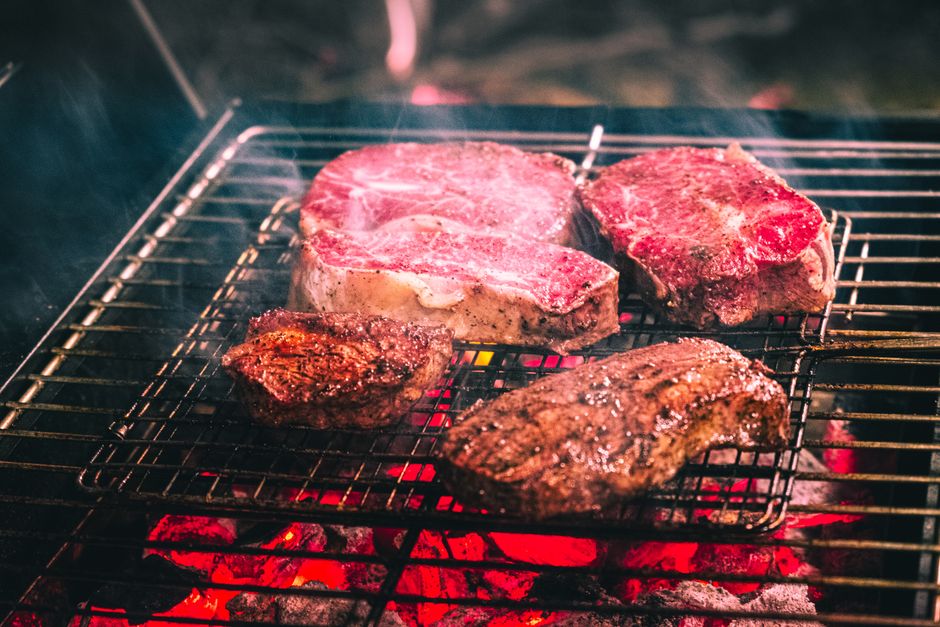
If you are looking for the single most protein-dense meat per ounce, lean cuts of bison and venison top the list, delivering roughly 26 to 28 grams of protein per 100-gram serving. Chicken breast and turkey breast follow closely, providing about 31 grams per 100 grams when cooked without skin. Pork tenderloin and lean beef round out the top tier, offering between 22 and 29 grams per 100 grams depending on the specific cut and cooking method.
What Is The Most Protein Dense Meat Ranked?
When ranked by protein per 100 grams of cooked meat, the order is clear. Chicken breast and turkey breast lead with approximately 31 grams of protein per 100 grams. Bison and venison follow at roughly 28 grams. Lean beef cuts like sirloin and round steak provide about 26 to 27 grams. Pork tenderloin supplies around 22 to 25 grams depending on preparation.
The differences between the top contenders are small. Choosing between chicken breast and bison will not dramatically change your daily protein intake. What matters more is the cut, the cooking method, and whether you eat the skin or visible fat.
Protein density also depends on whether you measure raw or cooked meat. Cooking removes water, so cooked meat always has more protein per gram than raw meat. The numbers above reflect cooked meat, which is how most people actually eat it.
Why Protein Density Matters More Than Total Protein
Protein density means the amount of protein relative to calories and fat. A food can be high in protein but also high in saturated fat, which changes its nutritional profile. For example, a ribeye steak has plenty of protein, but it also has more fat than a sirloin steak. If you are tracking protein while managing calories, leaner cuts give you more protein per calorie.
This distinction matters for athletes, older adults, and anyone trying to preserve muscle while losing weight. Higher protein density allows you to meet protein targets without exceeding calorie goals. It also helps with satiety, meaning you feel full longer after eating.
Some research suggests that spreading protein intake across meals supports muscle maintenance better than eating most protein in one sitting. The type of meat you choose matters less than consistent daily intake.
The Top Protein-Dense Meats Compared
Here is how the leading meats compare per 100 grams of cooked meat. These values are approximate and vary by cut and preparation.
| Meat | Protein (grams per 100g cooked) | Fat (grams per 100g cooked) |
|---|---|---|
| Chicken breast (skinless) | 31 | 3.6 |
| Turkey breast (skinless) | 30 | 1.5 |
| Bison (lean) | 28 | 2.4 |
| Venison (lean) | 28 | 2.0 |
| Beef sirloin | 27 | 7.0 |
| Beef round steak | 26 | 5.0 |
| Pork tenderloin | 22 | 3.0 |
Chicken breast and turkey breast are the clear winners for protein density with the least fat. Bison and venison are excellent alternatives if you prefer red meat but want less fat than typical beef.
Game meats like venison and bison are naturally lean because the animals are more active than feedlot cattle. Their protein content is comparable to chicken, but they offer a different flavor and nutrient profile, including more iron and B vitamins.





How Cooking Methods Change Protein Content
How you cook meat affects its final protein density. Grilling, roasting, and baking remove moisture, which concentrates protein. Boiling or braising can add water back, slightly lowering protein per gram. Frying adds fat, which lowers protein density by increasing total weight without adding protein.
For example, a skinless chicken breast baked in the oven will have a higher protein percentage than the same breast simmered in a stew. The protein itself does not change, but the water content does. This is why nutrition labels on raw meat differ from cooked values.
Marinades and sauces also change the math. A sweet barbecue sauce adds sugar and calories, reducing protein density per calorie. If protein density is your priority, keep seasonings simple and avoid heavy sauces.
Protein Quality and Amino Acid Profile
All animal meats are complete proteins, meaning they contain all nine essential amino acids your body cannot make on its own. This is not true for most plant proteins, which are typically low in one or more essential amino acids.
The amino acid profile of meat is one reason it is so effective for muscle building and repair. Leucine, in particular, is the amino acid that most directly triggers muscle protein synthesis. Meat is rich in leucine, which is why even modest portions of meat can effectively stimulate muscle building.
There is no meaningful difference in protein quality between chicken, beef, pork, or game meats. The differences are in fat content, micronutrients, and cost, not in how well the protein supports your body.
Are There Downsides to High-Protein Meats?
Eating large amounts of red meat, especially processed red meat, has been linked in some studies to higher risks of certain cancers and heart disease. The evidence is strongest for processed meats like bacon and sausage. Fresh, lean red meat in moderate amounts is generally considered acceptable in a balanced diet.
If you eat meat daily, rotating between poultry, fish, and lean cuts of red meat is a sensible approach. This gives you a range of nutrients while limiting any single food’s potential risks.
For most healthy adults, protein intake between 1.2 and 2.0 grams per kilogram of body weight per day is a common target for active individuals. This is not a recommendation, just a range often cited in sports nutrition literature. Individual needs vary based on activity level, age, and health status.
People with kidney disease should be cautious about high protein intakes. If you have a diagnosed kidney condition, talk to your doctor before significantly increasing protein consumption.
Practical Tips for Choosing High-Protein Meat
- Choose skinless poultry breast for the highest protein-to-fat ratio.
- Look for cuts labeled “loin” or “round,” which are typically leaner.
- Trim visible fat before cooking.
- Grill, bake, or roast instead of frying.
- Use a food scale to track portions accurately if you are counting protein.
- Consider canned tuna or salmon as convenient high-protein options, though these are fish, not meat.
Budget also matters. Chicken breast is usually the most affordable high-protein meat. Bison and venison are often more expensive and less available in regular grocery stores. Pork tenderloin is frequently a budget-friendly alternative with decent protein density.
Frozen meat is nutritionally comparable to fresh meat. If you buy in bulk, freezing does not degrade protein content. This can be a cost-effective way to maintain a high-protein diet.
Frequently Asked Questions
What meat has the most protein per 100 grams?
Skinless chicken breast has the most protein at about 31 grams per 100 grams of cooked meat. Turkey breast is nearly identical at around 30 grams.
Is chicken or beef more protein dense?
Chicken breast is more protein dense than most cuts of beef. A skinless chicken breast has about 31 grams of protein per 100 grams, while lean beef sirloin has about 27 grams.
Does cooking meat change its protein content?
Cooking does not change the protein itself, but it removes water, making the protein more concentrated by weight. Cooked meat always has more protein per gram than raw meat.
Is dark meat chicken less protein dense than white meat?
Yes, dark meat chicken has slightly less protein and more fat than white meat. A 100-gram serving of cooked dark meat has about 26 grams of protein compared to about 31 grams in white meat.
