

Bloating is that uncomfortable feeling of tightness, fullness, or pressure in your belly. It happens when gas, fluid, or stool builds up in your digestive tract, or when the muscles and nerves that control digestion stop working in their usual rhythm. Most bloating is not dangerous, but it can be persistent and frustrating, and the reasons behind it are more varied than most people realize.
What Actually Happens Inside Your Gut When You Bloat?
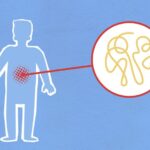
Bloating comes down to one of a few physical events: gas trapped in the intestines, slowed movement of contents through the gut, or increased sensitivity of the gut wall to normal amounts of gas and stretch.
Everyone produces gas. Bacteria in the colon ferment undigested carbohydrates and release hydrogen, methane, and other gases. Some of that is absorbed and exhaled. The rest passes out. When production outpaces clearance, pressure builds and the abdomen distends.
The second mechanism is motility. The muscles of the small and large intestine move contents along in coordinated waves. When that movement slows — from medication, nerve signaling problems, or other causes — gas and stool linger, and the belly feels full and tight.
The third mechanism is visceral sensitivity. In some people, the gut nerves fire more readily in response to normal stretch. The amount of gas may be completely normal, but the brain perceives it as painful or intense. This is a real, measurable difference in nerve signaling, not a psychological issue.
These three mechanisms often overlap. A person can have normal gas production, slightly slow transit, and heightened sensitivity all at once.
What Foods and Habits Make Your Stomach Bloat Most Often?
Diet is the most common everyday trigger, but the specific culprits vary widely between people.
Fermentable carbohydrates — often called FODMAPs — are a well-documented source of gas. These are short-chain sugars and fibers that gut bacteria ferment quickly. They include:
- Lactose in milk and soft cheeses
- Fructose in honey, apples, and many fruit juices
- Sorbitol and mannitol in sugar-free gum and some stone fruits
- Fructans in wheat, onions, and garlic
- Galactans in beans and some legumes
Not everyone reacts to these. Lactose intolerance, for example, is far more common in people of East Asian, African, and Indigenous American descent than in people of Northern European descent. The reaction depends on how much of the specific enzyme or absorptive capacity a person has.
Eating habits matter too. Eating quickly, drinking through straws, chewing gum, and carbonated drinks all increase the amount of air swallowed. That air has to go somewhere.
Constipation is another major contributor. When stool backs up in the colon, it slows everything behind it. Gas accumulates. The abdomen distends. For many people, treating the constipation resolves the bloating.
When Is Bloating a Sign of Something More Serious?
Most bloating is benign and temporary. But certain patterns warrant medical evaluation.
See a doctor if bloating is new and persistent, especially after age 50. Also seek care if it comes with:
- Unintentional weight loss
- Blood in the stool or black, tarry stools
- Fever or night sweats
- Vomiting that does not resolve
- Severe or worsening abdominal pain
- Swelling that does not come and go
- Difficulty swallowing
These signs can point to conditions such as bowel obstruction, inflammatory bowel disease, ovarian cancer, or other serious problems. Ovarian cancer in particular can present with persistent bloating and a feeling of fullness, which is why new, unexplained, persistent bloating in women over 50 is taken seriously by clinicians.
Conditions commonly associated with chronic bloating include irritable bowel syndrome, small intestinal bacterial overgrowth, celiac disease, lactose intolerance, and gastroparesis. Each has its own diagnostic path. Bloating alone does not confirm any of them.




How Do Doctors Figure Out What’s Causing Your Bloating?
There is no single test for bloating. Diagnosis starts with a detailed history: when it started, what makes it better or worse, what else is happening — bowel habits, diet, medications, weight changes.
From there, testing depends on what the history suggests. Common options include:
- Blood tests for celiac disease, thyroid function, and anemia
- Breath tests for lactose intolerance or bacterial overgrowth
- Stool tests for infection, inflammation, or malabsorption
- Imaging such as abdominal ultrasound or CT scan if structural causes are suspected
- Endoscopy or colonoscopy in selected cases
A hydrogen breath test is commonly used to assess lactose intolerance and small intestinal bacterial overgrowth. The evidence base for the SIBO breath test in particular is debated — some clinicians question its reliability, and results are interpreted alongside symptoms rather than in isolation.
For many people with typical IBS-type bloating and no warning signs, extensive testing is not necessary. A clinician may instead recommend a trial of dietary changes or symptom tracking.
What Helps Reduce Bloating — and What Doesn’t?
Treatment depends entirely on the cause. There is no single remedy that works for everyone.
For dietary triggers, identifying and reducing specific fermentable carbohydrates can help. A low-FODMAP diet, developed by researchers at Monash University, has the strongest evidence base for IBS-related bloating. It is a structured elimination and reintroduction protocol, ideally done with a dietitian. Staying on the strict phase long-term is not recommended because it can reduce beneficial gut bacteria and nutrient intake.
For constipation-related bloating, addressing the constipation is the priority. That may mean more fiber, more fluid, or medications recommended by a clinician. Fiber is not universally helpful — for some people with IBS, adding fiber makes bloating worse.
For slow motility, a clinician may recommend specific medications. These are prescription treatments with their own risk profiles.
What does not have strong evidence:
- Activated charcoal for everyday bloating — studies are limited and results are mixed
- Probiotics for bloating — evidence is inconsistent across strains and conditions
- Digestive enzyme supplements marketed for general bloating — most lack rigorous trial data
- Detox teas and cleanses — no clinical evidence supports these for bloating
Peppermint oil has some evidence for IBS-related abdominal pain and bloating. It is one of the few over-the-counter options with a reasonable research base, though it does not work for everyone and can cause heartburn.
Physical activity helps. Walking after meals supports normal gut motility. So does eating slowly, chewing thoroughly, and avoiding carbonated drinks if they trigger symptoms.
Why Does Bloating Feel Different From Day to Day?
Bloating is not a steady state. It fluctuates with what you eat, how much you sleep, your stress level, and where you are in your menstrual cycle.
Stress affects the gut through the brain-gut axis. The enteric nervous system — sometimes called the second brain — shares signaling pathways with the central nervous system. Psychological stress can change gut motility and increase visceral sensitivity. This is not “in your head.” It reflects real, measurable changes in nerve signaling and hormone release.
Hormonal shifts also matter. Many women report more bloating in the days before their period. The exact mechanism is not fully established, but changes in progesterone and fluid balance are thought to play a role.
Sleep deprivation and disrupted circadian rhythms can affect digestion too. The gut has its own daily rhythm, and shift work or irregular sleep can disrupt it.
Tracking symptoms over two to four weeks — what you ate, when you ate, stress levels, bowel habits — often reveals patterns that are not obvious day to day. This kind of record is also useful when you see a clinician.
Does Bloating Mean Something Is Wrong With Your Gut Bacteria?
Not necessarily. The gut microbiome is involved in gas production, but “imbalance” is a vague concept that is often oversold.
What is established: gut bacteria ferment carbohydrates and produce gas. Different people have different bacterial populations, and these populations influence how much gas is produced from a given food. What is not established: that a specific “bad” bacterial profile causes bloating in most people, or that commercial microbiome tests can reliably diagnose the cause of bloating.
Probiotic supplements are widely marketed for bloating. The evidence is inconsistent. Some strains show benefit in some IBS studies; others show none. Effects tend to be modest and strain-specific. No probiotic is approved to treat bloating as a medical condition.
What does support gut health in general: a varied diet with fiber from multiple plant sources, adequate sleep, regular physical activity, and avoiding unnecessary antibiotics. These are general health measures, not targeted bloating treatments.
Frequently Asked Questions
Why does my stomach bloat even when I eat healthy?
Healthy foods like beans, broccoli, apples, and whole grains contain fermentable carbohydrates that gut bacteria break down into gas. Bloating can also come from eating quickly, constipation, or heightened gut sensitivity rather than from the food itself.
How long does normal bloating usually last?
Typical bloating from a meal or gas resolves within hours to a day. Bloating that lasts more than a few days, keeps returning, or comes with weight loss, blood in the stool, or severe pain should be evaluated by a doctor.
Can stress really cause bloating?
Yes. The brain and gut share direct nerve and hormone signaling pathways, and stress can slow digestion and increase how intensely the gut responds to normal gas. This is a measurable physiological effect, not a psychological one.
Are probiotics worth trying for bloating?
The evidence is mixed and depends on the specific strain and the underlying cause. Some studies show modest benefit for IBS-related bloating, but no probiotic is approved as a treatment for bloating.
